If you’re in the business of moving, storing, and sorting goods via automated warehouse gear, you already know the whole “set it and forget it” vibe is a myth. Those fancy AMRs (autonomous mobile robots), robotic pickers, conveyor systems, and palletizers don’t just work—they need to play by a set of rules to keep your team safe, your operations running, and you out of hot water with regulators. As a warehouse automation equipment supplier who’s spent years installing and troubleshooting these systems for small to mid-sized warehouses and massive DCs, I’ve seen way too many projects stall, budgets blow, and teams side-line injured because compliance got treated like an afterthought, not a non-negotiable step. Warehouse Automation Equipment
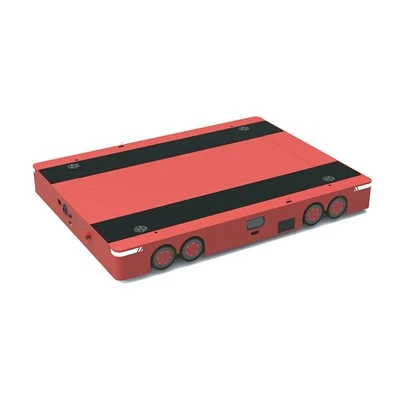
Let’s cut through the jargon first. Compliance here isn’t just OSHA red tape or ISO buzzwords—it’s the practical guardrails that keep your automated gear from turning into a workplace hazard. For anyone who’s ever had an AMR zoom past a coworker’s boot by an inch, or a conveyor jam that sent a forklift operator scrambling, you know this stuff isn’t trivial. Most new clients hit me up asking, “How do I make sure this meets the rules?” and my answer is never a one-and-done checklist. It’s a end-to-end process that starts before the first robot hits the floor.
First, let’s talk about the big ones you can’t sleep on: OSHA in the U.S., ISO 3691 for industrial trucks (which now covers AMRs, fyi), and ANSI/RIA R15.06 for industrial robots. These aren’t arbitrary standards—they’re built from years of accidents and near-misses. For example, ANSI/RIA R15.06 isn’t just about robot arm sharpness; it’s about safe speed limits around human workers, emergency stop (E-stop) placement that’s accessible even when a robot’s in mid-move, and collision detection that actually works in cluttered warehouse spaces. I once had a client skip a full safety audit for their new collaborative robot (cobot) picker because the sales rep said it “worked fine in tests.” That system lasted 3 days before a part-time picker got a bruise when the cobot didn’t slow down quick enough. The cost? $12k in downtime, workers’ comp, and rework—way more than the cost of a third-party pre-install audit.
Then there’s AMR-specific stuff, which is a whole separate rabbit hole a lot of suppliers and warehouse operators miss. AMRs don’t have fixed paths like old conveyors, so their compliance has to account for dynamic warehouse environments. ISO 3691-4, the standard for autonomous industrial trucks, requires things like perimeter awareness that adjusts for sudden obstacles (a pallet of boxes left in a walkway, a worker texting while walking) rather than just pre-mapped obstacles. I’ve seen cheap, no-name AMR suppliers cut corners here—their collision sensors only pick up large, stationary objects, not small, moving things like a loose cable or a kid’s water bottle left on the floor. That’s a compliance gap waiting to bite. We build our AMRs with 360-degree LiDAR plus camera-based perception, which meets ISO 3691-4, but we also add a layer of customizable “soft zones” for high-traffic picking areas so the bots slow down instead of just slamming on brakes—something the standards don’t mandate, but makes day-to-day operations way more compliant and functional.
Another huge (and often overlooked) area is electrical and fire safety. Automated warehouses run on a lot of power—conveyor motors, robot batteries, charging stations—so compliance with NEC (National Electrical Code) in the U.S. or IEC 60364 globally is non-negotiable. I can’t tell you how many clients come to us with janky, ad-hoc charging stations they wired themselves, because they thought “it’s just a small charger.” Wrong. NEC Article 700 covers critical power systems for commercial facilities, and charging stations for automated gear that’s used 24/7 fall right into that category. We pre-certify all our electrical components, including charging stations, to meet NEC and IEC standards, and we include full installation guides to make sure our clients don’t mess it up mid-setup. Last year, a client tried installing our conveyor system with their in-house electrician, who cut corners on ground fault protection. We caught it during our on-site inspection, avoided a potential electrical fire, and reworked the setup for free—way better than dealing with OSHA fines (which can hit $15k per serious violation) or a warehouse fire that shut operations down for weeks.
Then there’s cybersecurity compliance, which is a relatively new but make-or-break piece of the puzzle. These days, every automated system is connected to your WMS (warehouse management system), cloud dashboards, and even your team’s phones. ISO/IEC 27001 is the go-to standard for info security, and in 2023, OSHA started updating its guidelines to cover cyber risks to workplace automation, too. I saw a horror story from a mid-sized e-commerce warehouse last year where a hacker accessed their AMR system via an outdated WMS login, locked all the bots in the charging bays, and shut down operations for 2 days. The compliance angle here? That client didn’t have a plan to secure their connected automation gear, which would’ve been a violation under new OSHA guidance if anyone’d audited them. We build all our automation systems with end-to-end encryption, regular automatic firmware updates, and role-based access controls so only your warehouse manager can adjust system settings, not random warehouse staff. And we include a full cybersecurity playbook tailored to your setup, because compliance isn’t just about hardware—it’s about how you use it, too.
Here’s the thing: most people think compliance is a box to check before a system goes live. But it’s actually an ongoing process. Once your automated gear is running, you have to do regular audits, update training for your team, and adjust systems as your warehouse changes. For example, if you reconfigure your layout, add new shelving, or even hire a new group of part-time workers, your automation has to adapt to that— and stay compliant. A lot of suppliers will install a system, hand you the manual, and dip, but that’s not how long-term compliance works. We offer annual compliance check-ins, where our team comes on-site to test your systems against current standards, update training materials for your staff, and tweak settings to fit any new changes to your warehouse. We recently did a check-in for a client who expanded their picking area and moved their AMR paths—they’d tried to adjust the paths themselves and accidentally disabled a speed limiter, which would’ve been a compliance fail. We fixed it in an hour, no downtime, no extra cost beyond their service plan.
I get it—when you’re a warehouse owner or operations manager, you’re focused on hitting order fulfillment targets, keeping labor costs low, and getting products out on time. Compliance can feel like an extra, tedious hassle that adds to the cost. But here’s the reality: non-compliance costs way more than doing it right the first time. Fines, downtime, workers’ comp claims, reputational damage—none of that fits into your quarterly budget. The good news is that it doesn’t have to be complicated or expensive if you work with a supplier who prioritizes compliance as much as you prioritize your operations. We build every piece of our automation gear to meet all the major global standards, we include full installation and training that’s tied to compliance requirements, and we stick around after the install to make sure you stay compliant long after the first week.
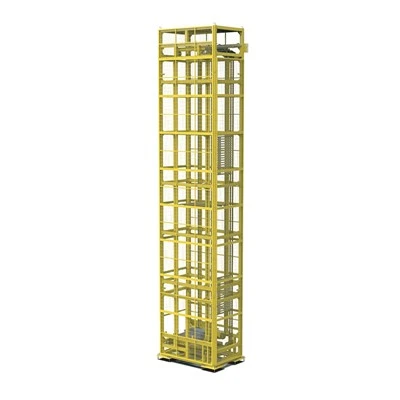
If you’re in the market for warehouse automation equipment, or you have a current system that’s feeling like a compliance risk, hit us up to talk through your needs. We don’t do one-size-fits-all solutions, and we’ll walk you through exactly how we keep your team safe, your operations running, and you on the right side of all the rules. No jargon, no fine print—just practical solutions that work for your warehouse.
Material Handling Equipment References:
OSHA. (2024). Industrial Robotics and Automation Safety. U.S. Department of Labor.
ISO 3691-4:2020. Industrial trucks – Safety and verification – Part 4: Autonomous industrial trucks. International Organization for Standardization.
ANSI/RIA R15.06-2022. Industrial Robots and Robot Systems – Safety Requirements. Robotic Industries Association.
National Electrical Code (NEC) Article 700: 2023 Edition. National Fire Protection Association.
ISO/IEC 27001:2022. Information security, cybersecurity and privacy protection — Information security management systems — Requirements. International Organization for Standardization.
Anhui Rayo Automation Technology Co., Ltd.
With abundant experience, we are one of the most professional warehouse automation equipment manufacturers and suppliers in China. Please feel free to wholesale advanced warehouse automation equipment in stock here and get quotation from our factory. All customized products are with high quality and competitive price.
Address: No.28 Yongzhen Road, Wuhu Area, China (Anhui) Pilot Free Trade Zone
E-mail: ahry@ahrayo.com
WebSite: https://www.rayosmart.com/
