If you’ve ever worked in plastic recycling or manufacturing, you know that plastic cleaning is way more than just hosing down dirty bottles. It’s a whole process—sorting, shredding, washing, drying, and sometimes separating contaminants—and every step eats up energy. As a plastic cleaning equipment supplier, I get asked this question all the time: “How much electricity does your machine actually use?” The short answer? It’s not one size fits all. A lot of factors shift energy consumption—like what kind of plastic you’re cleaning, how dirty it is, and how fast you want it to run. Let me break this down without the boring jargon, since I know no one wants a textbook when they’re trying to crunch costs. Plastic Cleaning Equipment

First, let’s talk about the core equipment because that’s where most of the energy goes. The shredder, for example, isn’t just a fancy blender. It’s cutting thick plastic scraps or whole jugs into small, uniform pieces, so it needs high-torque motors. A standard industrial shredder for plastic usually runs on a 15 to 75 horsepower (HP) motor. If you’re processing soft plastics like PET bottles, you’ll be on the lower end—maybe 15 to 30 HP—but if you’re tackling hard, thick plastic like HDPE drums, that jumps to 50 to 75 HP. Over an hour, that’s 11 to 56 kilowatts (kW) per hour, right? Keep in mind, if you run the shredder at max capacity all day, that’s 264 to 1,344 kW a day just for shredding. I’ve had clients come to me shocked when they first see that number, but that’s just the start.
Next up is the washing and rinsing stage—this is where a lot of people don’t expect energy to add up. After shredding, plastic bits go through a hot wash tank first, usually with water heated to 60 to 80°C to dissolve labels, grease, or food residue. The heater for that tank is a big energy hog. Most commercial wash tanks use electric or gas heating, but electric is more common for consistent temperature control. A 1,000-gallon wash tank might need a 10 to 20 kW heating element to get up to temperature in an hour, and then you’re keeping it there 24/7 if you’re running a full shift. Then there’s the mechanical washers—agitators or centrifugal washers that spin the plastic to scrub off dirt. These usually run on 5 to 20 HP motors, so 4 to 15 kW an hour. Add that up with the heater, and washing alone can be 14 to 35 kW per hour. If you’re running multiple lines, that number doubles easy.
Drying is another stage that’s often overlooked, but it’s crucial for getting clean plastic that’s ready for reselling or remelting. Wet plastic is useless for most manufacturers, so you need to remove as much water as possible, usually with a centrifugal dryer or a hot air dryer. Centrifugal dryers work by spinning the plastic at high speed to fling off water—they’re more energy-efficient for small batches, using around 5 to 15 HP (4 to 11 kW) per hour. Hot air dryers, though, blow heated air through the plastic to get it completely dry, which uses way more energy. A large hot air dryer for high-volume production might use 20 to 50 kW an hour, plus it uses a lot of air flow. I always tell my clients: if you don’t need bone-dry plastic, go with centrifugal dryers to cut energy costs. That’s a small tweak that saves a ton on utility bills.
Then there are the supporting systems that you might not think about, but they add up fast. Conveyors that move plastic between stages—these are low energy, like 1 to 5 HP, so 0.7 to 3.7 kW an hour, but if you have a whole line of them, that adds up. Sorting equipment, too—if you’re using manual sorting, that’s just labor, but if you’re using optical sorters to separate different plastics (like PET from HDPE), those run on 5 to 10 kW an hour. And don’t forget pumps—water pumps for the wash and rinse cycles, which are usually 2 to 10 HP, so 1.5 to 7.5 kW an hour. All that small stuff adds up.
Wait, but let’s get real with actual numbers for common setups. I’ve worked with small recycling shops that process 1,000 pounds of PET bottles a day. Their total energy use for the whole line? Around 350 to 450 kW a day. That’s about 15 to 20 kW per hour. For a mid-sized shop processing 5,000 pounds a day, that jumps to 1,200 to 1,500 kW a day, or 50 to 62 kW per hour. For large-scale operations that process 20,000 pounds a day, you’re looking at 4,500 to 6,000 kW a day, which is 187 to 250 kW per hour. Those numbers might sound high, but when you compare them to what you save by selling cleaned plastic instead of contaminated scrap, it makes sense. Clean PET can sell for 2 to 3 cents per pound more than dirty, so even 1,000 pounds a day is $20 to $30 extra, which easily covers the energy bill.
Now, there’s a big myth out there: people think all plastic cleaning equipment uses the same energy, but that’s not true. The type of plastic changes everything. Soft plastics like LDPE or film are easier to shred, but they take longer to wash because they’re thin and hold more dirt. Hard plastics like polypropylene are more energy-heavy to shred because they’re denser. Contamination level matters too—if you’re cleaning plastic that’s covered in food grease or heavy dirt, you’ll need hotter water and longer wash times, which uses more energy. And production volume: running a machine at 80% capacity is way more efficient than running it at 20%, because the energy cost per pound of plastic drops. I always tell clients to size their equipment for their current volume, not what they hope to do in a year—oversized machines waste a ton of energy on low runs.
Also, newer tech has cut energy use a lot over the last 10 years. A lot of manufacturers, including the ones I work with, have made machines with variable frequency drives (VFDs) that adjust motor speed based on how much plastic is going through, instead of running full tilt all the time. That can cut energy use by 15 to 30% right there. Heat recovery systems are another big one—they take the waste heat from the dryer or the shredder motor and use it to warm the wash tank, so you don’t have to heat the water from scratch. I had a client who switched to a heat recovery system on their line and saved $12,000 a year on electricity. That’s not chump change for a small business.
Wait, but what about common mistakes that drive energy use up? I see this all the time: people skip regular maintenance. If a shredder blade is dull, it has to work way harder to cut plastic, using 20% more energy to process the same amount. Clogged wash tanks or worn out belts on dryers also make machines run less efficiently. Another mistake: using too much water in the wash cycle. A lot of people just keep hosing plastic nonstop, but most modern machines recycle 90% of their water, so using less water doesn’t hurt cleaning and cuts energy for heating and pumping. I always give clients a free maintenance checklist when they buy equipment, because taking 10 minutes a day to check blades and clean tanks saves way more energy than fixing a broken machine later.
Now, let’s address the elephant in the room: is plastic cleaning equipment energy-intensive compared to other industrial processes? Yeah, it is, but it’s necessary. The alternative is plastic ending up in landfills or oceans, which has way bigger environmental costs. And if you compare it to, say, making new plastic from crude oil, cleaning recycled plastic uses 70% less energy. So even with the energy for cleaning, it’s still way better for the planet than virgin plastic. I know that’s a big selling point for most of my clients, who care about both their bottom line and their green credentials.
Wait, let’s make this relatable. If you’re a shop owner, your energy cost per pound of cleaned plastic is usually between 0.5 and 2 cents. For 1,000 pounds a day, that’s $5 to $20 a day, which is way less than the extra money you make from selling clean plastic. I’ve had clients tell me they were worried about energy costs at first, but after a month, they realized it’s one of the smallest expenses in the whole process. The biggest costs are labor and the equipment itself, not electricity.
But let’s not sugarcoat it—if you’re running a small, homebrew setup with cheap, old machines, energy use can be way higher. I’ve seen people use a regular garden hose and a old washing machine to clean plastic, and that uses way more water and electricity than a purpose-built plastic cleaning machine. Those cheap machines might seem like a good deal upfront, but they waste energy, don’t clean as well, and break all the time. That’s why investing in properly engineered equipment pays off in the long run.
So, if you’re in the market for plastic cleaning equipment, don’t just look at the upfront cost. Ask about energy efficiency, ask about VFDs and heat recovery, and get a clear estimate of energy use per pound of plastic. As someone who’s been in this game for years, I can tell you that a $10,000 extra investment in an energy-efficient machine will save you $30,000 to $50,000 over the course of 5 years in utility bills. That’s a no-brainer.
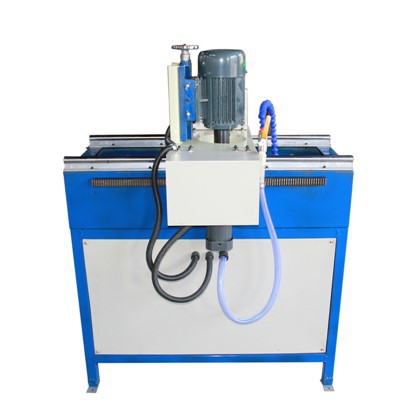
At the end of the day, energy consumption for plastic cleaning equipment isn’t a fixed number. It depends on your setup, your plastic type, your volume, and how well you maintain your machines. But with the right equipment and a few small tweaks, you can keep energy costs low while still getting high-quality cleaned plastic. If you’re ready to upgrade your line or get a custom estimate for your operation, reach out—we can walk you through exactly what your energy needs will be and how to cut costs without sacrificing performance.
Plastic Crushing Equipment References
- Institute of Scrap Recycling Industries (ISRI). (2022). Energy Efficiency Guidelines for Plastic Recycling Operations.
- European Plastic Converters Association (EUPC). (2021). Comparative Energy Use in Plastic Processing and Recycling.
- U.S. Environmental Protection Agency (EPA). (2020). Recycling 101: Energy Savings from Recycled Plastics.
- Sharma, R., & Gupta, A. (2020). Energy Analysis of Industrial Plastic Washing and Drying Systems. Journal of Sustainable Manufacturing.
- Global Recycling Statistics Alliance. (2023). Energy Consumption Trends in Mid-Scale Plastic Recycling Facilities.
Laizhou Yuening Machinery Co., Ltd.
As one of the most reliable plastic cleaning equipment manufacturers in China, we warmly welcome you to buy cheap plastic cleaning equipment made in China here from our factory. All customized machines are with high quality and low price. For pricelist, contact us now.
Address: Yuanjia Village, Luwang, Shahe Town, Laizhou City, Yantai City, Shandong Province
E-mail: yueningjixie@163.com
WebSite: https://www.ynplasticmachinery.com/
