If you’re running a billiards shop, a casual league, or even just an at-home setup with expensive cues, you know the headache of moving accessories around. I’ve been in the billiard accessories game for over a decade—seen it all: cues with dinged ferrules, a case full of chalk that exploded in a shipment, even a set of pool balls that got scratched because someone stacked a weighty box on top of them. That’s why I’m breaking down the best way to transport billiard accessories, straight from the perspective of someone who ships hundreds of orders a month and works with leagues, pro players, and weekend warriors alike. Let’s cut the jargon and get real—this stuff matters, whether you’re moving a single cue to a friend or a full bulk order to a venue. Billiard Accessories
First off, let’s talk about the biggest, most easily messed-up accessory: pool cues. 9 times out of 10, cues get damaged during transport because people either shove them into generic bags (not cue-specific ones) or don’t secure them properly. I used to ship cues in thin bubble mailers and got so many returns saying the tip was bent or the shaft had a scratch. That’s when I switched to hard-shell cue cases, but not just any—wait, no, even some soft cases are okay for short hauls, but here’s the tea: for long-distance moves (like cross-country shipping or driving 3+ hours to a tournament), hard cases are non-negotiable. Why? Because they’re rigid, so they don’t bend if the bag gets sat on or dropped. The trick here is padding inside—most hard cases come with foam cutouts, but if you’re using a budget case, add a little extra bubble wrap around the shaft and tip. Pro tip: always separate the cue butt from the shaft if it’s a two-piece. That cuts down on length, so it’s less likely to bang around, and you can stuff a little sock or soft cloth into the butt end to keep the threads from getting scratched. I can’t tell you how many times I’ve had a customer bring in a cue with stripped threads because they didn’t do that. It’s like $5 to fix, but avoidable.
Now, what about smaller, easy-to-lose stuff? Chalk, tip tools, ball markers, glove—these are the accessories that get lost in the bottom of a gym bag or fall out during a car ride. I used to just toss chalk in envelopes with other small parts, and half the time it would break into dust. Now, I use small, plastic clamshell containers for chalk—you can get them on Amazon in bulk for cheap, and they keep the chalk intact, no more dust explosions. For tiny tools (like tip shapers, feelers, replacement ferrule pins), I put them in small zip-top bags, label them clearly, and tape the bags to the inside of the cue case or a separate small pouch. No more digging through a messy bag to find a piece of chalk when you’re about to play a match. Also, ball markers—those little metal or plastic things—are super easy to lose. I usually put a few in a lanyard clip attached to the outside of the cue case, so they’re right there when you need them. Nobody wants to be that person fumbling for a ball marker during a game, trust me.
What about pool balls? Now, these are a whole different beast. If you’re moving a full set of balls—whether it’s for a tournament, a new table installation, or just to take to a friend’s place—you can’t just toss them in a box. Pool balls are made of phenolic resin (the good ones, anyway) and they’re scratch-prone, plus they can chip if they’re banged together. I learned this the hard way a few years ago when a league ordered 10 sets of balls for their new venue, and the shipping company stacked a 50-pound box on top of them. Half the sets had scratches and a couple were chipped, and I had to eat the cost of replacing them. Now, for individual sets, we use the original cardboard boxes that the balls come in—they’re cut to the exact size, so the balls don’t move around. If you don’t have the original box, use a custom-fitted foam insert, or wrap each ball individually in a soft cloth or bubble wrap, then layer them in a box with extra bubble wrap on the sides to prevent shifting. Never stack anything on top of a ball box—mark the box clearly with “FRAGILE: POOL BALLS” in big, bold letters, and make sure the shipping company handles it with care. For bulk shipments (like 20+ sets), we use wooden crates lined with foam, because even the sturdiest cardboard can get crushed if there’s a heavy load on it.
Wait, let’s talk about transporting accessories in a personal car, not just shipping them. A lot of pro players or league volunteers have to haul gear to tournaments or away games, and there’s a wrong way and a right way to do that. First, don’t just toss your cue case in the backseat where it can slide around if you brake hard. If you have a center console, put it there, or use a seatbelt to buckle it in—simple, but it prevents damage. For other accessories, use a small, dedicated gear bag (not a random gym bag) with multiple compartments. I sell these for my customers, but even if you don’t buy them, make sure there’s a spot for cues, a spot for balls, and a spot for small tools. If you’re taking balls in the car, never leave them in the trunk on a hot day—phenolic resin can warp in extreme heat, and if it gets too cold, it might become brittle and chip. I learned that after a customer brought in a set that warped from sitting in a trunk in Arizona in July—they were useless, and I had to explain why. Room temperature is your friend for all billiard accessories, fyi.
Another thing people overlook: custom vs. off-the-shelf accessories. If you’re dealing with high-end custom cues (which I ship a lot of), don’t cut corners on packaging. Off-the-shelf cues can go in soft cases with a little padding, but custom cues need the full hard-shell case, plus extra bubble wrap around the tip and shaft, and maybe even a layer of foam inside the case for extra cushion. I also add a “DO NOT BEND” label to all custom cue shipments—carriers will handle it more carefully if they know it’s a delicate item. For tip tools and other small custom parts, I use small, rigid plastic boxes to keep them from getting crushed or scratched in transit.
Let’s also talk about mistakes I see people make all the time, so you can avoid them. Number one: not labeling fragile items. So many shipments get damaged because the box is unmarked, and the handler doesn’t know it’s delicate. Number two: overstuffing bags. If you cram your cue case full of balls and tools, the balls will bang into the cue and scratch it. Number three: using old, worn-out packaging. A cardboard box that’s been opened and re-sealed 10 times is way more likely to get crushed than a new, sturdy box. Number four: ignoring weather conditions. If you’re shipping during the winter, add extra insulation to keep the parts from getting too cold, and in the summer, use insulated packaging to keep heat away from the contents.
Now, if you’re moving accessories for business—like a venue or a league that needs to restock frequently—there are a few bulk transport tips I’ve picked up over the years. First, consolidate shipments. Instead of shipping small orders every few days, group them into one big shipment to save on cost and reduce handling, which means less chance of damage. Second, use palletized shipping for large bulk orders. Pallets keep the boxes off the ground, so they don’t get wet if there’s a spill, and they can be moved with a forklift, which is way gentler than hand-loading. Third, work with a shipping company that has experience with delicate or sports equipment. A lot of generic shipping companies don’t know the difference between a pool cue and a baseball bat, so you end up with damage. I only work with carriers that specialize in sports and hobby goods, because they’re trained to handle things like cues and balls correctly.
Wait, let’s circle back to why this all matters. Billiard accessories aren’t just random gear—they’re tools that players use to compete, practice, and enjoy the game. A bent cue can ruin a practice session or a tournament, a set of scratched balls can make a game unfair, and lost chalk or tools can bring a match to a halt. I’ve been doing this long enough to know that taking a little extra time to package and transport accessories right saves everyone hassle, time, and money in the long run. It’s not just about avoiding damage—it’s about making sure players have what they need, when they need it.
If you’re a venue owner looking to restock your billiard accessories, a league coordinator needing to ship gear to an away tournament, or just someone moving a personal cue or ball set, doing it the right way is key. I’ve seen it go wrong too many times to count, so trust me on this: invest in the right packaging, separate delicate items, label everything clearly, and take weather and distance into account.

If you’re in the market for reliable billiard accessories, and you want to make sure your next shipment or transport goes off without a hitch, reach out to us to chat. We can help you pick out the right cases, packaging, and bulk solutions tailored to your needs. No generic advice, no fluff—just straight-up tips from someone who’s in the billiards game every single day.
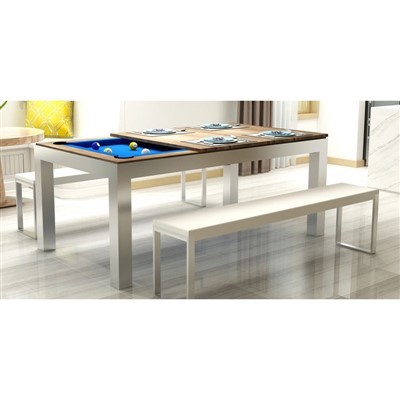
Snooker Dining Table References:
- Billiards Digest Guide to Cue Care and Transportation, 2022
- National Billiard Association Shipping and Handling Best Practices, 2023
- The Official Guide to Pool Ball Care and Storage, 2021
Shuai Zhanjiang (Dongguan) Co., Ltd.
As one of the leading billiard accessories manufacturers and suppliers in China, we offer a wide range of products with superior quality. Please rest assured to buy billiard accessories made in China here from our factory. We also accept customized orders.
Address: No. 50 Siyuan Road, Changping Town, Dongguan City, Guangdong Province
E-mail: cbibilliard01@gmail.com
WebSite: https://www.cbibilliard.com/
