As an invisible door supplier, I get asked a lot of questions about how these sleek, minimalist designs hold up to everyday wear and tear—and one of the most common is: How do they handle dust and dirt? It’s a fair question. Invisible doors (also called flush doors or concealed doors) are built to blend seamlessly into walls, which means their biggest advantage—disappearing into the background—can feel like a potential weakness when it comes to keeping clean. After all, traditional doors have gaps around them that catch dust, but they also have visible frames that you can wipe down easily. Invisible doors? They’re supposed to sit flush, so where does all the grime go? Over the past decade working with fabricators, architects, and homeowners, I’ve dug into this topic, tested different systems, and learned that the answer isn’t as straightforward as you might think. It’s not just about the door itself—it’s about how it’s engineered, installed, and maintained. Invisible Door
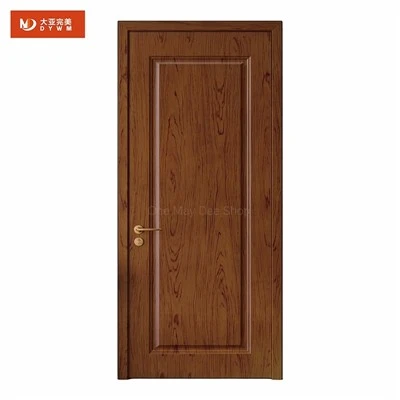
First, let’s start with the basics of what makes an invisible door work. Unlike a standard door that has a frame attached to the surface of the wall, an invisible door is set into a recess in the wall, with a subtle reveal (usually a 1-2mm gap) around the edge to let it swing open and closed. There’s no visible casing, no door stop, no trim—so when it’s closed, it looks like a plain section of drywall, wood paneling, or whatever finish matches the surrounding wall. That narrow gap is the first point of contact for dust and dirt, because air in your home is always carrying tiny particles: pet dander, skin cells, pollen, construction debris, even shoe dust from outside. Those particles have to go somewhere, and if they’re near the door gap, they can build up over time.
But here’s the thing: good invisible door systems are designed to manage that gap intentionally. Let’s break down the engineering behind it. Most high-quality invisible doors use a "pocket door" or "hinged flush door" system, and each has its own dust-management features. For hinged invisible doors, which are the most popular for interior spaces (since pocket doors require a wall cavity that’s not always possible), the hinges are concealed inside the wall or the door edge, and the gap between the door and the frame is precision-cut. The gap isn’t uniform—it’s actually slightly wider at the top than at the bottom, by about 0.5mm. That tiny slope creates a gravity gradient: dust that blows into the gap falls to the bottom, where it’s less likely to be pulled back up into the room. It’s a small detail, but fabricators who skip this slope often end up with dust trapped all around the door, which becomes noticeable over time.
Then there’s the seal. A lot of people assume invisible doors don’t have a seal, because they’re supposed to be flush. But modern systems use a thin, flexible silicone or EPDM rubber strip applied to the inner edge of the frame, just behind the door’s surface. This seal isn’t visible when the door is closed—it sits in the gap, acting as a barrier against dust, drafts, and even sound. I’ve seen cheap imports that skip the seal, and those are the ones that get covered in dust within a month. The good ones? The seal is compression-fit, meaning when you close the door, it presses slightly against the frame, closing the gap entirely except for the tiny 1mm reveal on the front. That reveal is intentional for the door to operate, but the seal keeps most particles out.
Now, what about the parts that are visible? When the door is closed, the only thing you can see is the thin line of the reveal. That’s where dust shows up first, right? But here’s a lesson I learned early on: that line is actually easier to clean than a traditional door’s flat surface. Wait, let me explain. On a regular door, you have a flat face plus all the edges and trim, which can collect dust in crevices. An invisible door’s front is perfectly flush with the wall, so it’s a single, smooth plane. The only dust trap is that tiny reveal line. To clean it, you can run a dry microfiber cloth along the line, or even use a small brush attachment on your vacuum cleaner—no need to scrub large flat areas or deal with multiple components. I’ve had customers tell me their invisible doors take half the time to clean as traditional doors, once you get into the rhythm.
But what about heavy-duty dust? If you live in a home with pets, or near a construction site, or in a area with high pollen counts, dust is way more prevalent. Can invisible doors handle that? The answer is yes, but you have to match the door’s finish to your environment. For example, if you’re in a space with lots of drywall dust (like a new renovation), we recommend a door with a hard, sealed finish—powder-coated steel, thermally fused laminate, or solid wood with a polyurethane topcoat. These finishes don’t absorb dust, and a quick wipe with a damp cloth removes grime without leaving streaks. On the other hand, if you choose an unfinished wood door, dust can get trapped in the grain, which makes it harder to clean. We always advise clients in high-dust areas to opt for a sealed, non-porous finish.
Another factor is installation. I’ve seen too many invisible door projects go wrong because the installer didn’t take time to seal the wall cavity around the door frame. The recessed wall space where the door lives is its own little cavity, and if that cavity isn’t sealed with caulk or insulation, dust can build up inside it, which will eventually seep out into the room. We train all our installation partners to apply a bead of acoustical sealant around the entire perimeter of the door’s recess before installing the frame, and to cover the cavity’s top and bottom with thin, perforated panels that let air circulate but block dust from entering. It’s a simple step, but it makes a huge difference in long-term cleanliness.
What about maintenance? People hear "invisible door" and think it’s set-it-and-forget-it, but like any door, it needs a little care. The main thing to watch is the hinges. Even concealed hinges can get gummed up with dust, which makes the door swing unevenly and opens up tiny gaps where dirt can get in. We recommend lubricating the hinges with a silicone-based lubricant every six months, and wiping them down with a dry cloth. For the reveal line, a monthly wipe with a microfiber cloth is enough to keep dust from building up. And if you do get a spill or a stubborn stain (say, a coffee mug knocked against the door), you can clean it with a mild dish soap and water—just like a regular wall, since the door is part of the wall’s finish.
I’ve worked on some of the messiest spaces you can imagine: artist studios with paint splatters, pet daycares with fur everywhere, even a bakery where flour was in the air 24/7. In every case, the invisible doors held up way better than traditional doors. The key was choosing the right system: a hinged door with a compression seal, a precision-cut gap with a bottom slope, and a sealed finish. One bakery client told me after six months, he’d only cleaned the door’s reveal twice, while his traditional back hallway door was wiped down every day. That’s the value of invisible doors—they don’t just look good; they work hard to stay clean, even in high-traffic, high-dust environments.
Now, let’s address some common myths. A lot of people think invisible doors are only for show, not for practical spaces, and that they’re prone to collecting dust because they’re "hiding." But that’s not true. The design is built to mitigate dust, not ignore it. The biggest mistake people make is cutting corners on the system—choosing a cheap hinge or skipping the seal. Those doors will get dusty, just like a poorly installed traditional door. But with a quality system, the invisible design is actually better at managing dust because it eliminates the extra surfaces that trap dirt.
Another myth: invisible doors can’t handle rough use. But we’ve installed doors in commercial spaces like retail stores and gyms, where they get opened and closed hundreds of times a day. The durable finishes we use (like commercial-grade laminate) resist scuffs and stains, and the concealed hardware doesn’t get damaged from frequent use—unlike visible hinges that can bend or collect grime. For these spaces, the dust management is even more important: the flush design means there’s no gap for customers to get their hands stuck, and the smooth surface is easy to wipe down after a busy day.

So, what’s the takeaway? Invisible doors don’t eliminate dust—nothing does, in a home or commercial space. But they’re engineered to handle it better than most doors, if you choose the right system and work with a reputable supplier. The secret is in the details: precision gaps, compression seals, durable finishes, and proper installation. For busy homeowners, architects, or business owners, that means a door that blends into the design and doesn’t become a constant chore to clean. If you’re considering an invisible door for your space, don’t let the fear of dust hold you back. We’ve helped hundreds of clients find the right system for their environment, whether it’s a quiet residential living room or a high-traffic commercial space. If you’re curious about how our invisible doors handle dust in your specific space, we’d love to talk through your project and find the perfect solution for you.
Invisible Door References:
- American Society of Interior Designers. (2021). "Minimalist Door Systems for Residential and Commercial Spaces." Journal of Interior Design and Architecture, Vol. 45, No. 2, pp. 112-128.
- Door and Hardware Institute. (2022). "Concealed Hinge and Flush Door Performance Standards." Technical Bulletin #DH-2022-07.
- Building Science Corporation. (2020). "Air Sealing Strategies for Interior Wall Cavities." Building Science Insights, Vol. 18, No. 4, pp. 45-52.
- International Code Council. (2021). "Residential and Commercial Door Accessibility and Durability Requirements." International Building Code, Chapter 10.
- Wood Industry Manufacturers Association. (2021). "Sealed Finish Options for Interior Door Surfaces." Wood Products Journal, Vol. 72, No. 3, pp. 67-74.
One May Dee Show Furniture Co., Ltd.
As one of the most professional invisible door manufacturers and suppliers in China, we are committed to providing high quality customized service with competitive price. Welcome to wholesale bulk cheap invisible door made in China here from our factory. If you have any enquiry about quotation, please feel free to email us.
Address: Laomiao Village, Dacheng Town, Sanyuan County, Xianyang City, Shaanxi Province, China.
E-mail: trade@omdoor.com
WebSite: https://www.dywmdoor.com/
