Hey everyone, thanks for swinging by my blog! As someone who’s been in the glass wool insulation game for over a decade, I get way too many questions from contractors, homeowners, and even other suppliers that boil down to one big one: “Does glass wool insulation actually need to be sealed?” Let’s cut through the noise here—no stuffy industry jargon, just what I’ve learned from delivering glass wool to job sites, troubleshooting bad installs, and answering texts at 9 PM from a homeowner panicking about their attic. Glass Wool Insulation

First off, let’s start with the basics so we’re all on the same page. Glass wool is that fluffy, crinkly stuff we supply—made from recycled glass spun into tiny fibers, right? It’s lightweight, super affordable, and does a solid job at trapping air, which is what makes insulation work. Air movement is the enemy here; if air flows through the insulation, it carries heat away in winter and brings it in summer, so your HVAC runs way more than it should. That’s where the seal question comes in.
Wait, let’s not jump straight to “yes” or “no” just yet. The answer depends on two huge factors: what side of the glass wool we’re talking about, and where you’re installing it. Most people hear “seal” and automatically think airtight barrier, but that’s not always the case. Let’s break this down into the two main areas people mess up: the facing and the gaps around edges.
First, the facing. A lot of our glass wool comes with a kraft paper, foil, or plastic facing attached to one side. That facing isn’t just for holding the insulation together—its whole job is the primary seal. If you’re putting that in a wall cavity, attic floor, or ceiling, that facing is supposed to face the conditioned space (the inside of your house where you live). If you leave that facing exposed, or install it backwards, you’re letting air leak right through the front of the insulation. I’ve seen this so many times: a contractor flips a roll because it’s easier to handle, and then the homeowner wonders why their electric bill spiked 20% that winter. That’s a no-brainer seal right there—don’t mess with the facing direction.
But what if you’re installing unfaced glass wool? No facing, just the fluffy fibers. Then you need a different kind of seal, right? Un faced glass wool is used in places like open attic floors, where you don’t want to trap moisture, or in cathedral ceilings where you’re finishing the space later. Wait, but even unfaced isn’t totally un-sealed. You still need to make sure no air is moving through it. How? By using another air barrier, like polyethylene sheeting, or taping any gaps between batts? No, wait—wait, let’s get this straight. Un faced glass wool shouldn’t be sealed with tape on the fibers themselves, because that compresses the insulation and ruins its R-value. Instead, the air barrier has to go on the side that touches the living space. For example, if you’re using unfaced in an attic, you can use a vapor retarder (that’s the plastic sheet) stapled to the rafters, and then lay the glass wool on top of that. That way, you’re sealing the air before it hits the insulation, not the insulation itself. That’s a key point I wish more people got—you don’t seal the glass wool, you seal the air flow around and in front of it.
Now, the gaps. This is where 80% of the bad installs happen, no matter if the glass wool is faced or not. You cut a batt to fit between studs, right? But if that batt is too small, you’ve got a gap. Air will move through that gap like a tunnel, bypassing the insulation entirely. That’s a bigger problem than leaving a small spot of facing off. How do you seal those gaps? Sometimes it’s as simple as using a small piece of glass wool to stuff the hole—no need for caulk, actually. Wait, caulk can be messy and compress the insulation if you use too much. But if you’re working with bigger gaps, expanding spray foam (the low-expansion kind, not the high-expansion that can push studs out) works great. I’ve had contractors tell me they skip the gap sealing to save time, but that’s like putting a screen door on a submarine—pointless. The insulation only works if there’s no air moving through the gaps.
Wait, what about places where you shouldn’t seal it? Oh right, bathrooms and kitchens! Those are high-moisture areas. If you seal the glass wool in a bathroom wall, you trap moisture inside the wall cavity, leading to mold or rot. That’s a huge mistake I’ve seen more than once. So in humid spaces, you need a vapor permeable material for sealing, not a full air barrier. Like, if you’re using faced glass wool in a bathroom, you can install the facing towards the inside, but make sure the outside of the cavity (the sheathing) has a breathable house wrap, not plastic. That way, moisture can escape through the wall, instead of getting stuck behind the insulation. That’s a balance, not a hard seal—so it’s not “needs sealed” everywhere, just strategically.
Let’s talk about a common myth: people think glass wool needs to be 100% airtight to work. That’s not true. The fibers themselves are not airtight—they’re porous, that’s how they trap air. The seal is about preventing bulk air movement, not sealing every tiny fiber pore. That’s why faced insulation works: the facing is the airtight barrier, so air can’t move through the entire batt. If you seal the fibers themselves, you’re compressing them, which lowers their R-value (the measure of insulation effectiveness). R-value is super important—for every inch of glass wool, you get about R-3 to R-3.7, so if you compress it, that number drops, and you’re wasting money on insulation that doesn’t work as well. I’ve seen someone tape a whole batt of unfaced glass wool shut and wonder why their electric bill didn’t change—they ruined the R-value by compressing it. That’s a lesson hard learned for a lot of DIYers.
Another scenario: basements. Finished basements use a lot of glass wool too. If you’re installing insulation on basement walls, you’re dealing with concrete, which can have moisture vapor coming through. So here, the seal is a vapor barrier. But wait, if you use faced glass wool, you have to make sure the facing is towards the interior (the finished basement side), not the concrete. If you face it towards the concrete, you’re trapping moisture between the insulation and the wall, leading to mold. So even here, the direction of the facing is the seal—just facing the right way, not sealed with anything extra. For unfaced in basements, you’d use a foam board on the outside (against the concrete) and the glass wool on the inside, with a vapor barrier on the living side. That’s another case where the seal is about direction and layers, not gluing or taping the insulation itself.
Let me throw in a quick story to make this real. A homeowner reached out to me last month, super frustrated. She’d had glass wool installed in her attic, and her HVAC was running nonstop. She said the contractor “sealed all the edges with caulk” and the facing was all facing the right way. I went to check, and turns out he’d compressed every batt with too much caulk around the edges. So the R-value was half of what it should be, and even though the edges were “sealed,” the insulation itself didn’t work. We replaced that caulk with small pieces of glass wool stuffed in the gaps, and her R-value bounced back to where it needed to be. That’s exactly why this stuff matters—sealing the wrong part, or the wrong way, can make your insulation worse.
So to wrap this up, let’s get a clear answer: Does glass wool insulation need to be sealed? Sort of, but not the way you might think. It’s not about slapping tape all over the fluffy fibers. It’s about: 1) Making sure the facing (if you have it) faces the conditioned living space, which acts as your primary air barrier; 2) Filling gaps around studs, rafters, or wires with small pieces of glass wool or low-expansion spray foam to stop air from bypassing the insulation; 3) Using a permeable seal (not plastic) in high-moisture areas like bathrooms and basements to prevent trapped moisture. And never seal the insulation itself—compressing it kills its effectiveness.
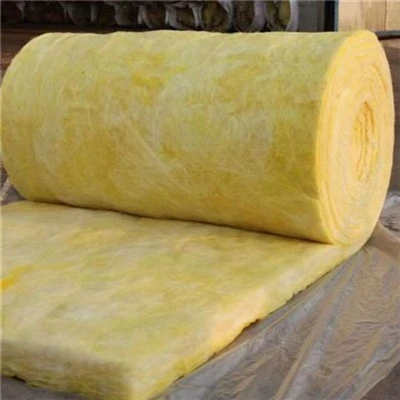
If you’re a contractor looking to stock high-quality glass wool for your next job, or a homeowner trying to figure out your attic install, I’m here to help. We’ve got faced and unfaced options, all tested for R-value, and I can walk you through exactly what you need for your specific space. Hit me up to chat about your project, no pressure, just straight answers from someone who’s lived this stuff for years.
Rubber Insulation References
- U.S. Department of Energy. (2022). “Insulation Seal and Air Barriers”. Energy.gov.
- International Association of Certified Home Inspectors. (2021). “Glass Wool Insulation Best Practices”. InterNACHI.
- National Insulation Association. (2020). “Moisture Management in Residential Insulation”. Insulation.org.
- Building Science Corporation. (2019). “Air Flow and Insulation Performance”. BuildingScience.com.
Langfang Yafeng Energy-Saving Technology Co., Ltd.
As one of the most professional glass wool insulation manufacturers and suppliers in China, we have world-leading production equipment and strong manufacturing capabilities. Please feel free to buy high quality glass wool insulation for sale here from our factory. For price consultation, contact us.
Address: Langfang Xinyafeng, Liugezhuang Town, Dacheng County, Langfang City, Hebei Province
E-mail: yafengbaowen@gmail.com
WebSite: https://www.xyfinsulations.com/
