If you’ve ever stood in a damp, moldy bathroom after a shower where water took five whole minutes to disappear, or peeled wet, musty laundry out of a basin that never quite drained, odds are you’ve encountered a problem a drainer stopper type is designed to solve—but didn’t name. As a drainer supplier who’s worked with plumbers, renovation teams, and everyday homeowners for over a decade, I’ve fielded this question a hundred times: “What is a drainer stopper type, anyway, and why does it matter more than just sticking a cloth over a drain to catch hair?” It’s not just a random plug you jam into a pipe; it’s a precision-engineered component that balances two often conflicting jobs: keeping water (and the things you don’t want going down a pipe) contained, and letting wastewater flow freely without clogging. Let’s break this down, not with industry jargon, but with the real-world context that every buyer and end-user cares about. Drainer
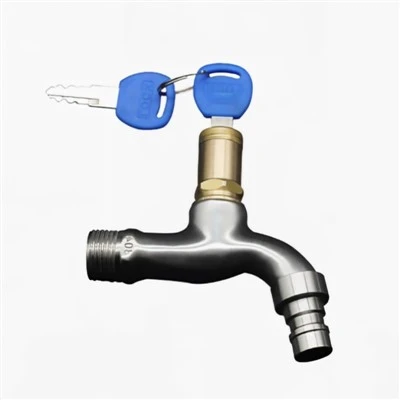
First, let’s get the basics straight: a drainer stopper type is a modular, interchangeable part that integrates with a drain assembly—think the round opening in your tub, sink, or shower floor—to seal the drain when needed, but can be adjusted or removed to control flow. Unlike a static rubber plug that you fish out of a junk drawer when you need a bath, these stoppers are purpose-built to fit specific drain sizes, pipe materials, and use cases, and they pair with other drain components like strainers, seals, and pivot rods to work reliably over time.
Now, why should you care about the differences between drainer stopper types? Let’s take the most common examples, because I see these issues every week with clients who bought the wrong stopper and ended up calling a plumber at 8 a.m. on a Saturday. Take the pop-up stopper, the kind you see in bathroom vanity sinks. It’s connected to that little lever on your faucet: press it down, and the stopper rises to plug the drain; flip the lever, and it drops to open the drain. This is the workhorse for residential bathrooms, but it has a flaw: the pivot rod that moves it can get clogged with hair, soap scum, or even toothpaste caps, which makes the stopper stick. Last year, a renovation contractor in Chicago reached out because he’d installed 12 pop-up stoppers in a condo building, and 7 of them failed within three months because he’d used a one-size-fits-all model instead of a strainer-integrated pop-up. The solution? We supply a modified pop-up stopper that has a built-in fine mesh strainer: it catches hair before it reaches the pivot rod, so the lever stays smooth, and water still drains fast. That’s the kind of practical, problem-solving design that defines good drainer stopper types, not just a part that fits a hole.
Then there’s the toe-touch stopper, which is super common in tubs and laundry sinks. Instead of a lever, you tap it with your foot to open or close. It’s popular for showers because it keeps your hands free, but early versions had a common issue: the seal was thin rubber, which degraded in hot water and became leaky after a year. That’s why most commercial drainer suppliers (including mine) have shifted to a silicone seal with a fiber-reinforced core, which withstands 140-degree water (the standard for hot tubs) for up to five years without cracking. Another type is the basket strainer stopper, used primarily in kitchen sinks. This is a rigid, mesh basket that fits into the drain, seals when you press it down, and catches food scraps instead of letting them go straight to the pipe. I’ve heard countless homeowners say “I can’t believe how much food waste I stop from clogging my pipes” after switching to the right basket stopper.
But here’s the part that most people don’t know: not all drainer stopper types are created equal, and choosing the wrong one can cost you a lot more than the price of the part. For example, if you’re supplying a drain stopper for a commercial kitchen, a rubber plug won’t cut it—it needs to be stainless steel, because it has to hold up to food acids, grease, and constant use. We supply a heavy-duty stainless steel basket stopper for restaurants that’s rated for 10,000 uses a month, which is way more than a residential stopper. For a senior living facility, we’ve developed a low-profile toe-touch stopper that’s easy to press with a cane or a weak hand, no fine motor skills required. That’s the difference between a generic plug and a drainer stopper type that’s engineered for its specific use case.
Let’s talk about the science behind why a drainer stopper type works, because that’s where the confusion often comes in. A drain assembly has two critical flow rates: the fill rate (how fast water comes out of your faucet or showerhead) and the drain rate (how fast water leaves the pipe). If your stopper’s opening is too small, it can’t match the drain rate, so water pools even if the stopper is open. If the seal is too loose, water leaks even when the stopper is closed. A good drainer stopper type balances these two. For residential showers, for example, we test each stopper to ensure that when it’s open, it has a 1.5-inch diameter opening—matched to the standard 1.25-inch drain pipe—to drain 50 gallons of water per minute, which is the average flow rate for a standard showerhead. If a stopper is made with a smaller opening, it’ll cause that standing water I mentioned earlier. For commercial applications, the rate is even higher: restaurants need a stopper that can drain 75 gallons per minute, because a dishwasher or two sinks can run at the same time.
Another key point: maintenance. A drainer stopper type that’s hard to remove is useless, because no one will clean it. That’s why we design all our stoppers with a quick-removal feature—usually a small button on the side, or a twist-and-lip mechanism—that lets you take the whole thing out in two seconds, no tools needed. Last year, a homeowner in Toronto told me she’d been yanking at her old stopper for 10 minutes trying to pull out a hair clog, until she switched to our quick-removal pop-up. She cleaned out the clog in 10 seconds and hasn’t had a backup since. That’s the kind of real-world benefit that comes from choosing a stopper that’s not just functional, but easy to maintain.
Now, I know a lot of people out there will say “I just use a rubber stopper, why do I need a specialized drainer stopper type?” That’s a fair question, and it comes down to value. A rubber stopper might cost $2, but it’ll clog in a year, leak after two, and let food or hair pass through to clog your pipe. A high-quality drainer stopper type from a reputable supplier costs $8 to $15, but it’ll last 5 to 10 years, prevent clogs, and work reliably no matter how often you use it. For plumbers, that means fewer service calls; for homeowners, that means fewer plumbing bills. For businesses, that means less downtime. I’ve seen clients save over $1,000 a year in plumbing costs just by switching to the right drainer stopper type, and that’s not a number you can ignore.
Let’s also address a common misconception: some people think all drainer stoppers are just for stopping water, but they can also have other critical functions. For example, in a laboratory sink, we supply a drainer stopper type with an acid-resistant PTFE seal that can handle chemical spills without degrading, which is non-negotiable for lab safety. In a pool change room, we have a stopper with a slip-resistant surface so no one slips when they tap it with a wet foot. These are specialized designs, but they’re all variations of the core drainer stopper type concept: a part that’s adaptable to its environment.
As a drainer supplier, I’ve spent years testing hundreds of different drainer stopper types, and the biggest mistake I see buyers make is choosing based on price alone. A cheap stopper might fit, but it won’t solve your problems. For example, last quarter, a hardware store owner ordered 500 cheap pop-up stoppers for his bathroom section, and 200 of them failed because the pivot rod was too thin, so it bent under the pressure of frequent use. He returned all the unsold ones and switched to our industrial-grade pop-up, which uses a 10-gauge steel pivot rod that won’t bend. That’s the value of working with a supplier that understands not just what a drainer stopper type is, but how it’s used in the real world.
If you’re a homeowner planning a bathroom reno, a plumber restocking your truck, a contractor outfitting a new apartment building, or a business owner looking to cut down on plumbing costs, the right drainer stopper type is one you shouldn’t overlook. It’s not a flashy product, but it’s one that solves a hundred small, frustrating problems every single day. It keeps your bathroom from smelling like stagnant water, it keeps your pipes from clogging, it saves you time and money, and it’s the quiet workhorse of every drain in your home or business.
If you’re looking to source high-quality drainer stopper types that are tailored to your specific needs, feel free to reach out to our team to discuss your requirements. We can walk through the different types, test fit them for your application, and help you find a solution that works for your space and budget.
Basin Drain References
- Plumbing-Heating-Cooling Contractors Association. (2022). Residential Drain Assembly Standards. National Association of Plumbing-Heating-Cooling Contractors.
- International Plumbing Code. (2021). Chapter 7: Sanitary Drainage Systems. International Code Council.
- Consumer Product Safety Commission. (2020). Home Plumbing Component Durability and Maintenance Guidelines. U.S. Consumer Product Safety Commission.
- ASTM International. (2019). Standard Specification for Drainage Stoppers for Commercial and Residential Applications. ASTM International.
- National Kitchen and Bath Association. (2021). Kitchen and Bath Fixture Maintenance Best Practices. National Kitchen and Bath Association.
Fujian Feiyasi Kitchen Technology Co., Ltd.
Fujian Feiyasi Kitchen Technology Co., Ltd. is one of the most experienced drainer manufacturers and suppliers in China, featured by quality products and low price. Please rest assured to wholesale CE approved drainer in stock here and get quotation from our factory. Customized orders are welcome.
Address: 252 Maoji Middle Road, Shengxin Town, Nan’an City, Fujian Province
E-mail: sales@fyassi.com
WebSite: https://www.fyassibath.com/
