If you’ve ever shipped a dot laser module only to find it dimmed, misaligned, or completely unworkable when your customer opened it, you know how frustrating improper storage can be. As a dot laser modules supplier, I’ve seen this happen far too often—whether it’s a small business customer storing units on a warehouse shelf or a hobbyist keeping extra modules in a junk drawer. The problem isn’t always in the manufacturing; more often, it’s in how the modules are stored between the factory and the end user. Dot laser modules aren’t just simple electronic parts—they’re precision devices with sensitive diodes, lenses, and alignment components that can degrade rapidly if not cared for correctly. Over the years, I’ve tested dozens of storage methods, worked with engineers to troubleshoot storage-related failures, and refined the steps to keep dot laser modules in top condition for months or even years. In this post, I’m sharing exactly how to store dot laser modules properly, from the moment they leave our warehouse to the day your customer installs them. Dot Laser Modules
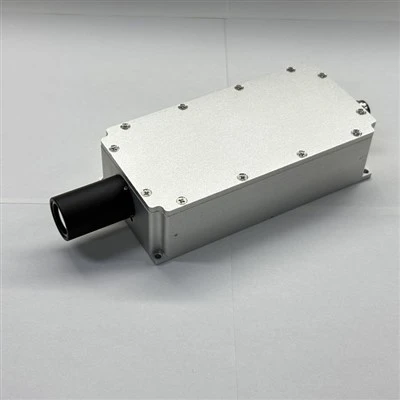
First, let’s start with why dot laser modules are so sensitive. At the core of every dot laser module is a laser diode, a semiconductor that emits coherent light when current runs through it. These diodes are tiny, fragile, and highly reactive to their environment. Excessive heat can shorten their lifespan dramatically—even a few weeks in a hot attic can cut a diode’s operational life in half. Moisture is another major risk: water or even high humidity can corrode the diode’s leads, fog the anti-reflective (AR) coating on the lens, or cause electrical shorts that kill the module instantly. Dust and debris might seem minor, but if it settles on the lens, it can scatter the laser beam, making the dot uneven or dim. Even physical vibration or rough handling during storage can shift the diode or lens alignment, turning a precise dot into a blurry, scattered spot.
The most critical first step in proper storage is choosing the right location. I’ve seen customers store modules in everything from a garage to a desk drawer, and only the ones kept in a controlled environment last. The ideal storage space is cool, dry, and stable in temperature and humidity. Aim for a temperature between 10°C (50°F) and 25°C (77°F)—avoid areas that fluctuate, like a near a furnace or a window that gets direct sun. Humidity is just as important; keep it below 45% relative humidity to prevent moisture damage. A climate-controlled storage cabinet or a dedicated electronics storage box works perfectly here. Skip places with high moisture, like basements, bathrooms, or anywhere near standing water. Even in dry climates, a dehumidifier in the storage area can make a huge difference for long-term storage.
Next, the packaging your modules arrive in isn’t just for shipping—it’s the best initial barrier between the module and the environment. When we package dot laser modules for shipping, we use anti-static foam inserts, moisture-barrier bags with desiccants, and static-shielding materials. Static electricity is a silent killer for laser diodes: a small static shock you might not even feel can permanently damage the diode, causing it to fail immediately or weaken over time. Always keep modules in their original packaging when storing them long-term. If you’ve removed the original packaging, invest in anti-static bags (available at electronics supply stores) to wrap each module individually. For short-term storage (less than a month), even a zip-top anti-static bag works, but for longer than that, add a small desiccant packet (the kind that comes in shoe boxes or medication bottles) to absorb any lingering moisture. Never store multiple modules together without separating them—their leads can touch, causing electrical shorts, or the modules can scratch each other’s lenses.
Physical handling during storage is another easy mistake to avoid. Even though dot laser modules are small, their lenses are made of glass that’s surprisingly easy to scratch, and their internal alignment can shift if dropped or jostled. When moving stored modules, handle them by their housing or the wire leads, never by the lens. Never set a module lens-down on a hard surface—even a tiny dust particle can scratch the AR coating, which is essential for keeping the laser beam bright and uniform. For long-term storage, place modules on a flat, stable shelf lined with anti-static foam, not directly on bare wood or plastic shelves. If you’re storing a large number of modules, organize them in individual compartments in an anti-static tray, so they don’t bump into each other. Avoid stacking heavy items on top of modules—even a small box can bend the module’s housing or break the delicate leads.
A common question I get from customers is whether it’s safe to store modules with their batteries, wires, or accessories. The short answer is: not for long periods. Batteries can leak over time, and even sealed lithium-ion batteries can degrade and expand, which can damage the module’s leads or housing. If you must store a module with a power source (for example, if you’re setting aside a complete system for a project), remove the battery and store it separately in its own protective case. Wires are fine as long as they’re not tangled tightly—tangled wires can cause stress on the module’s leads, leading to breaks over time. For long-term storage, it’s best to disconnect any wires from the module and wrap them loosely with a soft, anti-static cloth to prevent kinks.
Another often-overlooked factor is exposure to light. Dot laser diodes are sensitive to intense light, especially sunlight. Direct sunlight can heat the module above safe temperatures and even cause the diode to degrade over time, even when the module is turned off. Never store modules in a window or near a bright, unshipped light source. Even indoor bright lights (like overhead fluorescent lights) can contribute to minor heat buildup, so a dim, dark storage space is best. If you’re storing modules in a cabinet, keep the cabinet doors closed to limit light exposure.
For long-term storage (six months or more), there are a few extra steps to ensure your modules perform when you’re ready to use them. Every three to six months, take a few minutes to inspect the modules: check that the anti-static bags are still intact, the desiccant hasn’t changed color (most desiccants turn pink when they’re saturated, so replace them if that happens), and there’s no visible corrosion on the leads. If you’re storing a large batch, test one module every few months to confirm it still turns on and produces a clear, uniform dot. To test it, connect it to a compatible power supply (never use an unregulated power source, as that can damage the module) and point it at a white wall at least a few feet away. If the dot is bright, round, and consistent, the module is good to go. If it’s dim, fuzzy, or has dark spots, that’s a sign of environmental damage, and the module may need to be replaced.
I’ve seen the difference proper storage makes firsthand. A few years back, a customer ordered 50 dot laser modules for a signage project, stored them in their garage for three months in unmarked plastic bags, and half of them failed when they tried to install them. After walking them through proper storage steps, they re-ordered the same modules and stored them in a climate-controlled cabinet with desiccants, and every single one worked perfectly when they opened them. That’s why we emphasize storage best practices so strongly—our customers’ success is our success.
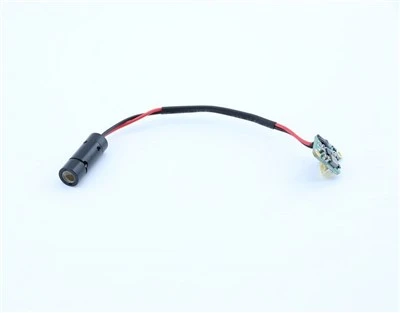
Now, if you’re a business looking to source high-quality dot laser modules that are designed to withstand proper storage conditions, or if you have questions about storing the modules you already have, we’re here to help. We specialize in dot laser modules for signage, industrial alignment, hobbyist projects, and more, and we’re happy to answer any questions about storage, installation, or customization. Reach out to our team to discuss your needs, and we’ll work with you to find the right solution for your projects.
Parallel Line Laser Modules References
- Laser Diode Reliability and Storage Guidelines, Laser Institute of America, 2018
- Environmental Impact on Optoelectronic Components, International Electrotechnical Commission (IEC) Standard 60825-1, 2021
- Anti-Static Packaging Best Practices for Electronic Components, Electronics Industry Alliance, 2020
- Moisture Damage Prevention for Precision Optical Devices, Optical Society of America (OSA) Journal of Optical Engineering, Vol. 57, No. 10, 2018
Changshu Desheng Optics Electronics Co., Ltd.
As one of the most professional dot laser modules manufacturers and suppliers in China, our products have good reputation in the market. Please feel free to buy advanced dot laser modules for sale here from our factory. Good service and quality products are available.
Address: 8A, Yineng science and technology industrial park, No.183, Yinhe Road, Southeast Development Zone, Changshu, Jiangsu Province, China.
E-mail: desheng1@dershinelaser.com
WebSite: https://www.ds-lasers.com/
