Hey guys, I’m [just your regular variator guy, no fancy title here] and I get asked this question all the time: “Can a variator even work in a marine environment?” Let’s cut to the chase—if you’re in the marine game, you’re dealing with a whole different set of headaches: salt spray, constant moisture, extreme temp swings, and dirt that sticks like glue. Most gear just doesn’t hold up, so I wanted to break this down straight from someone who supplies these things, not some textbook. Variator
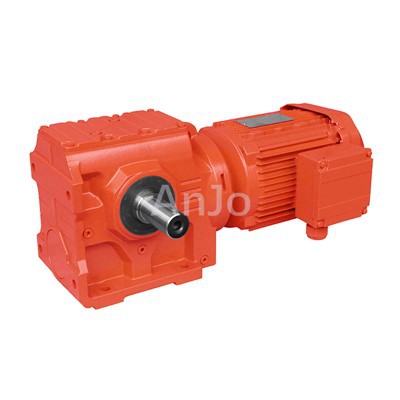
First, let’s make sure we’re on the same page: a variator (that’s short for variable speed drive, for the uninitiated) is basically a gear system that lets you adjust speed on the fly without switching gears. On land, you see ’em on conveyor belts, lawn equipment, even some fitness gear. But marine? That’s a whole other beast. Let’s start with the big one everyone fears: corrosion. Saltwater is corrosive as hell—way worse than regular moisture. A standard variator with cast iron parts, cheap seals, and uncoated steel? It’ll rust through faster than you can say “anchor up.” But here’s the thing: not all variators are created equal. The ones we supply (I’m talking the ones we build in our shop, not the off-the-shelf junk you find online) get specific marine-grade upgrades that make all the difference.
We’re talking about everything from electroplated zinc-nickel coatings on all metal surfaces to seals that are rated for IP67—you know, the kind that can get totally submerged and still keep water out. Wait, let’s keep it real: IP ratings aren’t just marketing here. For marine, you don’t want “dust-resistant” or “water-splashed”—you need something that can handle a wave crashing over the deck, a boat sitting in a rainstorm for three days, or even being tied up in a bay where spray’s hitting it 24/7. Our variators don’t just have a rubber seal, either—we use dual lip seals with a food-grade grease that’s compatible with saltwater, so it doesn’t break down when it’s exposed. That’s a small detail, but it’s the stuff that kills cheap variators fast.
Next up: moisture buildup inside the unit. Marine environments have humidity that’s through the roof—even on nice days, a boat’s engine room is a sauna. If a variator’s not vented right, condensation will collect inside, mix with any stray salt that gets in, and turn into a briny goop that gums up the moving parts. We fixed that with a simple, self-draining vent that equalizes pressure but keeps water and salt particles out. No more “stuck speed” issues because the internal parts are corroded together. I’ve had customers tell me their old land-based variators would seize up after a single season on their fishing charter boat—ours have lasted three, four, even five seasons straight without a rebuild. That’s not hype, that’s what our field techs see every month.
Then there’s vibration and shock. Boats aren’t like factories where the conveyor runs smooth—they’re bouncing, rocking, slamming into waves. Standard variators have delicate belts or chains that can slip or break under that kind of load. Our variators use a hardened steel drive chain with specially shaped sprockets that grip the belt way better, so slippage is almost zero. We also balance every single unit before it leaves the shop—you don’t get that from a mass-produced one off Amazon. I remember a guy who runs a small lobster boat came to me last year; his old variator was slipping so bad he had to shut down every time he hit a rough spot. We swapped it for our marine-grade model, and he told me a month later he didn’t even notice the speed changing when he hit 10-foot swells. That’s the kind of real-world win we live for.
Wait, let’s talk about the applications people actually need. You’re not just using variators for fun—you need ’em for things like winches, anchor windlasses, conveyor systems on fishing boats that sort catch, cabin fans, even the small pumps that circulate water through the engine. All of those are high-stakes. If your winch’s variator fails, you could lose an anchor in the middle of the night. If your conveyor stops mid-catch, you’re wasting thousands of dollars of fish. Our variators are rated for continuous use at 95% efficiency, even in 80°F humidity, so they don’t overheat like cheap ones. We also offer a closed-loop cooling option if you’re running them in engine rooms where space is tight and temps are high—no more tripping thermal breakers out on the water.
But here’s the honest part: it’s not just about the unit itself. Installation matters, a lot. We don’t just sell a variator and wash our hands of it. We tell our customers to mount it where it’s out of direct spray, if possible, and to check the seals once a month—small, easy steps that keep it running. One common mistake I see? People buy a “marine-rated” variator from a big brand, stick it in a corner of the engine room, and never service it. Even the best unit will fail if you skip maintenance. We send out a quick guide with every unit that’s specific to marine use—like wiping down the exterior with fresh water after a trip to a saltwater dock, or adding a tiny bit of marine grease to the chain every 50 hours. It’s 10 minutes a month, and it adds years to the unit’s life.
I’ve had skeptics come to me before— guys who swore variators were only for land gear, that salt would eat through anything. Most of them left with a unit, came back a year later, and told me they were wrong. There’s a guy who runs a small research vessel; he uses our variators on the winches that lower his research equipment into the ocean. He said last time he was out in a storm, his old hydraulic winch failed, but our variator kept running smooth enough to get his gear back on deck safe. That’s the kind of impact we’re talking about here.
Now, let’s address the elephant in the room: cost. Yeah, marine-grade variators aren’t as cheap as the off-the-shelf ones you can get at a hardware store. But let’s do the math. A cheap variator might last a season, then you’re buying a new one every 6 months— that’s $200 a pop, every single time. Our variators cost more upfront, but they last 3-5 years, sometimes longer. That’s way less money in the long run, and way less downtime. When you’re out on the water, downtime isn’t just an inconvenience—it’s lost income, missed catches, even safety risks. I’d rather pay a little more for something that doesn’t quit when you need it most.
Is there any scenario where a variator isn’t a good fit for marine? Yeah, probably. If you’re running a super heavy-duty commercial fishing trawler with tons of high-torque equipment, you might need a different setup. But for 90% of the small to medium marine jobs—charter boats, lobster boats, research vessels, even recreational boats with winches or pumps—our marine variators work perfectly. They’re compact, don’t need a ton of power, and adjust speed smoothly without jerks, which is better for both the equipment and the stuff you’re moving (like fragile fish or sensitive research samples).
At the end of the day, the answer is a solid yes— but only if it’s the right kind of variator. You can’t take a standard land unit, slap a “marine” sticker on it, and call it a day. That’s a surefire way to end up with a broken part halfway to your favorite fishing spot. We build ours with the specific marine challenges in mind, test every single one in a salt spray chamber for 100 hours before it leaves our shop, and stand behind them with a 2-year warranty that covers corrosion and moisture issues— stuff most other brands won’t touch.

If you’re tired of variators that fail on you, if you’re looking for something that can handle the salt, the waves, and the rough life of being on the water, we’re here to help. We don’t do one-size-fits-all, either—if you need a custom size for a specific winch or conveyor, we can tweak it to fit. No confusing tech jargon, no hidden fees, just a variator that works when you need it to. Reach out to us to chat through your specific needs, figure out what’ll work for your boat or operation. Don’t waste another season replacing cheap parts—let’s get you set up with something that lasts.
Micro Gear Motor References
- Marine Corrosion: Causes and Prevention, International Organization for Standardization (ISO) 12944-6
- Industrial Variable Speed Drives for Harsh Environments, National Institute of Marine Technology (NIMT) Technical Bulletin 412
- IP Ratings for Marine Equipment, American Bureau of Shipping (ABS) Guidance Notes 2022
Hangzhou ANG Drive Co., Ltd.
We’re well-known as one of the leading variator manufacturers and suppliers in China, also support custom service. Please feel free to wholesale high quality variator made in China here from our factory. Contact us for more details.
Address: No.185, Jincheng Rd., Hangzhou 311202, China
E-mail: export6@angdrive.com
WebSite: https://www.angdrive.com/
