If you’re like me—someone who’s been supplying jewelry boxes for years and talking to customers every single day—you’ve probably noticed that the first question people ask after “how much?” is always “what’s this box made of?” And for good reason. The material of a jewelry box doesn’t just affect how it looks; it impacts how it protects those tiny, precious items inside, how long it lasts, and even how it feels when you pull it out of a drawer or present it as a gift. Jewelry Boxes
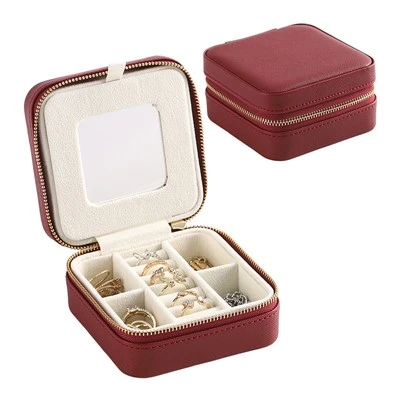
Let me break down the most common materials we use at our shop, plus why each one matters so much, whether you’re buying a dozen boxes for a retail line or stocking up for your own store. No stuffy, textbook jargon here—just real talk from someone who’s handled way more jewelry boxes than I can count.
First up: solid wood. This is the OG of jewelry box materials, right? I’ve seen pine, oak, mahogany, and even walnut get used, but let’s be real—mahogany and walnut are the go-tos for premium boxes. Why? Because solid wood is durable, has that warm, rich grain that makes a box look elegant, and it can handle being passed down through generations. Wait, but don’t sleep on pine! It’s way more affordable, lighter, and works perfect for casual jewelry boxes that don’t need to hold super expensive pieces. I remember a customer who bought 50 pine boxes for a summer craft fair—she painted them pastel colors and sold them for friend’s and family’s gifts. They held up great, no issues.
Now, what I get asked a lot: “Is ‘wood composite’ the same as solid wood?” Nope, not even close. Wood composite is things like MDF (medium-density fiberboard) or particle board. We use these for a ton of boxes, especially the mid-range ones. Why? They’re cheaper, don’t warp as easily as solid wood in humidity, and you can paint or veneer them super smoothly without any grain showing. The downside? They’re not as strong as solid wood—drop a wood composite box from a counter, and it might chip or break easier. But for everyday use, they’re totally fine. I’d never put a $1,000 necklace in a $20 particle board box, but for stud earrings or cheap bracelets, it works great.
Next, leather. Leather jewelry boxes are everywhere right now, and for good reason. They feel luxurious—soft, smooth, and have that nice patina that wears over time. We use both genuine leather and faux leather (vegan leather, as everyone calls it now). Genuine leather is thicker, lasts longer, and looks way better as it ages. Faux leather is cheaper, easier to clean, and doesn’t involve animal products, so it’s perfect for eco-friendly customers. One thing to note: leather can absorb moisture, so if you live in a super humid place, a leather box might get moldy if you don’t wipe it out every once in a while. We always tell customers that—no surprises, right?
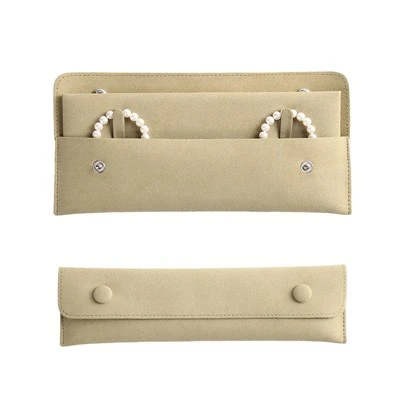
Wait, what about fabric? Fabric-covered boxes are super popular for gifts, especially when you want something cute and not too fancy. We use velvet, satin, and even cotton for these. Velvet is soft, so it’s great for lining the inside of the box to keep jewelry from scratching. Satin feels fancy, so it’s perfect for engagement ring boxes or bridal sets. The outside fabric is usually cotton or a blend, so you can get all sorts of patterns—floral, polka dots, whatever the customer wants. The downside? Fabric can get dirty easier, and the outer layer might tear if it’s handled roughly. But for a box that’s gonna be stored on a shelf or given as a gift, it’s ideal.
Plastic? Yeah, plastic jewelry boxes are a thing, though they’re mostly for the budget end of the market. We use hard plastic (like acrylic) for some display boxes or cheap travel boxes. Acrylic is clear, so you can see what’s inside, which is great for retail displays. The downside is it’s not as durable as wood or leather—scratch it, and you’ll see marks forever. Also, cheap plastic can look flimsy, so we only use it for specific products, not our main line.
And let’s not forget lining materials! This is a huge part of the box that people sleep on. The lining is what actually touches your jewelry, so it needs to be soft, non-abrasive, and sometimes even anti-tarnish. We use felt, velvet, and satin for lining most boxes. Felt is super cheap and soft, but it can build up static, which might affect delicate pieces like pearls. Velvet is thicker, softer, and doesn’t build up static as much—way better for fine jewelry. Satin is sleek, so it’s great for boxes that are meant to be shown off, like wedding boxes. For premium boxes, we also use anti-tarnish paper or fabric lining—it’s infused with chemicals that stop silver and other metals from tarnishing, which is a lifesaver for people who don’t want to polish their jewelry every month.
Now, I want to talk about why material choice matters more than you think. Let’s say you’re a small boutique owner. If you’re targeting customers who buy everyday jewelry (studs, bracelets, cheap necklaces), a fabric or wood composite box is perfect—it’s affordable, looks good, and works for their needs. But if you’re targeting customers who invest in fine jewelry—like diamond rings, gold necklaces—you need a solid wood or genuine leather box with a velvet or anti-tarnish lining. Those boxes tell your customer “this jewelry is valuable, and it deserves a special home.” We see this all the time—customers will come to us saying they need boxes that match the price point of their jewelry. If you skimp on the material, it makes the jewelry look less valuable, even if it’s not.
Another thing: sustainability. More and more customers are asking about eco-friendly materials these days, so we’ve been adding options for that. We use FSC-certified solid wood (meaning it’s harvested from sustainable forests), faux leather made from recycled materials, and even fabric made from organic cotton. A few months back, a customer from a big eco-friendly brand ordered 1,000 FSC wood boxes with organic cotton lining—she told me it was the biggest order we’d gotten that year, just because of the sustainable materials. So if you’re a business owner, that’s something to keep in mind—people will pay a little more for boxes that are kind to the planet.
I’ve had customers who’ve had bad experiences with the wrong material. One woman came to us a few years ago with a wooden jewelry box that had a particle board base—she kept it in her bathroom, which is humid, and the base warped so bad the lid wouldn’t close. She was so frustrated because it had been a gift from her grandma. We ended up making her a solid oak replacement, and she’s been a repeat customer ever since. Another customer had a leather box that got moldy because she never cleaned it—we told her how to maintain it, and now she buys leather boxes for all her sisters’ birthdays. That’s the thing about materials: it’s not just what you use, it’s how you take care of them.
So, if you’re in the market for jewelry boxes—whether you’re a retail store, a brand, or just someone buying a bunch for a gift line—don’t just look at the price or the color. Ask about the material. Think about what the boxes will be used for: are they for everyday wear, special occasions, travel? Are your customers into sustainable stuff, or do they want luxury? All of that ties back to the material.
We’ve been supplying jewelry boxes for years, and we’ve seen every material under the sun. From cheap plastic travel boxes to solid walnut heirloom pieces, we know how to pick the right one for your needs. If you’re not sure what kind of box you need, just reach out—we can walk you through the pros and cons, show you samples, and help you find something that fits your budget and your brand. We don’t do pushy sales here—just honest advice from people who love what we do.
If you’re ready to talk about bulk orders, custom designs, or just want to ask more about materials, don’t hesitate to get in touch. We’re here to help you find the perfect jewelry boxes for your needs.
Makeup Brush Tool Cases References:
- Jewelry Reports: Material Trends in Premium Gift Packaging, 2023
- Woodworking Network: Guide to Solid Wood vs. Composite Materials for Storage Products, 2022
- Leather Review: Care and Maintenance of Jewelry Box Leather, 2021
- Sustainable Packaging Coalition: Eco-Friendly Materials for Jewelry Packaging, 2023
- National Association ofJewelry Stores: 2022 Packaging Preference Survey for Retail Jewelers
Shenzhen Yingbosang Crafts and Gifts Limited
Shenzhen Yingbosang Crafts and Gifts Limited is one of the most professional jewelry boxes manufacturers and suppliers in China, also supports customized service. Please feel free to wholesale bulk premium jewelry boxes made in China here from our factory. For quotation, contact us now.
Address: No.8, Ruiji Road, Nanlian Community, Longgang, Shenzhen, Guangdong, China
E-mail: andyzeng@ybsgroup.cn
WebSite: https://www.ybsbox.com/
