Hey there, so you’re deep in the world of printing patches and keep asking one big question: what kind of ink actually works for this stuff? As a guy who’s been in the printing patch game for over 10 years—running a supplier that’s done everything from custom sports team patches to industrial gear labels—I’ve fielded this question more times than I can count. Let’s cut through the vague marketing talk and get into what actually works, what doesn’t, and why it matters so much for patches. No stuffy jargon, just real talk from someone who’s actually slinging ink and patches every week. Printing Patch
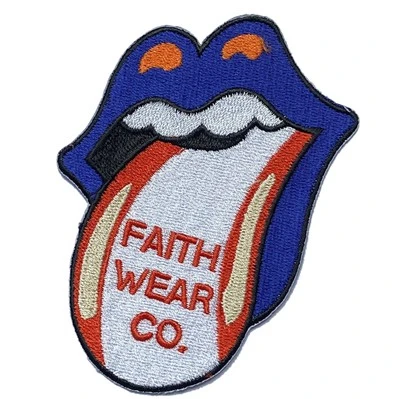
First off, let’s level set: printing patches isn’t like printing a poster or a flyer. Patches go through way more abuse than a piece of paper. They get sewn onto baseball caps, work jackets, hiking backpacks, tactical vests, even the collars of kids’ Halloween costumes. They get washed in hot water, thrown in dryers, dragged through dirt, sat on, rubbed against fences. If your ink isn’t built for that, you’ll end up with a patch that fades after one wash, or cracks when the patch bends, or peels off the backing before you even sew it on. Total waste of money, and no one wants that.
Now, let’s break down the main ink types we actually use in our shop, and why each has its place. No weird “magic ink” that’s too good to be true—just the stuff that’s proven itself over hundreds of thousands of patches.
First up: Plastisol Ink. This is the workhorse, plain and simple. If you’ve seen a patch that’s super vibrant, a little thick, and doesn’t crack even when you bend it double, it’s almost definitely plastisol. Here’s the deal: plastisol is a PVC-based ink that’s liquid at room temp, but when you heat it up (we cure ours in an oven at 320°F for like 45 seconds), it turns into a flexible, rubbery film that sticks like glue to fabric or patch backings. For us, 90% of the patches we print—custom team patches, brand logo patches, even those silly iron-on patches people sell on Etsy—use plastisol. Why? It lays down super opaque, so even if you’re printing a bright red design on a dark patch backing, you don’t get that see-through garbage that happens with other inks. It’s also crazy durable: we test our plastisol prints by washing a patch 50 times in hot water, throwing it in a dryer, and bending it 100 times, and still no fading, cracking, or peeling. That’s non-negotiable for work gear, tactical patches, or sports patches that get used and abused all season.
But wait, there’s a catch with plastisol: it’s not great for fine details. If you’re trying to print a tiny 1mm line or super delicate design, plastisol might fill in the gaps a little, because it’s a little thicker. So for high-detail patches—like a portrait of a wolf, or a logo with super thin lettering—we reach for the next one: Water-Based Ink. Don’t let the name fool you, this isn’t the same as the water-based ink you use in a home printer. It’s a specialized ink that uses water as a carrier, with pigments that bind to fabric (or patch backing) when the water evaporates. It’s way thinner than plastisol, so it lays down way finer details. We use water-based for those ultra-fancy custom patches, like those memorial patches or art patches that people frame instead of sew. The downside? It’s not as durable as plastisol. It fades a little faster, and if you wash it too harshly, it can wear thin. So we don’t recommend it for patches that go on work clothes or gear that gets washed all the time. But for patches that are more for show? It’s perfect—bright, detailed, and has a soft feel, not that rubbery plastisol texture.
Then there’s the third big one: Solvent-Based Ink. Wait, hold on—solvent? I know that sounds weird, but hear me out. Solvent-based inks use a chemical solvent (usually not the harsh stuff it sounds like these days, more modern eco-friendly versions) to carry pigments, and they cure by letting the solvent evaporate. Why do we use this? For patches that aren’t fabric-backed, like vinyl patches or rubber patches, or patches that go on non-porous surfaces? Water-based and plastisol don’t stick worth a damn there. Solvent ink bonds to smooth, non-porous materials like vinyl, polyester film, even metal if we’re doing specialized industrial patches. It’s also super weather-resistant—great for patches that go on outdoor gear, like bike jackets or camp flags, that get hit by sun, rain, and wind for years. The downside? It does have a little odor when it’s curing, so we have a vented booth for those prints, and we only use solvent when we have to. Not for standard fabric patches, but essential for specialty ones.
Wait, people always ask: what about eco-friendly inks? We get that a lot now—clients don’t want stuff that’s toxic, especially if the patch is for a kid’s jacket, or a brand that pushes sustainable products. We use a lot of water-based inks these days that are low-VOC (volatile organic compounds, the stuff that makes paint smell bad) and plastisol that’s PVC-free, which is way better than the old stuff. Solvent-based inks now have low-solvent versions too, so we’re not using the harsh stuff. If a client comes to us asking for 100% non-toxic, we can work with that—we just adjust the process a little. No weird chemicals, just ink that’s safe for everyone and everything.
Let’s talk about a common mistake people make: using regular screen-printing ink for paper or fabric on patches. I’ve seen this so many times—someone orders a cheap patch from a random printer, and it’s garbage. Why? Because regular T-shirt ink (if you’re not using plastisol) doesn’t cure properly on patch backings, which are usually a thicker polyester or cotton blend, or a vinyl backing. It cracks, fades, peels within one wash. That’s why it’s crucial to use ink formulated specifically for patch printing—those standard inks aren’t built for the extra abuse patches take.
Another thing: curing is just as important as the ink itself. I could give you the fanciest plastisol ink on the market, but if I don’t heat it enough, it won’t cure right. It’ll stay soft, peel off when you touch it, and fall apart after one wash. For water-based, if I don’t evaporate the water all the way, it’ll get moldy or fade. For solvent, if I don’t cure it in a vented area, the solvent stays trapped and the ink doesn’t bond. So the ink is half the battle, but the process matters too—something we obsess over in our shop.
Let’s give you a real example, just to make it concrete. Last month, we got an order from a local firefighter union for 500 patches for their jackets. They wanted big, bold, didn’t want them fading even after a dozen washes, and super tough for when they’re crawling through dirt at a fire scene. What’d we use? 100% vinyl-based plastisol ink, cured at 325°F for 50 seconds, on a thick cotton-poly patch backing. They came out perfect—we sent them a test patch, they washed it 10 times, no cracking, no fading, and the union loved it.
Another example: a small business owner came to us for custom art patches to sell on their website, like a cute cat design with super thin lines and a soft feel. We used low-VOC water-based ink, because plastisol would have made the lines too thick and the patch would feel rubbery, which didn’t fit their brand. Those patches are for display, not heavy washing, so water-based was the right call.
And we did a batch of tactical patches for a hunting gear company—they needed patches that would stay on their backpacks through rain, snow, and a year of being dragged through the woods. We used low-solvent solvent ink on vinyl patch backing, so it bonds to the smooth vinyl and doesn’t peel even when the patch is rubbed against tree branches. That’s exactly what they needed.
Now, if you’re a business owner or someone ordering patches, what should you ask your supplier? Don’t be afraid to ask, “What ink are you using for these patches?” If they give you a vague answer like “specialty ink,” run. The good suppliers will tell you exactly what ink they use, why it’s right for your needs, and even let you test a small batch to see how it holds up. At our shop, we send free test patches with all the info on what ink we used, how we cured it, and why we picked that ink for your specific order. No hidden stuff, no sales pitch—just real answers.
Look, I get it—when you’re ordering patches, you’re focused on the design, the price, the turnaround time. But the ink is what makes the patch actually usable. A $0.50 patch with the wrong ink is a waste of money, but a $1.50 patch with the right ink will last for years. That’s why we spend so much time on the ink stuff—because we’ve seen the difference, and our clients keep coming back because their patches don’t fall apart.

If you’re reading this and you need patches for anything—sports teams, work gear, custom brand swag, tactical stuff, even those silly patches for your backpack—hit us up. We can walk you through exactly what ink will work best for your needs, give you a fair quote, and make patches that actually last. No generic answers, no pushy sales reps, just real people who know their stuff when it comes to printing patches and the ink that makes them good.
Woven Patch/label References:
- Screen Printing: The Complete Manual by David L. Phillips
- Specialty Inks for Textile and Decorative Printing by John A. Miller
- ASTM Standard Test Methods for Detergents in Home Laundering Using Terg-O-Tometer, D4236-20
- “Eco-Friendly Ink Options for Fabric Printing” – Textile Printing Journal, 2022
- Performance Requirements for Decorative Patches, Military Specification MIL-PRF-39007, 2019
Yiwu Lanying Garment Accessories Co., Ltd.
As one of the most professional printing patch manufacturers and suppliers in China, we’re featured by quality products and good service. Please rest assured to wholesale premium printing patch at competitive price from our factory. Customized orders are welcome.
Address: F1,NO.448, Majiaotang Village, Houzhai Street, Yiwu City, Zhejiang Province, China 322000
E-mail: zhangchunyingzi@126.com
WebSite: https://www.embroideredpatchfactory.com/
