If you’re running a cafeteria or planning to launch a new one, the cost of commercial-grade equipment might be the biggest curveball in your startup or expansion budget. As a cafeteria equipment supplier, I hear this question at least three times a week: “Can I get a loan to purchase cafeteria equipment?” The short answer? Yes—though there’s a lot more to it than a simple “yes” or “no,” and that’s where I come in, having walked dozens of clients through this exact process over the past eight years. Let’s break this down like we’re sitting at your supply closet table, no jargon, no fancy spreadsheets I’ll show you later, just real talk about what works for cafeterias. Cafeteria Equipment
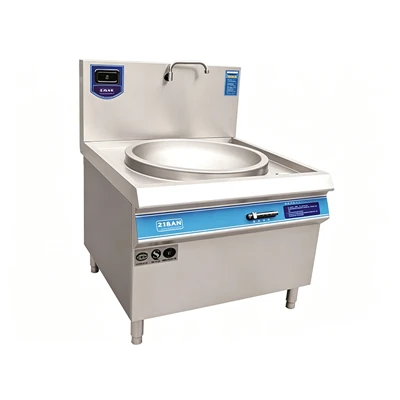
First, let’s get one thing straight: cafeteria equipment isn’t the same as a random office gadget or a one-time purchase for a personal use. A commercial dishwasher, a 10-burner range, walk-in coolers, and even the food prep tables—these are core to every day operations. If your oven breaks during breakfast rush, you don’t just lose money; you lose regular customers, and for cafeterias that rely on consistent foot traffic (especially school cafeterias, hospital staff cafeterias, or neighborhood spots), that’s a big hit. Lenders know this, which is why equipment loans are one of the most common, and most accessible, small business loans for food service operations.
Now, let’s talk about who this works for, because not every cafeteria owner will qualify for every loan. I’ve seen single-location neighborhood cafeterias with great local reviews get approved for a $20,000 loan for new prep equipment, and I’ve also seen a 3-location chain get a bigger loan for a new wash station. The key factors here are twofold: your business’s health, and the equipment itself. Lenders look at commercial cafeteria equipment as collateral—if you default on the loan, they can repossess the exact ovens, coolers, etc. That’s a way lower risk for them than an unsecured business line of credit, which is why equipment loans tend to have lower interest rates. That’s a huge win for you, because every extra point on a loan rate adds up over 5 or 7 years.
Wait, but what if you’re a brand new cafeteria? Like, you haven’t even opened the doors yet? I get that starting out feels like everything is a catch-22—you need equipment to make money, but you need revenue to get a loan. That’s where I see a lot of people slip up. I had a client last year who was opening a small university cafeteria, had his lease signed, his menu planned, but only had enough savings for half his equipment cost. He went to a traditional bank first, which asked for two years of business tax returns that he didn’t have yet. Then he came to me, and I connected him to equipment financing providers that work with pre-revenue food service businesses. They look more at your personal credit score (anything above 650 is solid) and your business plan—specifically, proof that your cafeteria will draw consistent customers. For his university spot, he had a letter of intent from the student association for 60% of daily meals, which was enough to get him approved for a loan that covered the other half of his equipment. That’s the kind of small, specific detail lenders care about, not just a generic “my business will be successful” pitch.
Let’s also talk about the different types of loans, because “equipment loan” is a broad term, and picking the right one matters. I don’t want you to take out a 7-year loan for a piece of equipment that will only last 5 years. That’s a waste of money. Commercial cafeteria equipment has a lifespan—ranges last about 10 years, prep tables 15, walk-in coolers 20, dishwashers 8. So when you’re picking a loan term, match it to the equipment’s expected life. That way, when the loan is paid off, your equipment is still going strong, and you don’t have to roll debt into replacing old gear. Another option is a capital lease, which acts like a loan where you pay for the use of the equipment, and at the end you can buy it for a nominal fee or upgrade to new equipment. That’s great for cafeterias that want to stay with up-to-date, energy-efficient gear—something all cafeterias are pushing for now to cut utility costs. A lot of my school cafeteria clients go this route, because they can swap out old, inefficient dishwashers for new ENERGY STAR models every 5 years without a big lump sum.
Now, let’s get real about the application process, because a lot of owners hear “loan” and zone out, thinking it’s going to be months of paperwork. I’ve streamlined this with my clients over the years, and it’s usually 3 to 4 weeks from application to delivery of equipment. First, you’ll need a few basic documents: your business’s tax returns (if you’re open), personal credit reports, a business plan or proof of customer demand (like that letter from the student association), and the exact quote for the equipment you’re buying. That last part is why using a reputable supplier like me helps—we provide detailed, itemized quotes that lenders accept immediately, no extra work from you. If you come with a vague list like “we need equipment for a cafeteria,” lenders will ask for the breakdown, and you’ll wait another week for that. I make sure my quotes include every piece: the 10-burner range, the reach-in coolers, the food prep tables, even the commercial coffee maker for the front counter. No hidden costs, so lenders know exactly what you’re spending.
Wait, but what if you have bad credit? Not everyone has a 750 credit score, especially for new business owners. I get that. Last year, a veteran client of mine had a credit score of 620, he was opening a veteran-focused cafeteria, and he needed to replace his old industrial oven that kept breaking down. He didn’t qualify for a traditional equipment loan, but we found a program that works for small business owners with credit as low as 600. The interest rate was a little higher, but it was still way better than taking out a payday loan or putting the cost on a credit card (which would have had a 25% interest rate). The key here is being upfront about your credit with both your supplier and the lender. I don’t sugarcoat it—if I know your credit is lower, I don’t waste your time applying for loans you won’t get. Instead, I point you to the programs that actually work for your situation, so you don’t have hard inquiries on your credit that hurt your score more.
Let’s also clear up a common myth: you can’t use a personal loan for cafeteria equipment. Technically you can, but it’s almost never a good idea. Personal loans usually have higher interest rates, no collateral (wait, no—your equipment is collateral, but personal loans don’t tie it directly to that specific gear, so lenders see it as higher risk), and you can’t write off the equipment as a business expense the same way you can with a commercial equipment loan. I always advise my clients to go for commercial equipment-specific loans over personal ones, even if it takes a little more work to apply.
Now, let’s talk about why I’m sharing this as a supplier, not just a random blogger. A lot of equipment suppliers will tell you “just take out this loan” without guiding you through the process, or they’ll only work with lenders that push their own overpriced gear. I’ve built my business on being the person who walks beside you, not just the one who sells you a range. I’ve sat through loan applications with clients, I’ve negotiated with lenders to lower rates for new cafeteria owners, I’ve even called lenders to confirm that a specific piece of equipment is eligible for financing (yes, some used equipment isn’t, but 99% of new commercial cafeteria equipment is). Last quarter, I helped three different clients get approved for loans that covered 100% of their equipment costs, no down payment. That’s a game-changer for someone who just opened a cafeteria and already spent money on a lease, permits, and staff.
I will say, though, there is one catch with no exceptions: you need to be buying from a reputable equipment supplier. I’ve had a client years ago who bought cheap, off-brand equipment from a guy on Craigslist, tried to get a loan for it, and the lender refused. Why? Because commercial-grade cafeteria equipment, especially from established brands, has a verifiable serial number, a documented lifespan, and is recognizable as collateral. Cheap, unbranded gear doesn’t have that, so lenders won’t touch it. That’s why it’s worth investing in reliable equipment from a trusted supplier—even if you have to finance it—because it’s not just the equipment itself, it’s getting the loan you need to buy it.
So, where do you go from here? If you’re a cafeteria owner (or soon-to-owner) looking to buy new equipment, the first step is to sit down and map out your needs: what’s broken, what’s too small for your growing foot traffic, what will help you save on utility costs. Then, reach out to a supplier that offers financing guidance, not just a price tag. I’m here for all of that. We can put together a custom quote for your exact space—whether it’s a 50-seat neighborhood cafeteria, a 500-student high school cafeteria, or a hospital staff cafeteria—and walk through all your loan options, no pressure, no fine print.

Don’t let the cost of cafeteria equipment stop you from giving your customers or staff the reliable, efficient space they deserve. A loan is a tool, not a debt trap, when you use it right. You just need someone who knows the food service space, knows the lenders that work with cafeterias, and can guide you through every step. If you’re ready to talk through your equipment needs and financing options, reach out to connect for a personalized consultation.
Stainless Steel Kitchen Equipment References:
- U.S. Small Business Administration, Equipment Financing for Small Businesses, 2024
- National Restaurant Association, 2023 Food Service Equipment & Financing Guide
- Commercial Food Equipment Association, Collateral Value of Commercial Foodservice Gear, 2023
- SCORE, Tips for New Food Service Owners on Securing Equipment Loans, 2024
Zhejiang Anneng Kitchen Equipment Co., Ltd.
As one of the most experienced cafeteria equipment manufacturers and suppliers in China, we also accept customized order. With abundant experience, we warmly welcome you to wholesale advanced cafeteria equipment in stock from our factory. For quotation, contact us now.
Address: No. 1003 Donghai Avenue, Taizhou Bay New Area, Taizhou City, Zhejiang Province
E-mail: 13968527240@163.com
WebSite: https://www.annengkitchen.com/
