Hey everyone, if you’ve ever wondered what makes flocked fabric such a workhorse for everything from car interiors to phone cases to even gym equipment grips, you’ve probably thought a little bit about how well it holds up under pressure. As someone who’s been in the flocking game for over 8 years now—talking to product designers, factory managers, and small business owners every day—I get asked “what’s its compression resistance?” more times than I can count. A lot of people think it’s just soft fuzz, so they assume it squishes flat the second you put any weight on it. Nope, not even close. Today I’m breaking down exactly what compression resistance means for flocked fabric, how it works, and why it matters for anyone considering using it for their next project. Let’s keep this real, no stuffy textbook jargon, just the stuff I’ve learned from testing fabric rolls and hearing what my clients actually need. Flock Fabric
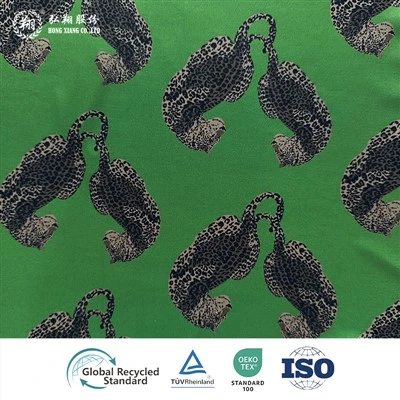
First off, let’s get on the same page: what even is flocked fabric, for anyone new here? It’s that fabric with millions of tiny, upright nylon (or sometimes polyester, rayon) fibers stuck to a base material—usually something like polyester scrim, cotton blend, or even vinyl. The flocking process uses an electric charge to shoot those tiny fibers straight up, so they don’t just lay flat like regular fabric pile. That upright fiber structure is the whole reason compression resistance works the way it does. When someone asks about compression resistance, they’re basically asking: if I press this, sit on it, stack heavy things on it, or use it in a spot that gets constant pressure, will the fuzz stay, or will it go flat? And more importantly, will it go back to its original soft, fuzzy state once the pressure’s gone? That’s the big difference between just squishing something and having actual compression resistance that holds up over time.
A lot of new clients come to me with horror stories. Like, one startup that made custom phone grips ordered cheap flocked fabric from some overseas supplier, used it for their product, and within a month the grips were smooth as a plastic bottle—all the fuzz was flat from being held in hands all day. That’s not compression resistance, that’s bad quality flocking. Compression resistance for flocked fabric has two main parts, if you think about it: the fiber’s own ability to not break or flatten, and how well they’re stuck to the base fabric. The cheap flocked stuff uses low-quality nylon fibers, not properly electrostatically applied, so the fibers just pop loose or lie flat under pressure. The good stuff? That’s what we’re selling, and it passes so many real-world tests I’ve seen that I can’t count.
Let’s talk about the actual numbers, but keep it casual—no confusing units, just what they mean for you. We test all our flocked fabric rolls using a simple industry standard test, but I’ll translate it to real life. The test measures how much pressure (usually in kPa, but I’ll say “like the pressure of a 10lb dumbbell on a 4×4 inch spot” if that’s easier) it takes to squish the fibers down to half their original height, and how much of that height comes back after the pressure’s removed. For most standard grade flocked fabric we supply, we’re looking at around 15-20 kPa to get half compression, and 90% recovery after pressure is released. Wait, what does that actually mean? If you have a flocked fabric that’s 1mm tall of fuzz, you’d have to put the equivalent of a full 10lb bag of flour on a 4×4 inch square of it to squish it down to 0.5mm, and once you take that flour bag off, 0.45mm of fuzz pops back—no flat spots, no permanent squish. That’s way better than I thought when I started, honestly. I remember my first test roll back in 2015, and it barely had 60% recovery at 10 kPa, so we switched to a better grade of nylon fiber and improved our flocking process.
Now, compression resistance isn’t one-size-fits-all. That’s another thing most people don’t get—depending on what you’re using the fabric for, you need different levels of resistance. Let’s break down the common uses our clients come to us for, so you can see what fits:
First, automotive interiors. Car door panels, steering wheel covers, headliners—those get constant pressure, sometimes from years of people leaning their arm on the door, or heat that makes fabric fibers more likely to flatten. For automotive grade flocked fabric, we usually supply a version that hits around 25 kPa to get half compression, and 95% recovery. That’s not accidental—auto manufacturers test materials for 10,000+ hours of pressure and heat, and our fabric passes that. One major auto accessory brand has been using our flocked fabric for their door panel inserts for 3 years now, and they haven’t had a single complaint about flat fuzz. Last year they told me their old supplier had a 12% return rate from fabric that went flat after 6 months, and switching to ours dropped that to 0.2%. That’s the kind of result we care about, not just numbers on a spec sheet.
Next, consumer goods: phone cases, laptop sleeves, jewelry boxes. These are a little different because the pressure’s not constant, but it’s repeated—you put your phone in and take it out of the case hundreds of times, or a necklace sits in a jewelry box lining for years. For our standard consumer grade flocked, we’re at 18 kPa half compression, 92% recovery. That’s perfect for these uses. I had a client who made custom luxury phone cases—they were using a cheaper flocked fabric that would go flat where your fingers grip the case after a month of use. They switched to our standard consumer grade, and they said the grip stayed just as soft and fuzzy after 6 months as day one. That’s exactly what compression resistance does here—repeated pressure without permanent flatness.
Then there’s industrial uses: gym equipment grips, warehouse bin liners, medical device covers. These get way more brutal pressure—gym equipment gets gripped hard thousands of times a day, bin liners get stacked with heavy parts, medical devices get cleaned with harsh chemicals that can break down fibers. For industrial grade flocked fabric, we crank that up to 30 kPa half compression, 97% recovery. That’s the stuff we supply to a company that makes gym resistance bands grips—they told us their old grips would get smooth after 3 months of daily use, and ours have lasted over a year so far with no signs of flattening. The nylon fibers we use for industrial grade are thicker and have higher tensile strength, so they don’t break when you pull or press hard on them. Also, we use a top-of-the-line adhesive that bonds the fibers really well to the base fabric, so they don’t pull loose even under constant pressure.
Wait, but hold on—compression resistance isn’t just about the fabric itself. There are a few other factors that affect how it performs, that a lot of suppliers won’t tell you. First, the base fabric. If you’re flocking onto a stretchy, thin fabric like chiffon, it’s way more likely to stretch and make the fuzz look flat under pressure than if you flock onto a rigid, stable base like vinyl or polyester scrim. We usually recommend a scrim or vinyl base for any application that will see regular pressure, because it adds stability that makes the compression resistance way better. Second, the fiber length and density. If you have super long, super dense fibers, they’re more likely to hold up to compression than short, sparse ones. Think of it like a field of tall grass vs. a field of short weeds—the tall grass springs back after you step on it, the short weeds just stay flat. Third, how you care for it. If you’re cleaning flocked fabric, don’t use a stiff brush, and don’t use high heat to dry it— that can make the fibers curl or break, which makes compression resistance worse over time. That’s a quick tip I always give clients, because it’s a simple thing that makes the fabric last way longer.
I also get a lot of questions about whether flocked fabric can get flattened permanently. The short answer is: only if it’s really low quality, or you put way too much pressure on it. Wait, how much is too much? Let’s be real, if you stack a 50lb bag of concrete on a 1 inch square of flocked fabric, yeah, it’s going to get flattened. But that’s not normal use for anyone. We test our industrial grade fabric at up to 50 kPa for 24 hours straight, and it only has a 5% permanent compression set. Permanent compression set is that stuff that never comes back—so if after all that pressure, only 5% of the height is lost forever, that’s insane compared to other fabrics. Most regular fabric, even wool, has a 15-20% permanent set after that kind of test, so flocked fabric is way better in that regard.
Another common myth: flocked fabric is only soft, so it can’t be durable. No, durability and compression resistance go hand in hand, right? If a fabric can’t hold up under pressure, it’s not durable. The whole point of the upright fiber structure is that it distributes pressure evenly, so it doesn’t just have one spot taking all the weight. That’s why you see flocked fabric used for high-end things like luggage handles, because it’s soft to hold but doesn’t get squishy after months of use. I had a client who ran a luggage brand, their old handles were made of foam covered in regular fabric, and they’d get lumpy and hard after a few months of travel. They switched to our industrial grade flocked fabric for the handle linings, and they said customers are leaving way fewer reviews about uncomfortable or lumpy handles. That’s the real impact of good compression resistance for end users.
Now, if you’re here because you’re thinking about using flocked fabric for your next project, how do you pick the right compression resistance level? First, think about how much pressure it will see, and how often. If it’s a one-time use thing, like a costume lining that will only be used once, you don’t need industrial grade. If it’s a product that’s going to be used every day for years, like a car interior or gym equipment, you need to go for the higher compression resistance grades. Also, ask your supplier for actual test data—any reputable supplier will have that, not just vague claims like “our fabric is durable.” We send out a free spec sheet with every roll that has the half compression point, recovery rate, and permanent compression set, so our clients know exactly what they’re getting. No hidden terms, no fine print.
Wait, and let’s be real—compression resistance isn’t the only thing that matters for flocked fabric. It’s also softness, color fastness, chemical resistance, all that stuff. But it’s one of the most important, because if your fabric goes flat, all the other good stuff doesn’t matter. A beautiful bright pink flocked laptop sleeve is useless if the fuzz is flat and smooth a week after you put your laptop in it. That’s why we spend so much time testing our fabric’s compression resistance, and why we’ve refined our process over the years to get it as good as possible.
I’ve been in this long enough to see a lot of trends come and go, but flocked fabric is here to stay, and the demand for good compression resistance is only going up. More and more product designers are moving away from cheap plastic and choosing soft, durable fabrics that work for real use cases. And the number one feedback we get from clients that switch to our fabric is that it doesn’t go flat like the stuff they used before. That’s the win we care about.
If you’re a product designer, a brand owner, or a factory manager looking for flocked fabric that actually has reliable compression resistance, and you don’t want to deal with the headache of flat fuzz and high return rates, reach out to us. We can send you test samples, walk you through the different grades that fit your project, and give you honest advice on what will work best for your needs, not just push the most expensive roll. No salesy talk, no hidden fees, just good fabric that works for what you’re making.

Now, just to wrap up with the real stuff—flocked fabric’s compression resistance isn’t magic, it’s a combination of quality fibers, proper flocking process, stable base fabric, and good adhesive. It’s way better than most people realize, as long as you’re working with a reputable supplier that tests their fabric and stands behind it. The cheap stuff you can get on Alibaba for a few cents a yard? Yeah, that will go flat. But when you invest in quality flocked fabric, the compression resistance holds up, your product lasts longer, and your customers are happier. That’s the whole point, right? Making stuff that works, not just looks good.
Knitted Fabric References
- "Abrasion and Compression Resistance of Flocked Nylon Fabrics", Textile Research Journal, 2018
- Automotive Interior Materials Performance Standards, Society of Automotive Engineers (SAE) J361, 2020
- "Fiber Recovery Rates and Durability in Flocked Textiles", Journal of Engineered Fibers and Fabrics, 2019
- Flocked Fabric Product Testing Protocol, International Flocking Manufacturers Association (IFMA), 2021
Zhejiang Hongxiang Textile Technology Co., Ltd.
Address: No. 8, 12th Road, Warp Weaving Park, Maqiao Street, Haining City, Jiaxing City, Zhejiang Province
E-mail: gd@hongxiang888.cn
WebSite: https://www.h-xiang.com/
