If you’ve ever worked in manufacturing, construction, utility, or even smart home setup, you’ve probably relied on industrial distribution boxes without even noticing. These aren’t your flimsy plastic home breaker boxes—they’re tough, weatherproof, and built to hold all the circuit breakers, bus bars, and wiring that keep heavy machinery, warehouse lighting, and power grids running smoothly. As a supplier who’s been in this game for a hot minute, I get asked nonstop: “What industrial distribution box brands actually hold up, and which ones should I stock (or buy for my team)?” Industrial Distribution Box
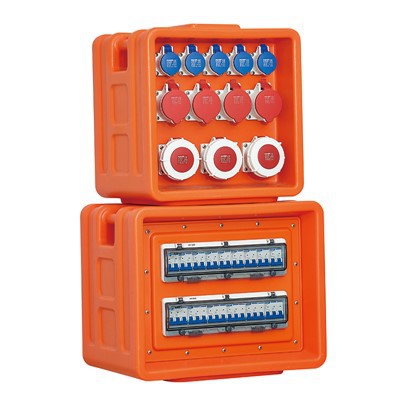
First off, let’s cut through the noise. There are tons of brands out there, but only a handful have earned their spot because they balance durability, compliance, and actually listening to what installers and end-users need. I’m not here to shill for every random brand that popped up on Amazon last year—these are the ones I see working on job sites across North America, from small factories in Ohio to wind farms in Texas. Let’s break ‘em down by why they’re popular, not just by name.
Siemens – The Workhorse No One Questions
Siemens is like the dad of industrial distribution boxes. You know they’re reliable, you’ve probably used their parts on a job you did 5 years ago, and no one’s ever gotten in trouble for specifying them. Their line of Sentron distribution boxes is the go-to for commercial and industrial setups. What makes them stand out? They’re built to meet global standards—think IEC 60439 and NEC, which matters a lot when you’re dealing with code inspections. The enclosures are usually galvanized steel or polyester, so they take a beating from dust, rain, or even minor impacts on a busy loading dock.
I see a lot of electrical contractors reach for Siemens when they need a box that can handle high amperage (like 200A to 1200A) without breaking the bank on custom builds. The only tiny gripe some installers have is that their pre-wired boxes can be a bit bulkier than smaller brands, but that tradeoff for reliability is worth it. Plus, their tech support is actually helpful—if you have a question about a box’s specs, you don’t have to wait 3 days for a response, which is huge when you’re behind on a deadline.
ABB – The Tech-Focused Pick for Smart Facilities
If Siemens is the workhorse, ABB is the cool kid that’s also super serious about its job. Their MNS and UNITROL distribution boxes are popular right now because they’re built for smart industrial setups—think factories that use IoT sensors to monitor power usage, or warehouses that need remote circuit monitoring. Their boxes have modular components, so you can adjust how many circuits you have without replacing the whole unit. That’s a game-changer for facilities that are expanding or updating their systems every few years.
What I love about ABB is they don’t cut corners on safety. Their boxes have built-in arc flash protection, which is a big deal for installers who don’t want to get hurt on the job. They’re also great for harsh environments—like offshore rigs or mining sites where corrosion is a problem. The only thing to note? ABB boxes tend to be a bit pricier than some others, but if you need smart features and long-term durability, it’s worth the splurge. I recently sold a batch of ABB smart distribution boxes to a food processing plant that wanted to track energy usage across their production lines, and they haven’t had a single issue in 8 months.
Eaton – The Underdog That Punch Above Its Weight
Okay, Eaton might not be as flashy as Siemens or ABB, but they’re a staple for small to mid-sized industrial operations. Their B-Line series distribution boxes are affordable, versatile, and easy to install—perfect for contractors who don’t want to waste time on complicated setups. I see a lot of startup manufacturing shops or small construction companies reach for Eaton because their boxes come in so many sizes, from 30A residential-style boxes adapted for light industrial use up to 600A units for heavy machinery.
What makes Eaton popular? They actually listen to installers. A few years back, they updated their boxes to have tool-less wiring connections, which cuts down on installation time by like 20%—that’s a big win for job sites on tight schedules. They also have great customer support for small businesses, which is a huge plus when you’re not dealing with a massive corporation’s supply chain. The only downside is their high-amperage units aren’t quite as rugged as Siemens or ABB for extreme conditions, but for most indoor or mild outdoor jobs, they’re unbeatable for the price.
Legrand – The Go-To for Commercial Light Industrial and Data Centers
If you’re setting up a data center or office warehouse, Legrand is the brand everyone turns to. Their Plexo and OptiLine distribution boxes are sleek, compact, and designed for clean, organized setups. They’re super popular in Europe too, so a lot of international contractors rely on them for cross-border projects. What I like about Legrand is their focus on space—their boxes are smaller than most competitors, so you can fit more circuits in a tight closet or utility room, which is a lifesaver in data centers where every square foot matters.
They’re also great for low-voltage setups, like security systems, LED lighting, or EV chargers (which is huge right now as more facilities add EV charging stations). I sold a batch of Legrand boxes to a mall that was upgrading their parking lot EV chargers, and they’ve held up through all the rain and foot traffic without a single fault. The only thing to keep in mind is they’re less common for heavy industrial 1000A+ setups, so if you’re dealing with massive machinery, you might want to pair them with a higher-amperage Siemens or ABB unit for the main feed.
How We Pick Brands for Our Inventory
As a supplier, I don’t just pick brands because they’re popular— I test them myself and ask the guys who actually use these boxes every day. I spend a lot of time on job sites, hanging out with electrical contractors and facility managers, and they’ll tell you straight up if a box is garbage. For example, I once had a contractor tell me a no-name brand he bought had a enclosure that rusted through in 6 months, so I dropped it from our inventory immediately.
The brands I mentioned above all pass the “job site test”: they meet OSHA and NEC standards, have replacement parts available when something breaks, and don’t require a degree to install. I also make sure we stock a mix of price points—we’ve got budget-friendly Eaton boxes for small shops, mid-range Siemens for general manufacturing, and ABB smart boxes for facilities that want to future-proof their setup.
Quick Tips for Picking the Right Brand for Your Project
Before you buy, don’t just go for the most popular brand. Ask yourself: What am I powering? If it’s a small warehouse with EV chargers, Legrand or Eaton is perfect. If it’s a heavy industrial plant with 1000A machinery, Siemens or ABB is the way to go. Also, think about your location—if you’re in a humid, coastal area, you need boxes with corrosion-resistant enclosures, which all these brands offer, but some are better than others.
Another thing: Don’t sleep on local brands, especially if you’re in a niche market. A lot of small regional brands make solid boxes for local job sites, and their customer service is way more personal than the big guys. I’ve worked with a small brand out of Chicago that makes custom distribution boxes for steel mills, and they’re great if you need something not off the shelf. But for most general industrial projects, the big four I mentioned are your best bet for consistent quality.
Wrapping It Up

At the end of the day, popular industrial distribution box brands all have one thing in common: they’ve earned trust. Installers and facility managers don’t stick with a brand because it’s trendy—they stick with it because it doesn’t fail when they’re under pressure. I’ve seen first-hand how a bad distribution box can bring an entire factory to a stop, so I only stock brands that I know won’t let my customers down.
By Material If you’re out looking for distribution boxes for your next project, whether you’re a contractor, facility manager, or just someone who needs to power heavy equipment, I’d be stoked to chat. We can go over your specific needs, share quotes, and even help you figure out which brand makes the most sense for your setup. No pushy sales stuff, just honest advice from someone who’s been in this industry for years.
References
- National Electrical Manufacturers Association (NEMA). (2022). Standards for Industrial Control and Distribution Enclosures.
- Occupational Safety and Health Administration (OSHA). (2023). Electrical Safety Standards for Industrial Power Systems.
- International Electrotechnical Commission (IEC). (2021). IEC 60439-1: Low-voltage switchgear and controlgear assemblies.
- Electrical Construction & Maintenance (EC&M) Magazine. (2024). 2024 Top Brands for Industrial Distribution Equipment.
Apeks Electric Co., Ltd.
As one of the leading industrial distribution box manufacturers and suppliers in China, we also support custom service. With abundant experience, we warmly welcome you to wholesale high quality industrial distribution box from our factory. Welcome to view our website for more information.
Address: No.2 Yuyao Rd, Yuxin, Nanhu District, Jiaxing, China
E-mail: kevin@apekselectric.com
WebSite: https://www.powerdistros.com/
