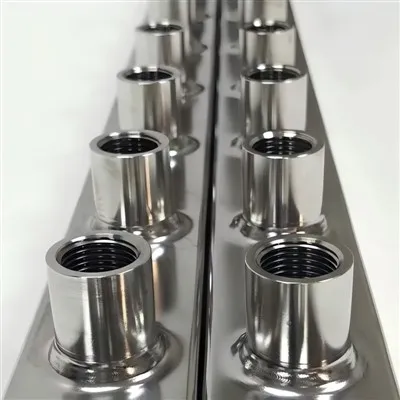
Hey there! I’m a supplier of spirally wound stainless steel tubes, and I’ve got a ton of experience in this field. One of the most common questions I get from my customers is how to ensure the long – term performance of these tubes. Well, let me break it down for you. Spirally Wound Stainless Steel Tube
Material Selection
First things first, the quality of the stainless steel used is super important. I always make sure to source high – grade stainless steel for our spirally wound tubes. Different grades of stainless steel have different properties, and for long – term performance, you need to pick the right one.
For example, if your tubes are going to be used in a corrosive environment like in a chemical plant or near the ocean, austenitic stainless steels like 316 or 316L are great choices. These grades contain molybdenum, which gives them excellent resistance to corrosion from things like saltwater and certain chemicals.
On the other hand, if you need high strength and don’t need as much corrosion resistance, some of the ferritic stainless steels might do the trick. They’re often cheaper and can handle a good amount of stress.
I’ve seen some suppliers skimp on the material quality to cut costs, but that’s a big no – no in my book. Investing in the right stainless steel from the start is like laying a solid foundation for a building. It’ll pay off in the long run, trust me.
Winding Process
The way the tube is spirally wound also plays a huge role in its long – term performance. At our place, we’ve got some state – of – the – art winding machines. These machines are calibrated to ensure a consistent pitch and tension throughout the winding process.
If the pitch is too wide or the tension is inconsistent, it can lead to issues down the road. For instance, uneven tension can cause stress points in the tube, which might lead to cracks or leaks over time. That’s why we have strict quality control measures during the winding process.
Our operators are highly trained, and they constantly monitor the winding machines. They check things like the speed of winding, the alignment of the stainless steel strip, and make sure that everything is going smoothly. We also have in – process inspections to catch any potential problems early on.
Surface Treatment
Surface treatment can significantly enhance the long – term performance of spirally wound stainless steel tubes. One of the most common treatments we offer is passivation. Passivation is a chemical process that removes free iron from the surface of the stainless steel and creates a thin, protective oxide layer.
This oxide layer acts as a barrier against corrosion. It’s like a shield for your tube, keeping it safe from the elements. We also offer electropolishing for some of our tubes. Electropolishing not only improves the corrosion resistance but also gives the tube a smooth, shiny finish. This smooth finish can reduce friction and make it easier to clean the tube, which is great for applications where cleanliness is important, like in the food and beverage industry.
Installation
Proper installation is key to ensuring the long – term performance of these tubes. I always tell my customers that they should hire experienced installers who know how to handle spirally wound stainless steel tubes.
When installing the tubes, it’s important to make sure that they’re properly supported. If the tubes aren’t supported correctly, they can sag or bend under their own weight or the weight of the fluid or gas they’re carrying. This can lead to premature wear and failure.
Also, the connections between the tubes need to be done right. We offer a variety of connection options, like flanges and threaded connections. The installers should follow the manufacturer’s guidelines when making these connections to ensure a tight, leak – free joint.
Maintenance
Regular maintenance is essential for keeping the spirally wound stainless steel tubes in good condition. I recommend that my customers set up a maintenance schedule. This schedule should include things like visual inspections, pressure tests, and cleaning.
During visual inspections, you can look for any signs of damage, like scratches, dents, or corrosion. If you catch these issues early, you can take steps to fix them before they become major problems. Pressure tests can help you check for any leaks or weaknesses in the tube. And cleaning the tubes regularly can prevent the buildup of debris, which can cause blockages or corrosion.
We also provide our customers with detailed maintenance instructions. These instructions include the recommended cleaning agents, the frequency of maintenance, and what to look out for during inspections.
Monitoring
In addition to regular maintenance, continuous monitoring can also help ensure the long – term performance of the tubes. There are various monitoring techniques available, such as using sensors to measure pressure, temperature, and flow rate.
By monitoring these parameters, you can detect any changes that might indicate a problem with the tube. For example, a sudden drop in pressure could mean that there’s a leak in the tube. Early detection of these issues allows you to take corrective actions quickly, which can save you a lot of time and money in the long run.
Training
We offer training programs for our customers’ staff. These programs are designed to teach them how to handle, install, maintain, and monitor our spirally wound stainless steel tubes. By having well – trained staff, you can be sure that your tubes are being taken care of properly.
The training programs cover everything from the basics of stainless steel properties to advanced maintenance techniques. We also provide hands – on training so that the staff can get real – world experience working with our tubes.
Conclusion
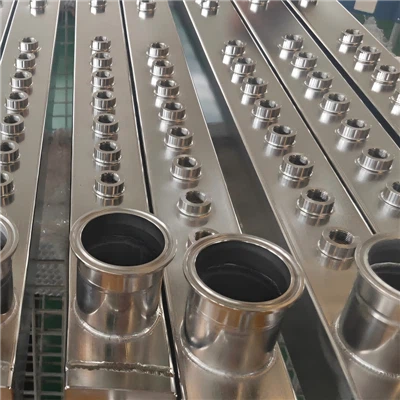
Ensuring the long – term performance of spirally wound stainless steel tubes requires a combination of good material selection, a proper winding process, appropriate surface treatment, correct installation, regular maintenance, continuous monitoring, and well – trained staff.
Wound Fin Stainless Steel Tube If you’re in the market for spirally wound stainless steel tubes and want to make sure you get the best long – term performance, don’t hesitate to reach out. We’re here to help you every step of the way, from choosing the right tube to providing after – sales support. Whether you’re working on a small project or a large – scale industrial application, we’ve got the expertise and the products to meet your needs. So, if you’re interested, just get in touch, and we can start a discussion about your specific requirements.
References
- ASM Handbook Committee. (2004). ASM Handbook Volume 13C: Corrosion: Stainless Steels. ASM International.
- Schweitzer, P. A. (2005). Corrosion Resistance Tables, Fourth Edition. McGraw – Hill.
- Welding Journal. Various issues on stainless steel welding and fabrication techniques.
China Super Tech Co., Ltd.
As one of the most professional spirally wound stainless steel tube manufacturers and suppliers in China, we’re featured by quality products and good service. Please rest assured to wholesale OEM spirally wound stainless steel tube from our factory. Also, custom service is available.
Address: Wangjing Science and Technology Park, Guangshun North Street, Chaoyang District, Beijing
E-mail: sales@316liquidcooling.com
WebSite: https://www.316liquidcooling.com/
