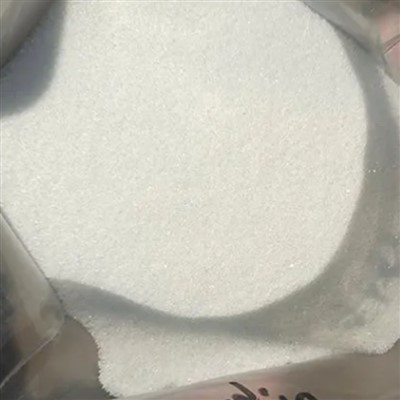
As a supplier of slaked lime powder, I’ve often been asked about the potential impacts of this product when it’s released into water bodies. Slaked lime, also known as calcium hydroxide (Ca(OH)₂), is a widely used chemical with various industrial and agricultural applications. However, its introduction into aquatic environments can have significant consequences for aquatic life. In this blog, I’ll delve into the scientific aspects of these impacts, shedding light on both the positive and negative effects. Slaked Lime Powder
Chemical Properties of Slaked Lime Powder
Before discussing its impacts on aquatic life, it’s essential to understand the chemical properties of slaked lime powder. When slaked lime is added to water, it dissociates into calcium ions (Ca²⁺) and hydroxide ions (OH⁻). This process increases the pH of the water, making it more alkaline. The solubility of slaked lime in water is relatively low, but it can still have a substantial impact on the water’s chemical composition, especially in small or enclosed water bodies.
Positive Impacts on Aquatic Life
pH Regulation
One of the primary positive impacts of slaked lime powder on aquatic life is its ability to regulate pH. In some cases, water bodies may become too acidic due to acid rain, industrial pollution, or natural processes. Acidic water can be harmful to many aquatic organisms, as it can disrupt their physiological processes and damage their tissues. By adding slaked lime to the water, the pH can be raised to a more neutral or slightly alkaline level, which is more favorable for the survival and growth of many aquatic species.
Nutrient Availability
Calcium ions released from slaked lime can also have a positive effect on nutrient availability in water bodies. Calcium is an essential nutrient for many aquatic organisms, including plants, invertebrates, and fish. It plays a crucial role in the formation of shells, bones, and cell membranes. By increasing the calcium concentration in the water, slaked lime can enhance the growth and development of these organisms. Additionally, calcium can react with other nutrients, such as phosphorus, to form insoluble compounds, which can help to reduce the availability of excess nutrients in the water and prevent eutrophication.
Water Clarity
Slaked lime can also improve water clarity by causing suspended particles to settle out of the water. When slaked lime is added to water, the hydroxide ions react with the positively charged particles in the water, causing them to clump together and settle to the bottom. This process, known as flocculation, can help to remove sediment, algae, and other contaminants from the water, making it clearer and more suitable for aquatic life.
Negative Impacts on Aquatic Life
pH Shock
While slaked lime can be beneficial for regulating pH, it can also cause pH shock if added in excessive amounts or too quickly. Sudden changes in pH can be extremely stressful for aquatic organisms, as they are adapted to living within a specific pH range. A rapid increase in pH can cause damage to the gills, skin, and other tissues of fish and invertebrates, making them more susceptible to disease and death. Additionally, pH shock can disrupt the balance of the aquatic ecosystem, affecting the growth and survival of other organisms.
Oxygen Depletion
The addition of slaked lime to water can also lead to oxygen depletion. When slaked lime reacts with water, it releases heat, which can increase the temperature of the water. Warmer water holds less dissolved oxygen than cooler water, which can lead to a decrease in the oxygen levels in the water. Additionally, the flocculation process can cause the sediment at the bottom of the water body to become stirred up, which can release organic matter and other substances that consume oxygen as they decompose. This can further reduce the oxygen levels in the water, making it difficult for aquatic organisms to survive.
Toxicity to Aquatic Organisms
Slaked lime can be toxic to some aquatic organisms, especially in high concentrations. The hydroxide ions released from slaked lime can react with the proteins and enzymes in the cells of aquatic organisms, causing damage to their tissues and disrupting their physiological processes. Additionally, the calcium ions can react with other substances in the water, such as heavy metals, to form insoluble compounds that can be toxic to aquatic organisms. Some species of fish, invertebrates, and plants are more sensitive to the effects of slaked lime than others, and the toxicity can vary depending on the species, the concentration of slaked lime, and the duration of exposure.
Mitigating the Negative Impacts
To minimize the negative impacts of slaked lime powder on aquatic life, it’s important to use it responsibly and follow proper application procedures. Here are some tips for mitigating the negative impacts:
- Use the Right Amount: Before adding slaked lime to a water body, it’s important to determine the appropriate amount based on the size of the water body, the current pH level, and the desired pH range. Adding too much slaked lime can cause pH shock and other negative effects, while adding too little may not have the desired effect.
- Add Slowly: To avoid pH shock, it’s important to add slaked lime to the water slowly and gradually. This allows the aquatic organisms to adjust to the changes in pH and reduces the risk of stress and damage.
- Monitor the Water Quality: After adding slaked lime to the water, it’s important to monitor the water quality regularly to ensure that the pH and other parameters are within the desired range. This can help to detect any potential problems early and take appropriate action to mitigate them.
- Consider Alternative Solutions: In some cases, there may be alternative solutions to using slaked lime to achieve the desired results. For example, instead of using slaked lime to raise the pH of a water body, it may be possible to use other substances, such as sodium carbonate or potassium hydroxide, which are less likely to cause pH shock and other negative effects.
Conclusion
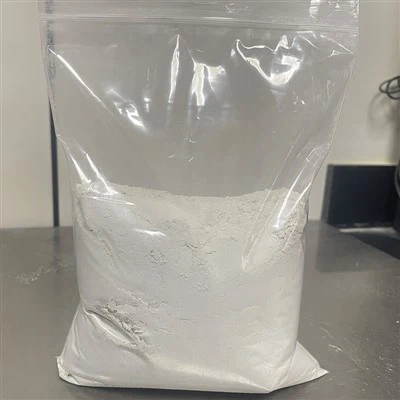
In conclusion, slaked lime powder can have both positive and negative impacts on aquatic life when released into water bodies. While it can be beneficial for regulating pH, improving nutrient availability, and enhancing water clarity, it can also cause pH shock, oxygen depletion, and toxicity to some aquatic organisms. To minimize the negative impacts, it’s important to use slaked lime responsibly and follow proper application procedures. If you’re considering using slaked lime in a water body, I recommend consulting with a qualified environmental professional to ensure that it’s used safely and effectively.
Slaked Lime Powder If you’re interested in purchasing slaked lime powder for your industrial or agricultural needs, I’d be happy to discuss your requirements and provide you with a quote. Please feel free to contact me to start the procurement discussion.
References
- Environmental Protection Agency. (2019). Water Quality Standards. Retrieved from [EPA Website]
- National Oceanic and Atmospheric Administration. (2020). Aquatic Life Criteria. Retrieved from [NOAA Website]
- United States Geological Survey. (2021). Water Chemistry. Retrieved from [USGS Website]
Chaohu Jirun Energy Conservation and Environmental Protection Technology Co., Ltd.
We’re well-known as one of the leading slaked lime powder manufacturers and suppliers in China, also support customized service. Welcome to wholesale high quality slaked lime powder in stock here from our factory. If you have any enquiry about pricelist, please feel free to email us.
Address: No. 9, north of the intersection of Weihai Road and Weili Avenue, within the industrial park of Yinping Town, Chaohu City, Hefei City, Anhui Province.
E-mail: 13305654485@163.com
WebSite: https://www.chaohujirun.com/
