Hey there! If you’ve ever stood in front of a drilling machine—whether it’s a benchtop model in your workshop or a heavy-duty floor unit on a production floor—you know how it feels. That mix of “this is gonna get the job done fast” and a quiet, nagging thought about what could go wrong if you cut corners. I’ve been selling drilling machines for years, and let me tell you: the number one mistake I see new (and even some seasoned) operators make is assuming “it’ll never happen to me.” Spoiler: accidents don’t care how long you’ve been using a drill press. Let’s break down how to use these machines safely, no fancy jargon—just stuff I’ve seen work (and what I’ve seen when things go sideways). Drilling Machine
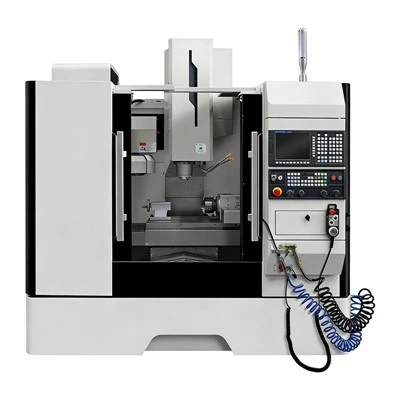
First off, before you even plug in the machine or reach for a drill bit, do a quick check of the setup. I can’t tell you how many times a customer has picked up their new drill press from my warehouse, skipped the pre-use check, and ended up with a broken bit (or worse) 10 minutes in. Let’s start with the drill bit itself. Dull bits don’t just make you push harder—they slip, vibrate like crazy, and can yank the machine (or your workpiece) right where you don’t want it. Also? Always make sure the bit is clamped tight in the chuck. A loose bit is a ticking time bomb. I had a guy last year who was drilling a steel plate, and his 1/2-inch bit slipped half-way through. It spun out, nicked his wrist, and he had to take two weeks off. Don’t be that person—snug up the chuck key, and double-tap it to make sure it’s seated before you turn the machine on.
Next up: the workpiece. This is huge, and it’s something that even people who’ve been around drilling machines for decades mess up. Never, ever hold a workpiece with your bare hands. I don’t care if it’s a 2×4 or a thin metal sheet—one slip and that drill bit will grab it, spin it, and you’ll be chasing it across the shop floor. Use clamps, a vise, whatever you’ve got. I always tell customers: if you can’t see a clear path for the bit to go through without hitting something (like your fingers, the workbench, or the vise itself), adjust the setup. Also, remove any loose items from the workpiece—like screws, nails, or even stray tape. I had an incident a few months back where a guy was drilling a pallet, and a loose nail got caught in the bit. It flew off, hit the wall, and chipped a tile. Not dangerous, but it’s avoidable. Oh, and wear gloves? Wait, no—wait a second. Thin, cut-resistant gloves are fine for handling workpieces before or after drilling, but never while the machine is running. Gloves can catch on spinning parts in half a second. I’ve seen a guy’s glove get pulled into the chuck; he was lucky to only lose a fingernail, not a finger. Rule of thumb: if it’s near a moving part, keep your hands bare (or as bare as possible).
Now, when you’re ready to actually drill. There’s a trick here that a lot of new operators don’t know: start slow. Don’t crank the speed to max right out the gate. Different materials need different speeds—soft stuff like wood can handle higher speeds, while metal or plastic needs lower speeds. Most drill presses have a speed chart on the side, if you take two seconds to glance at it. I know, I know—you’re in a hurry to finish that project, but spending 10 seconds adjusting the speed is way better than spending hours in the ER. Also, use a backup board for thin materials. If you’re drilling through a thin metal sheet or a piece of plywood, a backup board prevents the bit from grabbing the back side and tearing the material. I always keep a scrap piece of MDF in my shop for this exact reason—costs like $5, saves you from ruining a $20 sheet of wood.
Let’s talk about the boring stuff, but it’s non-negotiable: personal protective equipment (PPE). I’m not gonna stand here and tell you to wear a hazmat suit—just the basics. Safety glasses are a must. Metal shavings, wood chips, even plastic dust can fly at 50+ mph when you’re drilling, and they can scratch your eye or lodge in it. I once had a customer who skipped glasses because it was “just a small drill press job” and ended up with a steel shaving in his eye. He had to go to the emergency room, and he hasn’t missed wearing glasses since. If you’re drilling something that generates a lot of dust—like drywall or pressure-treated wood—add a dust mask. Earplugs too, if the machine is loud (and let’s be real, all drilling machines are). Pro tip: if you can’t hear someone talking next to you without yelling, wear ear protection. That’s not overkill—it’s just smart.
Now, post-drill habits. When you’re done drilling, turn the machine off, unplug it (or shut off the power to the bench if it’s a dedicated unit), and wait for the bit to stop spinning all the way before you do anything. Don’t try to pull the bit out while it’s still moving—you’ll get a grooved mark in your workpiece, or worse, it’ll catch. Also, clear the work area right away. Put the drill bits back in their case, return the clamps to the storage bin, sweep up the shavings (metal shavings are sharp, by the way—they can cut your feet if you step on them barefoot). I see people leave shavings on the bench all the time, and it’s a slip hazard. If you have a coolant system for metal drilling, make sure you drain it or turn it off too—leaving coolant in the lines can cause corrosion over time, which shortens the life of your machine.
Wait, what about the machine itself when you’re not using it? This ties into safety too, because a well-maintained machine is a safe machine. I service a lot of the drilling machines I sell, and the number one issue I see is that operators skip routine checks. Tighten the bolts on the table and the column every month. Lubricate the moving parts—again, check the manual, because over-lubricating is a thing too. A wobbly table or a stiff feed lever can lead to mistakes, which lead to accidents. Also, keep the machine covered when it’s not in use. Dust and debris get inside the motor and the chuck, which can cause it to malfunction next time you turn it on.
Let’s address some common myths I hear all the time. Myth #1: “I’ve used a drill press for 20 years, I don’t need to follow these rules.” Nope, I just said earlier—accidents don’t care about experience. I had a customer with 30 years of drilling experience, who skipped clamping a big metal piece, and the bit grabbed, threw the piece into a shelf, and cracked his collarbone. 30 years, gone in 10 seconds. Myth #2: “Drill bits that look sharp are sharp enough.” No—visual sharpness doesn’t mean they’re properly ground. Dull bits cause way more accidents than people realize. Myth #3: “If I’m in a hurry, I can hold the workpiece for one quick hole.” No, that’s exactly when accidents happen. One quick hole turns into a trip to the doctor.
Here’s the thing: I sell drilling machines because they’re awesome tools that make tough jobs easy. But they’re tools, not toys. And like any tool, you have to respect them. The safety rules I talked about aren’t just hoops to jump through—they’re ways to make sure you get your job done, and go home the same way you showed up. If you’re using a drilling machine for your workshop, or a fleet of them for a production facility, getting it right isn’t just about safety—it’s about saving you time, money, and stress.

If you’re looking for a reliable drilling machine, whether it’s a compact benchtop model for your home shop or a heavy-duty floor unit for your factory, I’ve got you covered. Our machines are built with safety features right into them—like overload protection systems and anti-slip chucks—but even the safest machine won’t work if you don’t follow the basic safety steps. Whether you’ve got questions about which machine is right for your needs, or you want to chat about safety tips specific to your workshop, don’t hesitate to reach out for a conversation. We’re here to help you get the job done, safely, every single time.
Slant Bed CNC Lathe References
- Occupational Safety and Health Administration (OSHA). Machine Guarding Requirements for Drilling Machines. U.S. Department of Labor, 2022.
- National Institute for Occupational Safety and Health (NIOSH). Safe Operation of Portable and Stationary Drilling Equipment. Centers for Disease Control and Prevention, 2021.
- Machinery Safety Association. Best Practices for Drill Press Safety in Small Workshops. Machinery Safety & Compliance Journal, vol. 18, no. 3, 2023, pp. 45-52.
- North American Meat Institute. Safety Protocols for Drilling in Food Processing Environments (Adapted for General Industrial Use), 2022.
Shandong TaoFong CNC Machine Tool Co., Ltd.
Shandong TaoFong CNC Machine Tool Co., Ltd. is one of the most professional drilling machine manufacturers and suppliers in China, featured by quality products and good price. Please rest assured to buy durable drilling machine for sale here from our factory. Customized orders are welcome.
Address: No.3189, East of Longquan Road and North of Kangzhuang Road, South sha he, Tengzhou City, Zaozhuang City, Shandong Province
E-mail: machine@tafocnc.com
WebSite: https://www.tafocnc.com/
