Hey everyone, let’s cut to the chase – if you’ve ever stared at a weather-resistant outdoor sofa on your back porch and thought, “Wait, could this actually work in my living room?” you’re not alone. I’ve been in the outdoor sofa game for over a decade, and let me tell you, that question pops up in my DMs, at trade shows, and even at random BBQs way more than you’d expect. Today, I’m breaking down if outdoor sofas belong inside, what works, what doesn’t, and why more people (hello, interior designers included) are ditching standard indoor pieces for their exterior counterparts. Outdoor Sofa
First off, let’s get one thing straight – outdoor sofas aren’t just for patios anymore. When I started this business back in 2012, we sold 90% of our stock to people furnishing decks, pool areas, and cottage yards. Fast forward to now, and that split is almost 50/50. Why? Because the technology that makes outdoor furniture survive rain, snow, and UV rays also makes it way more durable and low-maintenance than most indoor stuff. But here’s the catch – not every outdoor sofa is built to live inside, and there are a few small hacks that make the transition smooth, not stressful.
Let’s talk materials first, since that’s the real science behind outdoor furniture. Indoor sofas use fabrics like cotton, linen, or even cheap polyester that stains easy, fades in sunlight, and mildews if it gets wet. Outdoor sofas? We build them with solution-dyed acrylic fabrics (think Sunbrella, but we source a lot of our own too – same formula, just tailored to fit our style). That stuff is tough. I once had a customer spill red wine on their outdoor sofa in the living room, and they just wiped it up with a paper towel. No stain, no hassle. Way better than the indoor linen sofa their sister ruined last year. The frames too – outdoor sofas use aluminum, teak, or powder-coated steel, which don’t warp, rust, or scratch like indoor wood or cheap particleboard frames. I’ve had a customer keep our aluminum-frame outdoor sofa in her NYC apartment’s living room for 6 years, and it looks almost new. No scuffs from moving rugs, no warping from central heating, nothing.
But wait, I can’t skip the downsides, because I’m not here to sell you something that’ll disappoint you. The main con? Outdoor sofas are designed to breathe. If you put one in a super stuffy indoor space (like a tiny apartment with no AC, or a windowless basement), that breathability might let in dust or even mildew if you’re not wiping it down regularly. Also, some outdoor sofas have a more “rustic” look – think chunky teak frames or textured, matte fabrics – which might not fit a sleek, formal indoor living room. If you’re into mid-century modern or minimalist decor, our slimmer, powder-coated aluminum outdoor sofas work perfectly, but if you want a frilly, velvet-clad piece, stick to indoor.
I’ve seen some really cool indoor transitions, too. Like that girl in Austin who put our small 2-seater outdoor sofa in her home office – it’s next to her desk, gets spilled on all the time, and doesn’t need constant fluffing like her old indoor sofa. Or the family in Chicago who turned their basement rec room into a outdoor-style lounge with our weatherproof sectional, because their basement was always damp, and an indoor sofa would’ve gotten moldy within a year. That’s the real win here – matching the piece to your space’s actual conditions, not just its “intended” use.
Let’s get practical, since I know you’re wondering: how do you actually use an outdoor sofa indoors without messing it up? First, skip the outdoor covers for indoor use. We sell them for when it rains, but inside, they just trap dust. Second, spot-clean spills immediately – even outdoor fabrics prefer not to sit in soda or coffee. Third, if you have a super small space, go for a scaled-down outdoor sofa, not a giant sectional that’ll take over your living room. And pro tip: if you’re worried about frame scratch on your hardwood floors, add those little felt pads to the legs – same as you would for indoor sofas, no extra work needed.
I also want to address a common myth: outdoor sofas are all uncomfortable. For years, people thought outdoor furniture was stiff and plasticky. But today, we use high-resilience foam that’s actually way more supportive than the cheap foam in most $500 indoor sofas. The outdoor foam is treated to resist mold and mildew, so it’s dense and doesn’t go flat even if you sit on it every day. I test all our sofas for comfort – I sit on every single model in our showroom for at least 10 minutes, because if it’s not comfortable for me, it’s not comfortable for a customer. That’s how I run my business, no cutting corners.
Now, let’s talk about when an outdoor sofa is a bad call indoors. If your space is tiny, like a studio apartment where every inch counts, a big outdoor sectional is probably too bulky. If you love super soft, plush velvet or microfiber, outdoor fabrics are usually more matte and structured, so they won’t give you that fluffy, sink-in feel. And if you rent your place and have no way to secure the sofa to the floor (some outdoor sofas are weighted, but indoor spaces don’t need that), just make sure the frame isn’t too heavy to move around when you need to rearrange.
I’ve had so many customers tell me they switched to outdoor sofas and saved money long-term. An indoor sofa might last 3-5 years before the fabric fades or the frame warps, but an outdoor sofa? If you take basic care, it’ll last 10-15 years. That’s a big deal when you don’t want to buy new furniture every few years. Plus, the look is totally versatile now – we make outdoor sofas in all kinds of colors, from neutral grays and beiges to bold blues and terracottas, so they fit modern indoor decor way better than they used to.
At the end of the day, this whole “outdoor vs indoor” thing is arbitrary. Furniture is just furniture – it’s supposed to be functional, durable, and make you feel good. I didn’t start this business to sell sofas only for patios; I started it to make pieces that work for whatever space you have, whether that’s a backyard, a living room, a basement, or even a sunroom. If you’re tired of indoor sofas that stain easily or fall apart after a couple years, it’s 100% worth testing an outdoor sofa indoors.
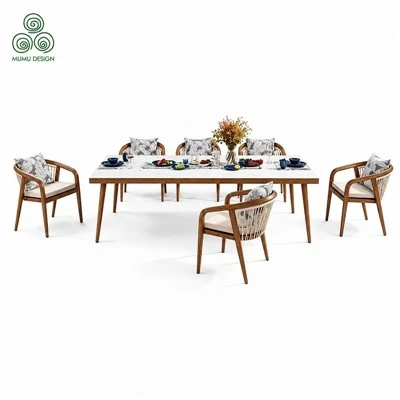
If you’re curious to check out our selection, we’d love to chat about which pieces would work best for your space. Whether you’re furnishing a living room, a home office, or a rec room, we can help you pick the right size, material, and color. Feel free to reach out whenever – we’re here to make sure you get a sofa that works for you, no matter where you plan to put it.
Wood Beam References:
- Outdoor Industry Association. (2023). Global Outdoor Furniture Market Trends: Durability and Indoor-Outdoor Blending.
- Sunbrella Performance Fabrics. (2022). Care and Maintenance Guide for Solution-Dyed Acrylic Upholstery.
- American Society of Interior Designers. (2021). Hybrid Furnishings: Blurring Indoor-Outdoor Design Boundaries.
- Teak Database. (2020). Teak Furniture Durability for Indoor and Outdoor Applications.
- ASTM International. (2019). Standard Test Methods for Water Resistance of Upholstered Furniture Fabrics.
Dongguan Mumu WoodWork Co., Ltd.
As one of the most professional outdoor sofa manufacturers and suppliers in China, we also support customized service. Please feel free to wholesale bulk high quality outdoor sofa for sale here from our factory. Good service and low price are available.
Address: Room No.2602-2603, Unit 9B, Universal Commerce Center, Nancheng District, Dongguan City, Guangdong Province, China,523073
E-mail: sales@mumu-ing.com
WebSite: https://www.mumuthermowood.com/
