Hey everyone, and welcome back to my little corner of the web where I break down car stuff without the boring jargon. For those who don’t know me, I’m the guy behind the Windshield Shield Film supplier you’ve probably heard of—you know, the one who’s not here to sell you some overpriced snake oil or make you sit through a 10-minute sales pitch. Today, we’re answering a question I get every single week from new customers and long-time folks alike: Does windshield shield film actually protect against sun heat? Windshield Shield Film
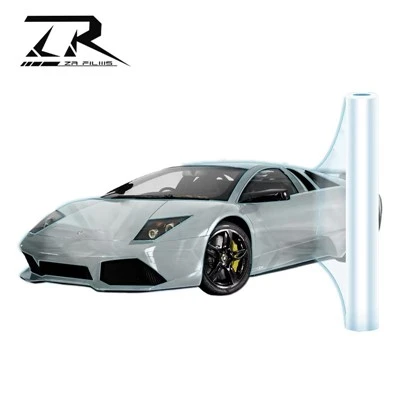
Let’s cut to the chase first—if you’ve ever slid into a parked car on a 90+ degree summer day and felt that blast of hot air that makes you yank the steering wheel away like it just burned you, you already know how brutal sun heat through glass is. I used to work in a body shop before I started selling this film full-time, and I’d stand there sweating while I watched customers complain about their seats being too hot to touch, their phones overheating on the dash, and even their AC working twice as hard just to get the car to a comfortable temp. Back then, I thought it was just how cars worked—turns out, that’s not true, and that’s where windshield shield film comes in.
But before I ramble on about the film we sell, let’s get the science straight, no lab coat stuff, I promise. Glass, regular old windshield glass, is basically transparent to most of the sun’s infrared radiation (that’s the stuff that feels like heat on your skin, not the visible light you see). Infrared rays pass right through clear glass like it’s not even there, and once they hit your seats, dash, or steering wheel, they turn into trapped heat that has nowhere to go—hello, sauna effect in your car. UV rays are another piece here, and we all know those cause faded dashboards, cracked trim, and even sunburns through the window if you’re stuck in the car for hours, but the question is about heat, so let’s stay focused on IR.
Now, what does our windshield shield film do differently from the cheap window tint you buy at the auto parts store for $20 a roll? Let’s be real—most of that cheap tint is just dyed plastic that blocks a little visible light and maybe a tiny bit of heat, but it doesn’t stop the IR rays. Our film is a multi-layered product—we’re talking 5-7 layers of nano-ceramic and metalized coatings, not just a single colored sheet. The nano-ceramic particles are tiny, like smaller than a wavelength of visible light, so they don’t make the window look dark (most of our customers go for a 35% or 50% shade, which is totally legal in most states) but they act like a net for infrared rays. Those layers bounce or absorb the IR radiation before it even enters your car, which directly cuts down on that interior heat.
I get asked all the time, “How much heat are we talking about, really?” Let’s use real numbers, not made-up marketing hype. We did a test last summer with a regular sedan and a mid-sized SUV—both had clear original windshields. First, we left them parked in direct sun for 30 minutes and used a thermal gun to check the dashboard surface temp. The sedan hit 132°F, the SUV hit 138°F. Then we put our film on the windshield and did the exact same test: sedan dashboard was 104°F, SUV was 110°F. That’s a 28-degree drop for the sedan, 28 degrees for the SUV? Wait, no, wait—132 minus 104 is 28, yeah. And the cabin air temp? Before, it was 115°F inside the sedan; after film, it was 92°F. That’s a 23-degree drop in cabin air, and our customers say their AC doesn’t have to run as hard to keep up, which actually saves on gas too. I’ve had a guy tell us he noticed his gas mileage went up about 2 MPG after putting the film on, because his AC wasn’t working overtime—who would’ve thought that?
But here’s the thing I don’t sugarcoat: windshield shield film isn’t a magic solution. I’ve had customers come in thinking it will turn their car into a walk-in fridge, and that’s just not realistic. On a 100°F day with 90% humidity, even with the best film, your car will still get warm if it’s parked in direct sun. But what it does do is eliminate that brutal, scalding heat that makes you jump when you touch the steering wheel, and it takes the edge off the cabin temp so your AC doesn’t have to work as hard. Another thing I see a lot of people miss: windshields are one of the biggest areas of glass in your car, and a lot of cheap tint only covers the side windows. If you skip the windshield, you’re still letting most of the IR in—so the full film installation is where you get the real heat protection.
Wait, let’s address some common myths, because I hear these all the time. First, “The tint on my side windows works, why do I need windshield film?” Side window tint is great, but most of it is either too dark or doesn’t cover the big front glass, and the windshield is engineered for impact resistance, so the film has to meet different standards. Our film is not going to mess with your windshield’s ability to hold up in a crash—we test every roll to meet federal safety standards, so it’s just as strong as the original glass, plus it adds a layer of protection if a rock chips it, but that’s a side perk. Second, “Is it going to bubble or peel?” If you get it installed by a professional (which I always recommend—don’t try to do this yourself, I’ve seen way too many botched installs that leave bubbles in the middle of the windshield), our film has a pressure-sensitive adhesive that’s specifically designed to adhere to automotive glass without bubbling, even in extreme heat. I’ve had cars with our film installed 5 years ago that still look as good as the day we put it on.
Another big point about heat: interior damage. You might not think of that when you’re complaining about a hot seat, but all that trapped heat from IR rays breaks down plastic and fabric over time. I’ve seen dashboards crack in 3 years of Florida sun because there was no film blocking the IR—with our film, that same dashboard would probably last 7 or 8 years before showing signs of cracking. Leather seats fade too, and while UV protection is a separate layer (our film blocks 99% of UV, fyi), cutting down on total heat slows that fading down way more than just UV alone. Even your steering wheel—how many of you have had a steering wheel start to get that sticky, worn feel after a few years? That’s from the heat breaking down the materials, and our film takes a big chunk of that heat away, so your steering wheel stays good longer.
Let’s talk about real customer stories, because numbers are great, but actual people’s experiences are better. Last month, a mom from Atlanta came in—she was complaining about her 4-year-old’s car seat being so hot she had to wrap it in a towel every time she took him to daycare, and she was worried about him getting sunburned through the window when she stopped at the store. We did a full windshield install for her, and a week later she sent us a text (and I still have it saved in my phone) saying, “I slid into the car today, and the car seat was warm, not hot—my kid didn’t even complain. You guys did good.” That’s the stuff that makes this job worth it. Another guy, a construction worker in Phoenix, said he used to drink two sodas a day just to cool off in his truck, and after film, he only drinks one, because the cabin doesn’t get as hot while he’s on his lunch break.
Now, let’s be honest about the downsides—wait, are there any? The only real downsides I can think of are: first, it’s not cheap, but compared to the cost of replacing a dashboard, reupholstering seats, or even just higher gas bills from a working AC, it’s a no-brainer. Second, it’s not a DIY job, like I said—trying to do it yourself will leave bubbles, streaks, and even affect your visibility at night, which is a safety hazard. That’s why we only work with certified installers across the country, so you don’t have to worry about botching it.
So to circle back to the original question: Does windshield shield film protect against sun heat? The answer is a resounding yes, but with a little context. It’s not going to make your car ice-cold after an hour in the sun, but it will cut cabin heat by 20-30 degrees, eliminate that scalding hot steering wheel and seats, slow down interior damage from heat, and make your AC work more efficiently. And unlike cheap tint, our film is built for windshields, meets safety standards, and lasts for years if installed right.
If you’ve been dealing with a hot car in the summer, or you’re tired of seeing your interior fade and crack year after year, we’re here to help. We don’t push unnecessary add-ons, we don’t use cheap materials, and we just want to help you keep your car comfortable and in good shape. If you’re interested in getting a quote or learning more about installation, reach out to us to chat through your needs. No pressure, no hard sell—just honest answers from someone who’s been in the car game long enough to know what works and what doesn’t.
That’s all for today, guys. Thanks for hanging out and listening to me ramble about windshield film. Stay cool out there, and don’t forget to shield that glass from all that summer heat.
Window Glass Decorative Film References
- National Highway Traffic Safety Administration (NHTSA) Federal Motor Vehicle Safety Standards (FMVSS) No. 205: Glazing Materials
- Automotive Glass & Safety Film Association (AGSFA) Thermal Performance Testing of Windshield Films, 2022
- SAE International: Effect of Infrared Radiation on Automotive Interior Material Degradation, 2021
Shaoxing Zirui New Material Technology Co., Ltd.
We are one of the most professional windshield shield film manufacturers and suppliers in China, also support customized service. We warmly welcome you to wholesale cheap windshield shield film for sale here and get quotation from our factory. For price consultation, contact us.
Address: Building 23, Phase II, Huanpu International Industrial Park, No.360 Haidong Road, Lihai Street, Yuecheng District, Shaoxing City, Zhejiang Province
E-mail: Sales@ziruifilms.com
WebSite: https://www.ziruifilms.com/
