Hey there, everyone! If you’re someone who uses flexible intermediate bulk containers—you know, those big FIBC bags that make moving powders, granules, or even small parts a total breeze—this post is for you. I’ve been in the FIBC bag game for years now, and I can’t tell you how many times I’ve heard people say, “Wait, my bags ripped halfway through a shipment? I thought they were supposed to hold 1 ton!” Most of the time, it’s not that the bags were bad out the gate—it’s just that people don’t know the little, easy things you can do to keep them in tip-top shape while you’re using them. As a supplier, I see this all the time, so I’m spilling the tea on what actually works, no fancy jargon or fluff. FIBC Bag
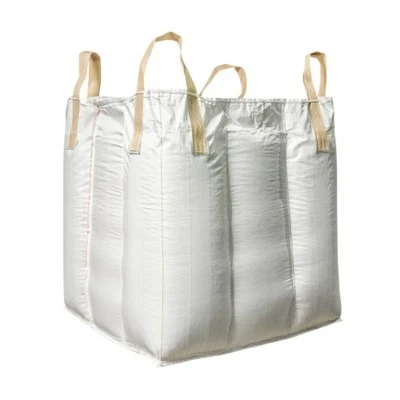
First off, let’s start with something super basic: how you’re unloading and loading the bags. I know it might feel like a no-brainer, but I’ve seen forklift operators yank these things around like they’re grocery bags at a sale, and that’s a fast track to disaster. Wait—when you’re lifting a FIBC, don’t just grab the loose strings or even the top loops that are sticking out. Those small loops aren’t made to hold the full weight of the bag all by themselves. The reinforced, dedicated lifting loops on the corners? Those are the ones you need to hook up. Even better, if your forklift has spreader bars, use those. If you use forks directly, make sure they’re padded a little—metal forks scraping the fabric for a few seconds doesn’t sound like a big deal, but after a handful of lifts, that’s a hole big enough to dump half your load. I once had a customer call me panicking because their new bags got 10 small tears just in the first week, and turns out their forklift forks had no padding and they were yanking the bags sideways to get them into the truck. Fixed the forks with a little rubber tubing, and they haven’t had an issue since.
Next up: storing the bags when they’re not in use. This is another big one that flies under the radar. A lot of companies just stack their empty FIBC bags in a random corner of the warehouse, right next to sharp metal scraps or in a spot where the sun is beating down all day. Oh, boy, that’s a recipe for killing a bag before you even use it. FIBCs are made from polypropylene fabric, which is durable, but it hates two things: constant exposure to UV light and friction from sharp stuff. If you have bags that are sitting unused for more than a day or two, keep them in a cool, dry, enclosed space—like a storage bin or a closed pallet with a tarp over the top. And when you stack them? Don’t pile heavy pallets on top of them, and make sure there’s nothing around them that could snag or cut the fabric. I had a customer last year who stored empty bags next to a bin of metal fasteners, and after a week, every bag had tiny snags along the bottom edge that would turn into tears once they were full. It took 2 seconds to move the bin, and saved them a ton of replacement costs.
Now, what about when the bag is actually filled? How full is too full? I swear, some people treat FIBCs like they’re balloons and just keep pouring until the top is bulging, but that’s a mistake. Most standard FIBCs are designed to be filled to about 80-90% of their total capacity, not 100%. If you overfill it, the fabric gets stretched way tighter than it should be, especially around the seams and the lifting loops. When you lift that overstuffed bag, the extra tension can make a seam pop or a loop tear—way faster than if it was filled to the right level. Also, when you’re filling, make sure the material isn’t falling from super high. If you’re pouring a powder or granules from a height of 6 feet straight into the bag, that’s a lot of impact hitting the bottom and sides. Over time, that repeated impact will weaken the fabric. Try to use a fill chute that’s as close to the bag’s opening as possible, or slow down the flow a little. It might take an extra minute, but it’s way better than replacing a bag that split open during filling.
Oh, and here’s a thing I see way too often: people reusing FIBCs when they really shouldn’t. I know, I know, reusing is cheaper, and we’re all trying to save a buck. But not every FIBC is built to be reused. Single-trip FIBCs are meant for one fill, one transport, one dispose—they’re not as reinforced as multi-trip ones. If you use a single-trip bag twice, you’re basically rolling the dice. Even multi-trip bags have a limit on how many times you can use them—usually between 3 and 5 times, depending on how well you take care of them. Before you reuse a bag, do a quick check: look for any tears, snags, or worn seams. Run your hand along the fabric to feel for thin spots. If you find even a small snag, don’t use it—repairing it with a patch might work once, but after that, it’s too risky. I always tell my customers: if a bag’s got any damage, chuck it, even if it seems minor. The few cents you save by using a damaged bag will cost you way more if your load spills or you have to replace the whole shipment.
Another big one is cleaning the bags properly, especially if you’re switching products. If you used a FIBC for coffee beans and then want to use it for rice, you can’t just dump the old stuff out and go—you need to clean it. Residue from the previous product can build up in the fabric, and if it’s sticky or abrasive, it can weaken the material over time. Also, cross-contamination is a big deal for a lot of industries, like food or pharmaceuticals. But cleaning FIBCs isn’t just hosing them down (though that works for some) — you have to make sure they’re completely dry before storing or reusing. If you put a damp bag away, mold and mildew will grow, which eats away at the polypropylene fabric and makes it way less strong. I’ve had customers skip drying and end up with bags that had to be thrown out because of mold, so trust me on this: dry them all the way, either with air dry or a low-heat setting in a tumble dryer if the bag is meant for that.
Wait, what about handling during transport? When the bag is on the truck, don’t just stack random heavy stuff on top of it. If you’re moving multiple FIBCs, make sure they’re secured so they don’t rub against each other or against the sides of the truck. If two bags are rubbing together while the truck is bouncing down the highway, that’s constant friction on the fabric, which will wear holes over time. Also, avoid driving over rough terrain if you can—though I know sometimes that’s unavoidable, but take it easy on bumpy roads if you’re hauling filled bags. Those sudden jolts can put a lot of stress on the seams and loops, especially if the bag is overfilled.
Let’s talk about something specific for different types of loads too, just to cover all bases. If you’re moving abrasive materials—like gravel, sand, or plastic pellets—those are way harder on FIBCs than, say, powder or flour. Abrasive stuff can scratch the fabric from the inside as it shifts, so you might want to use an extra-coated FIBC if that’s your main load. Those have a thicker inner liner that resists scratching. And if you’re moving corrosive materials? You need a bag that’s designed for that, not a standard one. Using the right bag for the job is half the battle—no amount of care will make a regular FIBC hold up to acid or heavy corrosive chemicals. I always tell customers to tell me exactly what they’re moving, how much, and how they’re using the bags, so I can recommend the right one for their needs, which saves them headaches later.
Oh, and one quick tip I swear by: label your FIBCs if you’re reusing them. Keep track of how many times each bag has been used, when it was last inspected, and what product it was used for. That way, you won’t accidentally reuse a single-trip bag or a bag that’s already hit its use limit. It takes 2 seconds to write on the bag with a permanent marker, and it saves you from so many mistakes.
Now, I know a lot of you are probably thinking, “This all sounds like extra work, but isn’t the point of FIBCs to make this easier?” Yeah, it is, but these little steps are way easier than dealing with a spilled load, a late shipment, or having to replace bags every week. As a FIBC supplier, my goal isn’t just to sell you a bag—it’s to make sure that bag works for you, for as long as it’s supposed to. I see customers cut corners and end up paying more in the long run, and that’s the last thing I want for you.

If you’re tired of dealing with damaged FIBCs that keep letting you down, or if you want to make sure your current process is as efficient as possible, hit me up to chat. We can talk about what you’re moving, how you’re using your bags, and figure out a system that works for your business. No pressure, just good advice and solid FIBC solutions.
Aluminum Foil Bag References:
- Flexible Intermediate Bulk Containers (FIBCs): Best Practices for Use and Maintenance, National Institute for Occupational Safety and Health (NIOSH)
- FIBC Handling and Storage Guidelines, Bulk Materials Handling Association (BMHA)
- Polypropylene Fabric Durability: Effects of UV Exposure and Abrasion, Textile Research Journal
- Reusability of FIBC Bags: Limitations and Inspection Protocols, Industrial Packaging Association (IPA)
- Cleaning and Sanitization of Bulk Bags for Food and Pharmaceutical Applications, Food and Drug Administration (FDA) Guidance for Industry
Heze Jinniu Plastics Co., Ltd.
As one of the most professional FIBC bag manufacturers in China, we have world-leading production equipment and strong manufacturing capabilities. Please rest assured to wholesale bulk high quality FIBC bag for sale here from our factory.
Address: South section of Renmin Road, Heze City, Shandong Province
E-mail: lishaobin2379@163.com
WebSite: https://www.jnbulkbags.com/
