If you’re a manufacturer in the round packaging box industry—whether you specialize in gift tins, cosmetic round containers, or food-safe cookie boxes—choosing the right round packaging box forming machine can make or break your production efficiency, product consistency, and bottom line. As someone who’s spent over a decade working directly with operators, shop foremen, and small business owners to match them with equipment that actually fits their needs, I’ve seen far too many teams invest in machines that either can’t keep up with their output goals, produce shoddy boxes that return from retailers, or cost them 2x what they should have to operate. This isn’t a one-size-fits-all purchase, and the decision hinges on far more than just the machine’s price tag. Let’s break down the key factors you need to weigh to pick a machine that works for your specific business. Round Packaging Box Forming Machine
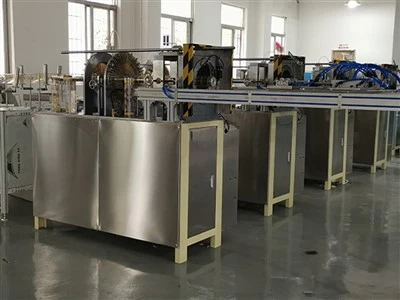
First, start with your core production needs—because a machine’s capacity isn’t a one-size-fits-all number, and mismatching it will leave you scrambling within six months. Ask yourself how many round boxes you need to produce per minute, per hour, or per shift. For a small, local cookie brand or a startup selling handmade gift tins, you might only need 100–200 boxes per hour; a mid-sized cosmetic brand launching a line of round eye cream containers might need 500–1,000 per hour; and a large-scale snack manufacturer supplying grocery chains could require 1,500+ per hour. I’ve had a client who runs a small artisanal tea company buy a 1,200-box-per-hour machine thinking it would “grow with them” — six months later, they were only using 30% of its capacity, wasting thousands on unnecessary energy costs and maintenance for a machine too big for their actual output. Conversely, a mid-sized packaging firm I worked with bought a 200-box-per-hour machine on a tight budget and had to run three shifts just to meet a retail contract, leading to constant breakdowns and missed delivery deadlines. That’s why verifying the machine’s actual, tested production rate (not the manufacturer’s advertised “peak” rate, which rarely translates to real-world use) is non-negotiable. Also, consider box size: round boxes come in everything from 2-inch lip balm containers to 12-inch pizza boxes, and not all machines are adjustable. If you plan to expand your product line to include different sizes down the line, look for a machine with modular tooling that lets you swap out forming heads without paying for a whole new setup.
Next, material compatibility is a detail that’s easy to overlook but can derail operations entirely. Round packaging boxes are made from a range of materials: tinplate for food and durable gifts, aluminum for lightweight cosmetic containers, cardboard for eco-friendly product lines, and even specialty plastics for electronics packaging. Each material has different thicknesses, flexibility, and forming requirements. A tinplate forming machine, for example, uses stamping dies that apply high, uniform pressure to prevent wrinkling, while a cardboard machine uses a different heat-sealing mechanism to fold edges cleanly without tearing. I once worked with a client who tried to use a general-purpose round box machine for 0.8mm thick tinplate, only to have the dies bend and produce 40% defective boxes per run—costing them $12,000 in material waste and repair fees in a single month. Before buying, confirm which materials the machine is rated for, and ask for test runs with your actual raw material if possible. A reputable machine supplier will often offer on-site or in-house test runs to let you see how the machine handles your specific stock, which is worth every minute of extra time to avoid costly mistakes.
Then there’s quality consistency, which is critical if you want to maintain a good reputation with retailers and end customers. Round boxes that are misaligned (wobbly top and bottom lids), have uneven crimp edges, or show dents from improper forming will get returned, damage your brand, and cost you rework. The best machines have precision engineering features that minimize these defects: closed-loop servo motors that control every step of forming (feeding, stamping, crimping) with tiny, consistent tolerances, and automated quality checks that reject defective boxes in real time. For small-batch operations, some machines have manual adjustments for more flexibility, but that often leads to inconsistency when operators run multiple sizes or materials. For high-volume production, automated systems that lock in settings for each box size eliminate human error. I also recommend asking about defect rates: a reliable machine should produce less than 2% defective boxes during normal operation. If a supplier can’t give you that number, or admits their machines have 5%+ defect rates, walk away—even a 3% defect rate on 100,000 boxes a year adds up to thousands in lost revenue.
Another often-overlooked factor is ease of operation and maintenance. If you’re a small business with a team that doesn’t have dedicated industrial machinery technicians, a machine that requires complex programming or specialized replacement parts will grind production to a halt when something breaks. Look for machines with intuitive control panels—touchscreen interfaces that let operators adjust settings without coding, and clear, step-by-step error alerts that make troubleshooting quick. Also, check the availability of replacement parts: some cheaper machines use proprietary parts that you have to order directly from the supplier, which can take weeks and cost 3x more than standard parts. Reputable suppliers keep common parts in stock locally, or have fast shipping to minimize downtime. For example, I work with a client who had a simple belt break on their forming machine; a machine from a reliable supplier meant they could pick up a replacement the next day and be back up running, whereas another client who bought a discount machine had to wait two weeks for a custom belt, missing a critical holiday order.
Energy and space requirements are also practical points that can strain your budget if you don’t plan ahead. Round box forming machines use varying amounts of electricity, air, or hydraulic power—high-volume machines can draw 10+ kilowatts of electricity, so check your factory’s power capacity before purchasing, especially if you have other heavy equipment. Hydraulic machines, while often cheaper upfront, can have higher long-term energy costs and require regular fluid changes, whereas electric servo machines are more efficient but usually cost more initially. Also, measure your available floor space: these machines aren’t small—some high-capacity models are 20 feet long and 8 feet wide, so factor in space for raw material storage, finished boxes, and operators to move around. A small startup I worked with almost bought a 15-foot machine only to realize their shop floor was only 12 feet long, forcing them to rearrange their entire production line at extra cost.
Warranty and after-sales support are safety nets that can save you from major headaches. A good round box forming machine should come with at least a 1-year warranty covering parts and labor, and extended warranty options are a bonus. But the warranty only matters if the supplier has a local service team or can send technicians quickly if something goes wrong. Too many small suppliers will sell you a machine and disappear, leaving you with no support when it breaks down. As someone who works directly with buyers, I always advise asking for references from recent customers who have the same type of machine and production needs. Ask those references: how quickly did the supplier respond when there was a breakdown? Were replacement parts affordable and easy to get? Did the supplier provide training for operators? If references mention long wait times for service or unhelpful support, cross that supplier off your list.
Finally, total cost of ownership, not just upfront price, should be your main decision metric. A machine that costs $20,000 upfront might seem like a steal, but if it has high maintenance costs, low production capacity, and a 6-month warranty, it could end up costing you $50,000 over three years in repairs, lost productivity, and reworked boxes. On the other hand, a $35,000 machine with a 2-year warranty, high efficiency, and 1% defect rate might seem expensive at first, but it will save you money over time by reducing waste and downtime. Factor in all costs: purchase price, installation, training, maintenance, energy use, and potential lost revenue from downtime when comparing options.
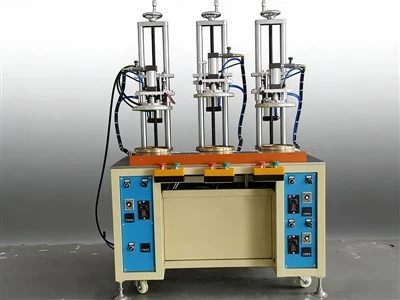
At the end of the day, choosing the right round packaging box forming machine is about matching your specific business needs—not the latest shiny machine or the cheapest deal. When you take the time to assess your production volume, materials, quality requirements, and long-term growth plans, you’ll find a machine that doesn’t just form round boxes—it grows with your business. If you’re ready to talk through your specific needs, get custom guidance for your production line, or request a test run with your materials, feel free to reach out to connect with our team to discuss your exact requirements.
PVC Cylinder Edge Curling Side Machine References
- Industrial Packaging Machinery Association. (2022). Guidelines for Selecting Forming Equipment for Custom Packaging Applications.
- Journal of Manufacturing and Industrial Engineering. (2021). Quality Control Metrics for High-Volume Round Container Forming.
- Small Business Administration. (2020). Procurement Best Practices for Industrial Machinery in Packaging Operations.
- Packaging Technology and Science. (2023). Material Compatibility and Forming Efficiency in Metal and Cardboard Round Packaging Systems.
Titagong (Dongguan) Machinery Co., Ltd.
We are one of the most reliable manufacturers and suppliers of round packaging box forming machine in China. With abundant experience, we warmly welcome you to buy bulk high quality equipment in stock here and get pricelist from our factory. For price consultation, contact us.
Address: No.149, Qingyi Road, Qingxi Town, Dongguan City, Guangdong Province, China
E-mail: shuaizoe@gmali.com
WebSite: https://www.titagonggroup.com/
