If you’ve ever had to replace motorcycle bearings in a rainy commute or after a muddy off-road run, you know that a wet environment doesn’t just add water to the job—it changes every step. As someone who’s spent 12 years as a motorcycle bearings supplier, I’ve worked with mechanics, weekend riders, and race teams who’ve learned the hard way that replacing bearings in wet conditions isn’t the same as doing it in a dry garage. It’s not just about swapping old parts for new ones; it’s about accounting for the unique ways water, grime, and corrosion behave in those conditions—and how to adjust your process to make your new bearings last. Motorcycle Bearings
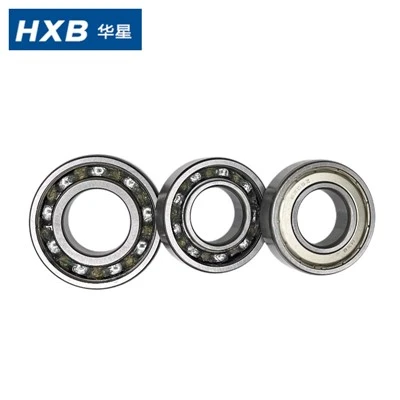
First, let’s cut through the myth that all bearings are created equal. Many riders grab a standard sealed bearing when replacing a wet-weather failed part, but in high-moisture environments, that’s where mistakes start. I’ve seen riders skip a critical step: checking the original bearing’s seal rating. For bikes that regularly see rain, puddles, or off-road mud, bearings need rubber seals that are both water-resistant and breathable. The last thing you want is a seal that keeps water out but traps condensation inside the bearing housing, which causes rust from the inside out. Last year, a local off-road race team came to me with five hubs that had failed in the middle of a motocross track after a heavy rainstorm—their original bearings were rated for light water exposure, but the mud and standing water on the track had seeped past the seals because the bearings didn’t have a double lip seal. That’s the kind of avoidable error that comes from not considering the environment before you even pick up a bearing.
Then there’s the old bearing itself. When you’re pulling a worn bearing out after it’s been exposed to water, the problem isn’t just the metal fatigue—it’s the corrosion that’s already started under the surface. I’ve watched mechanics yank a rusted bearing out of a wheel hub and reuse the old grease inside, which is a disaster waiting to happen. Water mixes with grease to form a sludge that grinds away at bearing rollers and races faster than dry wear. In a wet environment, every old bearing’s internal grease is contaminated, and if you don’t clean the housing thoroughly, that sludge will mix with the new grease you add. A customer in coastal Florida told me his front wheel bearings failed three times in six months before he started rinsing the housing with isopropyl alcohol and a small brush before installing new parts. He switched to our marine-grade bearings (which are designed for constant saltwater exposure) and hasn’t had a problem in 18 months. That’s not a coincidence—it’s about addressing the contamination head-on.
One of the most overlooked steps when replacing bearings in wet conditions is preparing the housing. Riders often just pull the old bearing, tap the new one in, and call it good. But water can get trapped in tiny crevices in the housing’s inner walls—especially on hubs, swingarms, or steering head tubes—that a quick wipe doesn’t remove. I recommend taking a heat gun (set to low, not hot) to the housing after cleaning it with degreaser and alcohol. The gentle heat evaporates any remaining moisture that you can’t see, which prevents the new bearing’s metal from rusting the second it touches the housing. A friend who restores vintage motorcycles taught me that trick, and I’ve used it on hundreds of jobs. Last spring, a rider who’d just moved from a dry desert town to Seattle came to me with a set of rusty wheel bearings. He’d skipped the heat step, and even with our premium bearings, the trapped moisture in the housing caused rust on the new races within two weeks. It’s a small step, but it makes all the difference in a wet environment.
Seal installation is another area where wet conditions change the game. Standard bearing seals are designed to fit tight, but when you’re working in a garage that’s humid or has spilled water on the workbench, you can get a false sense of the seal’s fit. I’ve seen mechanics install a seal that looked tight on the bench, but once the wheel was assembled and exposed to road spray, the seal warped slightly, letting water seep in. In wet environments, it’s critical to use a seal driver that’s the exact diameter of the seal’s outer edge—no hammering the seal in with a socket that’s too big or too small. I keep a set of custom seal drivers at my shop for exactly this reason. Last summer, a delivery rider who works in rain every day brought in a wheel with a seal that had popped out halfway. He’d used a regular socket instead of a driver, and the seal’s edge was bent, creating a gap where water could get in. We replaced the seal with a proper driver, and he’s gone 10 months without a bearing issue. It’s not just about the part itself—it’s about how you install it.
Grease choice is maybe the biggest special consideration of all, and it’s one that many riders ignore. Standard wheel bearing grease works fine in dry conditions, but in wet environments, you need a grease that’s water-resistant, not just water-repellent. Water-repellent grease beads up and washes away when exposed to heavy rain, but water-resistant grease repels water and forms a barrier that doesn’t break down. At my shop, we stock a lithium-complex grease that’s rated for marine and off-road use, and it’s the most popular product we sell for riders in rainy or muddy areas. A motocross rider I work with uses it for every bearing replacement on his bike, and he says his bearings last twice as long as they did with standard grease. He also wipes down the exposed bearing seals with a thin layer of the same grease after every ride, which adds an extra layer of protection against water. I’ve tried it, and it works— I rode through a 2-inch puddle last week, and there was no water seepage past the seals. That’s the kind of small habit that adds up to big savings.
Another thing to consider is the type of bike you’re working on. A cruiser with steel spokes lives in a different wet environment than a modern sportbike with aluminum swingarms or a dirt bike that’s submerged in mud. For dirt bikes, bearings are exposed to not just water but mud and sand, which act like sandpaper on rollers. That’s why we offer a heavy-duty bearing set for off-road bikes—they have thicker races and seals that are reinforced to resist abrasives. For cruisers that spend most of their time on wet highways, we recommend bearings with a corrosion-resistant coating, like zinc or black oxide, which prevents rust from forming on the bearing’s outer surface. I once sold a set of zinc-coated bearings to a rider in Pacific Northwest, and he told me that after a winter of rain and salt slush on the roads, his bearings looked almost brand new. Without that coating, the rust would have eaten through the races in a few months.
I should also mention what to avoid when replacing bearings in wet conditions. First, don’t reuse old hardware like wheel nuts or axle bolts. Water gets into the threads, causing them to corrode, and if you reuse them, the bolt could seize or break later. Second, don’t skip checking the bearing’s fit in the housing. A loose bearing will shift when you ride over a pothole, and in wet conditions, that shift creates gaps where water can enter. I’ve had a few customers come in with bearings that wore out in a month because they didn’t press the bearing all the way into the housing—there was a 1-millimeter gap that let water get in and rust the roller surfaces. Third, don’t work in a humid space if you can help it. If your garage is full of moisture, leave the new bearings in their original packaging until you’re ready to install them. Exposing them to humid air for even 10 minutes can cause surface rust on the rollers, which will speed up wear once the bike is back on the road.
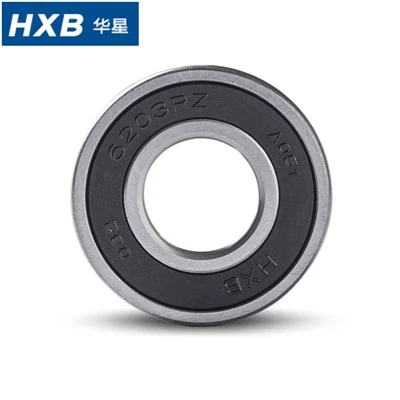
I’ve been supplying motorcycle bearings for long enough to know that the best way to avoid bearing failures in wet conditions is to plan ahead. It’s not just about replacing a part—it’s about matching the right bearing to the environment, preparing the housing properly, using the right grease, and installing everything correctly. Every rider and mechanic who pays attention to these details tells me their bearings last longer, save them money, and keep them safer on the road or trail.
High Speed Spindle Bearings If you’re dealing with bearing issues in a wet environment—whether it’s rain, mud, or saltwater—and you want to make sure you get the right parts for the job, reach out to our team to discuss your needs. We can help you select the bearings, seals, and grease that work best for your bike and local conditions, and we’ll walk you through any steps you’re unsure about. Don’t let a wet environment turn a bearing replacement into a recurring headache—let us help you do it right the first time.
References
- Motorcycle Maintenance Handbook. Petersen Publishing, 2021.
- Bearings for Industrial and Automotive Applications. SKF Group, 2022.
- Off-Road Rider’s Repair Guide. Motorbooks, 2020.
- Corrosion Resistance in Dynamic Components. ASTM International, 2019.
- Motorcycle Wheel Bearing Selection and Installation. Cycle World Technical Services, 2021.
Hangzhou Huaxing Kechuang Holding Group Co., Ltd.
Hangzhou Huaxing Kechuang Holding Group Co., Ltd. is one of the leading manufacturers and suppliers of motorcycle bearings in China, featured by quality products and good service. Please rest assured to buy bulk durable motorcycle bearings from our factory. Welcome to view our website for more information.
Address: No.553 Yingbin Road, Linping, Hangzhou, 311100, China
E-mail: wmb@huaxingbearing.com
WebSite: https://www.hxbbearing.com/
