Hey there, fellow gearheads, part shop regulars, and everyone who’s ever stared at their car’s check engine light like it’s speaking a foreign language—raise your hand if you’ve ever had a part go belly-up out of nowhere. ????♂️ As someone who’s been in the automotive parts game for over 10 years (yep, I’ve seen every chaos from a wheel bearing that died at 20k miles to a fuel pump that quit mid-road trip), I’m here to break down the real, common failures of automotive parts that actually mess with your ride—no fancy textbook jargon, just the stuff we deal with every single day. Automotive Parts

Let’s cut to the chase: most part failures aren’t just “car parts being jerks.” They’re usually avoidable, and understanding why they go wrong can save you from dropping a ton of cash on unnecessary repairs. And since I’m a parts supplier, I know firsthand the pressure to get reliable parts that don’t leave you stranded—so I’m gonna keep it real, no sales pitch fluff, just straight talk on what kills parts.
First up, the big one: wear and tear from daily use (the slow burn killer). You know, the stuff that happens because you drive your car, like, actually use it? Not the Hollywood “explosive decompression” kind of failure—this is the quiet stuff that builds up over months or years. Take brake pads, for example. If you’re constantly slamming on the brakes in stop-and-go city traffic (looking at you, LA and NYC commuters), those pads wear down way faster than someone who does mostly highway drives. A lot of new guys in the parts game think brake pads should last 100k miles, but nah—city drivers might need new ones at 30-40k, and that’s totally normal. The same goes for things like serpentine belts. Those little guys spin every single time you start your car, powering your alternator, AC, power steering—so they’re rotating, flexing, and heating up thousands of times a day. If you ignore the manufacturer’s recommendation to replace them every 60-100k miles, they’ll snap out of nowhere, leaving you stranded with a dead battery and no AC. I’ve had customers come in with a broken serpentine belt that shredded their radiator hose too—total mess, all because they skipped a $20 belt change.
But here’s the catch: wear and tear isn’t just about how often you drive. It’s about how you drive. If you’re towing a heavy trailer every weekend without upgrading your parts, that’s extra stress on your suspension, transmission, and even your tires. I had a customer last year who towed a 5,000-pound camper with a stock transmission for two years—his transmission failed at 80k miles, and the repair cost was $4k. He came to me complaining, and I was like, “Dude, that’s why heavy-duty transmission parts exist.” A lot of people don’t realize that “one size fits all” parts only work for light use.
Next on the list: contamination (the dirty underdog). This is when gunk gets where it shouldn’t be, and it’s way more common than you think. Let’s start with engines—your oil is like the blood of your car, right? If you skip oil changes, dirt, metal shavings from engine wear, and even tiny bits of fuel build up in the oil, turning it into sludge. That sludge doesn’t lubricate the engine parts properly, so they grind against each other, leading to bearings seizing or pistons breaking. I’ve seen old engines where the oil filter was completely clogged with sludge, and the inside of the engine looked like it had been sandblasted. Total loss.
Then there’s things like air filters. If you never replace your engine air filter, it gets clogged with dust, pollen, and road grime. That dirt then gets pulled into the engine’s combustion chamber, where it acts like sandpaper on the cylinder walls. Over time, that wears down the walls so bad the engine loses compression, and you’re looking at a full rebuild. Same goes for fuel filters—clogged fuel filters restrict gas flow to the engine, making it run rough, stall, or even not start at all. I had a guy last month who thought his fuel pump was bad, but it turned out his fuel filter had so much gunk in it, it was blocking the pump. We replaced the filter, and his car ran like new—saved him $800 in a pump replacement that wasn’t even needed.
Contamination isn’t just about fluids and filters, either. Take wheel bearings. They’re packed with grease to keep them spinning smoothly, but if the rubber seal around them gets cracked (from road salt, dirt, or just age), water and dirt get in. That washes away the grease, so the bearing starts to grind, overheat, and eventually seize. A lot of people ignore a squealing wheel bearing until it’s too late, and then they have to replace the entire hub assembly, which is way more expensive than just replacing the bearing early.
Now, defective manufacturing (the bad apple). This is the stuff that’s out of your control—when a part leaves the factory with a flaw that doesn’t show up until months later. As a parts supplier, I’ll be the first to say that no manufacturer is perfect. We’ve had a few batches of brake calipers where the piston was machined too tight, so it wouldn’t retract properly, leading to brake drag and overheating. Or a set of spark plugs where the ceramic was cracked during shipping, so they misfired. The problem is that these defects don’t always show up right away—they might take 10k or 20k miles to cause issues, and by then, the customer blames the installer or the car, not the part.
I remember a time a few years back when a whole batch of water pumps from a overseas supplier had a faulty impeller. The plastic impeller was too thin, so it would crack after 5k miles, leading to coolant leaks and overheating. We had a ton of customers come in with overheated engines, and we had to replace every single one of those pumps for free. That was a headache for us, but it’s part of the job—you have to stand behind your parts when a manufacturing flaw slips through. The key here is to work with suppliers who have strict quality control, not just the cheapest option. Yeah, the cheap pump might save you a few bucks upfront, but when it fails and ruins your engine, that’s way more costly.
Another common failure I see all the time: electrical issues (the confusing one). These are the worst because they’re so hard to diagnose. Modern cars have more and more electronics—sensors, control modules, wiring harnesses—so there’s a million things that can go wrong. Let’s take oxygen sensors, for example. They measure the amount of oxygen in the exhaust to adjust the air-fuel mixture. If they fail, the engine runs inefficiently, uses more gas, and might even trigger the check engine light. A lot of times, oxygen sensors fail because of carbon buildup from bad fuel or oil leaks, but sometimes it’s a wiring issue—like a wire that’s frayed from being under the hood’s heat.
Then there’s things like alternators. If your alternator fails, your battery dies, and your car dies. But sometimes it’s not the alternator itself—it’s a faulty voltage regulator, which is part of the alternator. Or the battery terminals get corroded, so there’s no power flow between the battery and the rest of the electrical system. I’ve had customers come in thinking they need a new alternator, but all they needed was a good cleaning of the battery terminals. Electrical issues are tricky because they’re often intermittent—one day your car starts fine, the next day it doesn’t—so it’s easy to misdiagnose. That’s why it’s important to have a good mechanic who knows what they’re doing, or at least do your research before replacing parts unnecessarily.
Wait, can’t forget about environmental factors (the stuff mother nature throws at you). Cars are exposed to the elements 24/7, and that takes a toll. Road salt in winter? It eats away at metal parts, causing rust. I’ve seen frame rust on trucks that live in snowy states, or rusted exhaust pipes that develop holes because of salt. Extreme heat? That’s bad for rubber and plastic parts—like hoses, gaskets, and seals. A heater hose made of regular rubber will crack after a few years of high heat under the hood, leading to coolant leaks. Cold weather? It hardens those same rubber parts, making them more prone to breaking when you start the car on a freezing morning.
UV rays from the sun? They fade your paint, but they also break down rubber and plastic parts like dashboard components, window seals, and even tires. I had a customer in Arizona who had a tire blowout in the middle of the summer, and when we inspected it, the sidewall was cracked from UV damage, even though the tire had only 20k miles on it. He’d parked his car outside every day for years, and the sun just ate through the tire’s rubber. Environmental factors are especially hard because you can’t really avoid them, but you can take steps—like washing road salt off your car in winter, parking in the shade, or using a tire protectant to slow down UV damage.
Now, let’s talk about something that’s not always on everyone’s radar: installation mistakes (the human error factor). Even if you have a perfect, top-quality part, if it’s installed wrong, it’s gonna fail. I’ve seen brake pads installed backwards—so the wear indicator grinds against the rotor, eating a hole in the rotor in a week. Or a serpentine belt installed with the wrong tension, so it slips and burns out in a few hundred miles. Even something as simple as not torquing the wheel lug nuts properly can lead to the wheel falling off (crazy, but it happens) or the wheel bearing failing prematurely.
I once had a customer who replaced his own oil filter, and he didn’t tighten it enough. Oil leaked out over a few hundred miles, and his engine seized up. He came to me devastated, and while we tried to fix the engine, the whole thing could’ve been avoided if he’d just tightened the filter to the right torque. Installation isn’t just for professional mechanics—if you’re doing your own work, make sure you follow the manufacturer’s instructions, or at least watch a few YouTube videos to make sure you’re doing it right. Cut corners on installation, and even the best part is garbage.
So, what’s the takeaway here? Automotive part failures aren’t random. They’re usually caused by one of a few things: wear and tear from use and driving habits, contamination from dirty fluids or gunk, manufacturing defects, electrical gremlins, environmental damage, or bad installation. As a parts supplier, I see these failures every day, and the biggest thing I can tell you is this: don’t ignore small issues. That squeaky wheel bearing? Get it checked. The check engine light that comes on and off? Don’t just clear the code and forget about it. Regular maintenance—oil changes, filter replacements, tire rotations—goes a long way in preventing these failures.
And hey, if you’re in the market for reliable parts, I get it—you don’t want to waste money on parts that fail in 10k miles. As someone who’s in this industry, we work hard to source parts that are tested, durable, and built to last, no matter what your driving habits are. Whether you’re a daily commuter, a weekend warrior, or someone who tows heavy stuff, we’ve got parts that are designed to handle your ride.
If you’ve had a part fail on you, or if you’re not sure what part you need for your repair, hit me up to connect and chat about your needs. We can help you find the right part, answer your questions, and make sure you’ve got the reliable parts your car deserves. No pressure, just real talk about cars and parts.
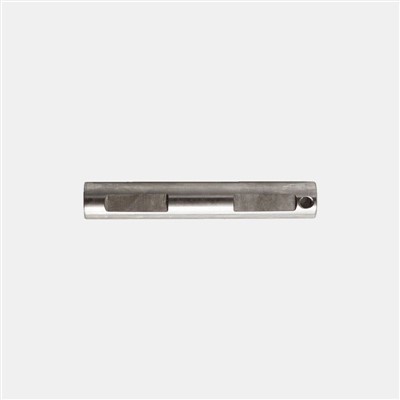
So yeah, that’s the lowdown on common automotive part failures. Next time your car has a problem, you’ll have a better idea of what might be going on—and how to avoid it down the line. Drive safe, and don’t forget to change your oil. ????
Shaft Parts References:
- Automotive Parts Association. (2022). Common Automotive Component Failure Modes & Prevention.
- National Highway Traffic Safety Administration (NHTSA). (2021). Vehicle Electrical System Failures: Root Causes & Mitigation.
- Society of Automotive Engineers (SAE International). (2020). Wear Mechanisms in Passenger Vehicle Components.
- Environmental Protection Agency (EPA). (2023). Road Salt Corrosion Effects on Automotive Parts.
- Automotive Aftermarket Suppliers Association (AASA). (2022). Installation Best Practices for Automotive Replacement Parts.
Taizhou Liuhuan Machinery Co., Ltd.
As one of the most professional automotive parts manufacturers and suppliers in China, we’re featured by quality products and good service. Please rest assured to buy customized automotive parts made in China here from our factory. For quotation, contact us now.
Address: Xinyuan Industrial Zone, Damaiyu Street, Yuhuan City, Zhejiang Province,China
E-mail: tzlhmachining@gmail.com
WebSite: https://www.tzlhmachining.com/
