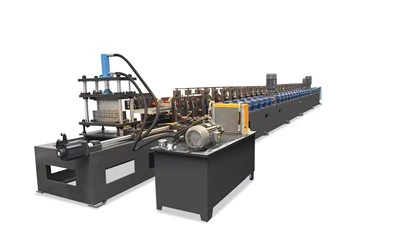
Installing aluminum formwork machinery correctly is crucial for ensuring its efficient operation and long – term performance. As an aluminum formwork machinery supplier, I’ve seen firsthand how a proper installation can make or break a project. In this blog, I’m gonna walk you through the key steps and factors to consider when you’re setting up this kind of machinery. Aluminum Formwork Machinery
Pre – installation Precautions
Before you even think about getting the machinery up and running, there are a few things you need to take care of. First off, you’ve got to pick the right location. The area where you’ll install the aluminum formwork machinery should be flat and stable. A wobbly surface can cause all sorts of problems during operation and might even damage the equipment. You don’t want that hassle, do you?
Check for sufficient space around the machinery. This is important not just for the installation process but also for future maintenance and repairs. You need room to move around, access different parts of the machine, and if necessary, bring in additional tools. If the space is too cramped, it’ll be a nightmare when something goes wrong.
Make sure the power supply in the installation area meets the requirements of the machinery. Aluminum formwork machinery usually needs a specific voltage and amperage. Using an improper power supply can not only damage the machine but also pose a safety hazard. So, it’s always a good idea to have an electrician check the power setup beforehand.
Unpacking and Inspection
Once you’ve sorted out the location and power supply, it’s time to unpack the machinery. Be careful when you’re doing this. The parts are often heavy and delicate, and you don’t want to accidentally drop or damage anything. As you’re unpacking, take the time to inspect each component. Look for any signs of damage, like dents, scratches, or missing parts. If you find anything, make sure to contact us right away.
Check the manuals and documentation that come with the machinery. These are your guides to a successful installation. They’ll tell you what tools you need, the sequence of installation, and any special instructions. Don’t just toss them aside thinking you’ll figure it out on your own. Trust me, they’re there for a reason.
Assembly of the Machinery
Now, let’s get into the actual assembly. The first step is to assemble the base of the aluminum formwork machinery. This provides a stable foundation for the rest of the equipment. Follow the instructions in the manual carefully. Make sure all the bolts and nuts are tightened properly. A loose base can lead to vibrations and misalignments during operation.
Next, start attaching the main body of the machinery to the base. This is usually a bit more complex, as there are multiple parts that need to fit together just right. Use the alignment marks on the parts to ensure everything is in the correct position. If you’re having trouble getting a part to fit, don’t force it. Double – check the instructions and make sure you haven’t missed a step.
After the main body is attached, it’s time to install the various components like motors, conveyors, and control panels. These parts are the heart and soul of the machinery. Connect the electrical wiring according to the wiring diagram in the manual. Incorrect wiring can cause short – circuits and other problems, so it’s really important to get this right.
Alignment and Calibration
Once the machinery is assembled, you need to make sure it’s properly aligned and calibrated. Alignment is crucial for the smooth operation of the aluminum formwork machinery. Use precision measuring tools to check the alignment of different parts, such as the cutting blades and the conveyor belts. If the alignment is off, the quality of the aluminum formwork produced will be affected.
Calibration is also essential. You need to set the right parameters for the machinery, like the speed of the motors, the cutting depth, and the pressure. These settings will depend on the type of aluminum formwork you’re going to produce. The manual should have guidelines on how to calibrate the machinery for different applications. Take your time with this step, as getting the calibration right will ensure high – quality production.
Testing and Commissioning
After alignment and calibration, it’s time to test the machinery. Start with a low – speed test. This allows you to check if all the parts are moving smoothly and if there are any abnormal noises. Listen carefully for any rattling or grinding sounds. If you hear something strange, stop the machinery immediately and investigate the cause.
Once the low – speed test is successful, you can gradually increase the speed and start running some trial productions. Examine the aluminum formwork produced during the trial runs. Check for any defects, like uneven cuts or improper shaping. If you find any issues, go back and adjust the settings or alignment as needed.
When the trial runs are successful and the machinery is producing high – quality aluminum formwork, it’s time for commissioning. This is essentially the official hand – over of the machinery for full – scale production. Make sure all the operators are trained on how to use the equipment properly. Provide them with the necessary safety training as well.
Safety Considerations
Throughout the installation process, safety should always be your top priority. Make sure all the safety guards are in place before you start the machinery. These guards are designed to protect you from moving parts and flying debris. Don’t be tempted to remove them just to get a better look at what’s going on.
Wear appropriate personal protective equipment (PPE), like gloves, safety glasses, and earplugs. These items can prevent injuries from cuts, flying objects, and loud noises. Also, make sure the installation area is well – ventilated, especially if the machinery generates any fumes or dust during operation.

Finally, have a fire extinguisher and a first – aid kit nearby. Accidents can happen, and it’s better to be prepared. Make sure all the operators know where these safety items are located and how to use them.
Other Supporting Equipment If you’re in the market for aluminum formwork machinery or have any questions about the installation process, don’t hesitate to reach out. We’re here to help you every step of the way. Whether you need advice on choosing the right machinery for your project or assistance with installation, our team of experts is ready to support you. Get in touch with us to start discussing your needs and explore how our aluminum formwork machinery can benefit your business.
References
- Industry – standard manuals for aluminum formwork machinery installation.
- Personal experience from years of supplying and installing aluminum formwork machinery.
Foshan Yilaite Machinery Equipment Co., Ltd.
Foshan Yilaite Machinery Equipment Co., Ltd. is one of the most reliable aluminum formwork machinery manufacturers and suppliers in China, featured by quality products and good service. Please rest assured to buy CE approved aluminum formwork machinery from our factory. We also accept customized orders.
Address: No.28, Guangyun Road, Shishan Town, Nanhai District, Foshan City (next to Gaobian Bus Station)
E-mail: Myway18@163.com
WebSite: https://www.yilaitemachine.com/
