Vibration is a crucial factor to consider when dealing with water well drilling rigs. As a water well drilling rig supplier, I have witnessed firsthand how the vibration levels of these machines can impact their performance, efficiency, and overall safety. In this blog post, I will delve into the details of vibration levels in water well drilling rigs, explaining what they are, why they matter, and how we, as a supplier, manage these vibrations to provide the best equipment for our clients. Water Well Drilling Rig
Understanding Vibration in Water Well Drilling Rigs
Vibration in a water well drilling rig refers to the oscillatory motion or mechanical shock that occurs during the drilling process. These vibrations are generated by various components of the rig, such as the drill bit, the motor, and the hydraulic system. The drill bit, in particular, is a major source of vibration as it cuts through different rock and soil layers. The motor’s rotation and the hydraulic system’s operation also contribute to the overall vibration levels.
There are two main types of vibrations in drilling rigs: axial vibrations and lateral vibrations. Axial vibrations occur along the axis of the drill string and are mainly caused by the drill bit interacting with the formation. These vibrations can cause the drill bit to bounce up and down, leading to uneven wear and potentially reducing the drilling efficiency. Lateral vibrations, on the other hand, occur perpendicular to the drill string axis. They are often the result of uneven loading on the drill bit or the bending of the drill string. Lateral vibrations can cause the drill string to hit the wellbore wall, leading to damage to the drill string and the wellbore.
Why Vibration Levels Matter
The vibration levels of a water well drilling rig are not just technical details; they have significant implications for the entire drilling operation.
First and foremost, excessive vibration can lead to equipment damage. The constant shaking can cause wear and tear on the drill bit, drill string, and other components of the rig. For example, high axial vibrations can cause the drill bit to wear out prematurely, reducing its cutting efficiency and increasing the frequency of bit replacements. Lateral vibrations can cause the drill string to fatigue and potentially break, which is a costly and time – consuming problem to fix.
Secondly, vibration affects the quality of the wellbore. Excessive vibration can cause the wellbore to become irregular, with rough walls and inconsistent diameters. This can make it difficult to install the casing and other well components properly, leading to potential leakage and other well integrity issues.
In addition, vibration can also impact the safety of the drilling operation. High vibration levels can make the rig unstable, increasing the risk of accidents such as the rig toppling over. Operator comfort is also affected by excessive vibration, which can lead to fatigue and reduced concentration, further increasing the safety risk.
Measuring Vibration Levels
To manage and control vibration levels, it is essential to measure them accurately. There are several methods for measuring the vibration of a water well drilling rig. One common method is to use accelerometers. These devices are placed at various points on the rig, such as on the drill head, the drill string, and the rig frame. Accelerometers measure the acceleration of the vibrations, which can then be used to calculate the displacement, velocity, and frequency of the vibrations.
The frequency of the vibrations is an important parameter to consider. Different frequencies can have different effects on the rig and the drilling operation. For example, low – frequency vibrations may cause the rig to sway, while high – frequency vibrations can cause more localized damage to the components.
The ISO 2631 standard is often used as a reference for measuring and evaluating vibration levels in machinery, including water well drilling rigs. This standard provides guidelines on acceptable vibration levels for different types of equipment and operating conditions. By adhering to these standards, we can ensure that our drilling rigs are safe and reliable.
Factors Affecting Vibration Levels
Several factors can influence the vibration levels of a water well drilling rig.
The type of formation being drilled is a significant factor. Harder formations, such as granite or limestone, require more force to drill through, which can result in higher vibration levels. Soft formations, on the other hand, may cause less vibration but can still pose challenges if the drill bit loses contact with the formation, leading to sudden changes in vibration.
The drill bit design also plays a crucial role. A poorly designed drill bit may not cut through the formation smoothly, causing uneven forces and increased vibration. For example, a drill bit with dull or worn – out teeth will require more force to cut, leading to higher vibration levels.
The operating parameters of the rig, such as the rotational speed of the drill string and the weight on the bit, can also affect vibration levels. Higher rotational speeds and heavier weights on the bit generally result in higher vibration levels. Therefore, it is important to optimize these parameters for each specific drilling operation.
Managing Vibration Levels in Our Water Well Drilling Rigs
As a water well drilling rig supplier, we take vibration management very seriously. We have implemented several strategies to minimize the vibration levels of our rigs.
First, we design our drill bits with advanced technology to ensure smooth and efficient cutting. Our engineers use computer – aided design (CAD) and finite element analysis (FEA) to optimize the shape and geometry of the drill bits, reducing the forces that cause vibration.
In addition, we incorporate vibration – damping materials and components into our rigs. These materials absorb and dissipate the energy from the vibrations, reducing their amplitude. For example, we use rubber mounts and shock absorbers in critical areas of the rig to isolate the components from the vibrations.
We also provide our clients with training on proper operating procedures. By educating the operators on how to adjust the rotational speed, weight on the bit, and other operating parameters, we can help them minimize vibration levels during the drilling process.
Regular maintenance and inspection of the rigs are also essential for vibration management. We recommend that our clients conduct routine checks on the drill bits, drill string, and other components to ensure that they are in good condition. Any worn – out or damaged parts should be replaced promptly to prevent increased vibration levels.
The Benefits of Our Low – Vibration Drilling Rigs
Our efforts to manage vibration levels in our water well drilling rigs bring several benefits to our clients.
Firstly, our low – vibration rigs have a longer lifespan. By reducing the wear and tear on the components, we can increase the reliability and durability of the rigs, saving our clients money on maintenance and replacement costs.
Secondly, the low – vibration design ensures a higher quality wellbore. With smoother and more consistent wellbores, our clients can install the casing and other well components more easily, improving the overall well integrity.
Finally, our low – vibration rigs provide a safer and more comfortable working environment for the operators. Reduced vibration levels mean less fatigue and better concentration, reducing the risk of accidents.
Conclusion
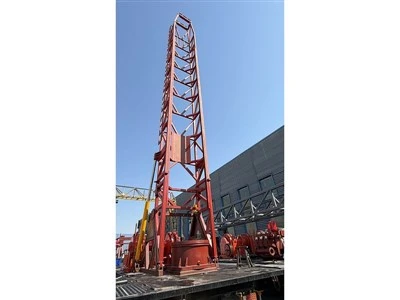
In conclusion, understanding and managing the vibration levels of water well drilling rigs are crucial for the success of any drilling operation. As a water well drilling rig supplier, we are committed to providing our clients with high – quality, low – vibration rigs. Our advanced design, use of vibration – damping materials, and comprehensive training and maintenance services ensure that our rigs perform at their best, while minimizing the risks associated with excessive vibration.
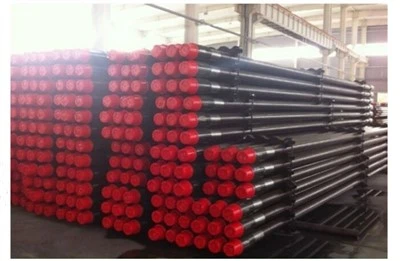
Water Well Drill Pipe If you are in the market for a water well drilling rig and are interested in learning more about our low – vibration solutions, we encourage you to contact us for a detailed discussion. We are ready to work with you to find the best drilling rig for your specific needs.
References
- ISO 2631 – 1:1997, Mechanical vibration and shock — Evaluation of human exposure to whole – body vibration — Part 1: General requirements.
- API RP 7G, Recommended Practice for Drilling Equipment Checking for Oil and Gas Well Drilling.
- Obert, L., & Duvall, W. I. (1967). Rock mechanics and the design of underground openings. Wiley.
Hebei Zhongxin Machinery Equipment Co., Ltd.
As one of the most experienced water well drilling rig manufacturers in China, we also support customized service. We warmly welcome you to buy high quality water well drilling rig for sale here from our factory. If you have any enquiry about pricelist, please feel free to email us.
Address: Wangxizhang Industrial Zone, Zhao County, Shijiazhuang City, Hebei Province, China
E-mail: zxnjbzg@163.com
WebSite: https://www.hbzxdrilling.com/
