In the fast – paced world of manufacturing and packaging, an efficient labeling process is crucial for businesses to maintain competitiveness. As a reputable supplier of automatic labeling machines, I’ve witnessed firsthand how these devices can revolutionize the labeling workflow. In this blog, I’ll share insights on how to optimize the labeling process using automatic labeling machines. Automatic Labeling Machines
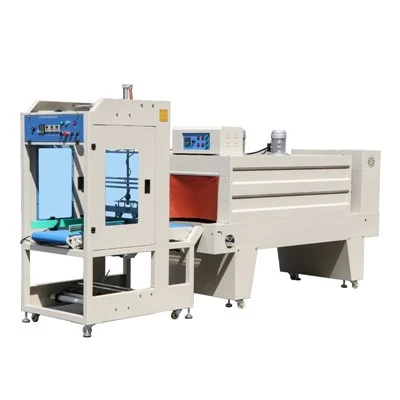
Understanding the Basics of Automatic Labeling Machines
Before diving into optimization techniques, it’s important to understand what automatic labeling machines are and how they work. Automatic labeling machines are designed to apply labels onto products in a consistent, accurate, and high – speed manner. They come in various types, such as wraparound labelers, front and back labelers, top and bottom labelers, etc., each tailored to specific product shapes and label application requirements.
These machines use advanced technology, including sensors, motors, and control systems, to precisely position and dispense labels. For example, optical sensors can detect the presence and position of products on a conveyor belt, ensuring that labels are applied at the correct location. stepper motors provide smooth and accurate label feed, reducing the risk of misaligned or wrinkled labels.
Selecting the Right Automatic Labeling Machine
The first step in optimizing the labeling process is to choose the right machine for your specific needs. Consider the following factors:
- Product Type and Size
- Different products have different shapes (e.g., round bottles, square boxes, irregular – shaped items) and sizes. Ensure that the machine you select can handle the dimensions and geometry of your products. For instance, if you’re labeling cylindrical bottles, a wraparound labeler would be a suitable choice.
- Label Specifications
- The type of label (e.g., paper, plastic, foil), label size, and adhesive properties all play a role in machine selection. Some machines are better suited for handling thin, delicate labels, while others can manage thicker, more rigid ones. Also, consider the label’s adhesive strength, as it can affect the application process.
- Production Volume
- High – volume production requires a machine with a fast labeling speed and reliable performance. Look for machines with adjustable speed settings and a high throughput capacity. On the other hand, if your production volume is low, a more compact and cost – effective machine may be sufficient.
Preparing the Products and Labels
Proper preparation of products and labels is essential for an optimized labeling process.
Product Preparation
- Cleanliness: Ensure that the surface of the products is clean and free from dust, grease, or debris. Dirty surfaces can prevent the labels from adhering properly. You can use cleaning agents or air blowers to clean the product surfaces before labeling.
- Alignment: Make sure the products are properly aligned on the conveyor belt or in the labeling station. Misaligned products can lead to crooked labels or inaccurate label application. Some machines come with built – in alignment mechanisms, but it’s still important to double – check the product positioning.
Label Preparation
- Quality Control: Inspect the labels for any defects, such as misprints, scratches, or uneven cuts. Faulty labels can cause issues during the labeling process, such as jams or poor adhesion.
- Label Placement: When loading the labels into the machine, ensure that they are correctly positioned and fed into the machine’s label dispenser. Improper label placement can lead to label feeding problems and inconsistent label application.
Optimizing Machine Settings
Once you’ve selected the right machine and prepared the products and labels, it’s time to optimize the machine settings.
Label Application Speed
- Start with a moderate speed and gradually increase it as you monitor the quality of label application. If the speed is too high, the labels may not adhere properly or may be misaligned. If it’s too low, it can slow down the production process and increase costs.
Label Tension - Adjust the label tension to ensure smooth label feeding. Too much tension can cause the labels to tear, while too little tension can result in wrinkled or misaligned labels. Most automatic labeling machines have adjustable tensioning mechanisms that allow you to fine – tune the label tension.
Label Positioning - Calibrate the machine to ensure accurate label positioning on the products. This may involve adjusting the height, depth, and angle of the label applicator. Use test runs and measurement tools to verify the label placement accuracy.
Regular Maintenance and Troubleshooting
To keep the labeling process running smoothly, regular maintenance of the automatic labeling machine is crucial.
Routine Maintenance
- Cleaning: Regularly clean the machine to remove dust, label residue, and other contaminants. This can prevent malfunctions and extend the lifespan of the machine. Pay special attention to the label dispenser, sensors, and drive mechanisms.
- Lubrication: Lubricate the moving parts of the machine as recommended by the manufacturer. Proper lubrication reduces friction and wear, ensuring smooth operation.
- Component Inspection: Periodically inspect the machine’s components, such as belts, motors, and sensors, for signs of wear or damage. Replace any worn – out parts promptly to avoid breakdowns.
Troubleshooting
- When problems occur, such as label jams, misaligned labels, or machine malfunctions, it’s important to be able to troubleshoot effectively. Refer to the machine’s user manual for troubleshooting guides and contact the manufacturer’s technical support if needed. Training your operators on basic troubleshooting techniques can also minimize downtime.
Employee Training
Well – trained employees are key to optimizing the labeling process. Provide comprehensive training to your operators on how to operate the automatic labeling machine safely and efficiently.
- Machine Operation: Teach the operators how to start, stop, and adjust the machine settings. They should also be familiar with the machine’s control panel and how to use its various functions.
- Safety Procedures: Emphasize the importance of safety when operating the machine. Train the operators on how to use personal protective equipment (PPE), such as gloves and safety glasses, and how to avoid potential hazards, such as moving parts and electrical hazards.
- Quality Control: Train the operators to inspect the labeled products for quality. They should be able to identify and correct any issues, such as misaligned labels or poor adhesion, during the production process.
Monitoring and Continuous Improvement
Finally, monitor the labeling process on an ongoing basis and look for opportunities for continuous improvement.
- Key Performance Indicators (KPIs): Define KPIs such as label accuracy, label application speed, and production efficiency. Regularly measure these KPIs and track them over time to identify trends and areas for improvement.
- Feedback Collection: Encourage feedback from your operators, quality control personnel, and customers. They may have valuable insights on how to improve the labeling process, such assuggesting changes to the label design or machine settings.
- Process Innovation: Stay updated on the latest technologies and industry best practices in labeling. Consider implementing new features or upgrading your machine to improve the labeling process further.
In conclusion, optimizing the labeling process using automatic labeling machines requires a comprehensive approach. By selecting the right machine, preparing the products and labels properly, optimizing machine settings, performing regular maintenance, training employees, and monitoring for continuous improvement, businesses can achieve a more efficient, accurate, and cost – effective labeling process.
If you’re interested in learning more about how our automatic labeling machines can help you optimize your labeling process, or if you’re ready to discuss a potential purchase, please reach out. Our team of experts is eager to assist you in finding the perfect solution for your business needs.
Automatic Labeling Machines References
- Industry – standard labeling machine operation and maintenance guides
- Academic research on optimization of manufacturing processes
- Case studies from successful implementations of automatic labeling machines in various industries
Langfang Huanqi Machinery Equipment Co., Ltd.
As one of the most professional automatic labeling machines manufacturers and suppliers in China, we also support customized service. Please feel free to buy advanced automatic labeling machines for sale here from our factory. Quality products and reasonable price are available.
Address: No. 40, Row 11, North Side of Central Street, Wangpeizhuang Village, Pingshu Town, Dacheng County, Langfang City, Hebei Province
E-mail: huanqijixie@outlook.com
WebSite: https://www.huanqiwrap.com/
