Hey there! I’m a supplier of SCSI cables, and I’ve been dealing with these things for ages. SCSI cables are super important in a lot of computer systems, but sometimes, they don’t perform as well as we’d like. So, I’m gonna share some tips on how to optimize the performance of a SCSI cable. SCSI Cable

First off, let’s talk about quality. You might think all SCSI cables are the same, but that’s far from the truth. A high – quality SCSI cable is gonna make a world of difference. When I’m sourcing materials for our cables, I always go for the best. The conductors inside the cable should be made of high – grade copper. Copper is a great conductor of electricity, and a higher grade means less resistance. Less resistance means that the electrical signals can travel through the cable more easily, which in turn improves the overall performance.
Another thing about quality is the insulation. The insulation around the conductors protects them from interference. You want a cable with good insulation material. We use a special type of plastic insulation that’s not only durable but also provides excellent shielding against electromagnetic interference (EMI). EMI can mess up the signals in the SCSI cable, causing data errors or a slowdown in performance. So, make sure the insulation is thick enough and made of the right stuff.
Now, let’s get into the length of the cable. The length of a SCSI cable can have a big impact on its performance. In general, shorter is better. When a signal travels through a cable, it loses some of its strength over distance. This is called attenuation. The longer the cable, the more attenuation there is. So, if you can, try to keep the cable as short as possible. Of course, I know sometimes you need a longer cable to reach different components in your system. In that case, you might want to consider using a SCSI extender or a repeater. These devices can boost the signal and help it travel further without losing too much strength.
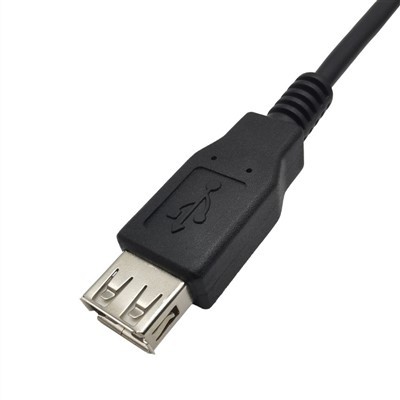
Connectors are also crucial. A SCSI cable is only as good as its connectors. The connectors need to fit snugly into the SCSI devices. If they’re loose, it can lead to signal loss. When we make our cables, we pay a lot of attention to the connectors. We make sure they’re made of high – quality metal and have a good surface finish. This helps to ensure a good electrical connection. Also, keep the connectors clean. Dust and dirt can build up on the connectors over time, which can interfere with the signal. You can use a small brush or compressed air to clean them.
Proper termination is another key factor. SCSI cables need to be terminated correctly at both ends. Termination helps to prevent signal reflections. Signal reflections can cause all sorts of problems, like data corruption and a decrease in performance. There are different types of termination for SCSI cables, such as passive and active termination. Make sure you use the right type of termination for your specific SCSI system. If you’re not sure, you can always consult the manufacturer’s documentation.
Let’s talk about cable routing. How you route the SCSI cable can affect its performance. Try to keep the cable away from other sources of electromagnetic interference, like power cables or large motors. If possible, route the SCSI cable in a separate channel or conduit. You also want to avoid sharp bends in the cable. Sharp bends can damage the internal conductors and insulation, which can lead to performance issues. A gentle curve is fine, but try to keep the bend radius at least a few times the diameter of the cable.
I also recommend testing the cable regularly. You can use a SCSI diagnostic tool to check the cable for any problems. These tools can detect things like signal errors, attenuation, and connectivity issues. If you find any problems, you can either repair the cable or replace it. Regular testing can help you catch issues early on and prevent them from causing serious problems in your system.
Now, if you want to optimize the performance of your SCSI cables even further, you might want to consider using some of our products. We’ve been in the SCSI cable business for a long time, and we know how to make high – quality cables that perform well. Our cables are made with the best materials, have excellent connectors, and are properly terminated. We also offer a wide range of cable lengths and types to meet your specific needs.
If you’re interested in learning more about our SCSI cables or if you want to discuss a potential purchase, don’t hesitate to reach out. We’re always happy to talk to customers and help them find the right solutions for their systems. Whether you’re a small business or a large enterprise, we can provide you with the SCSI cables you need to keep your systems running smoothly.
In conclusion, optimizing the performance of a SCSI cable involves a combination of factors, including using high – quality materials, keeping the cable short, ensuring proper termination, paying attention to connectors and cable routing, and regular testing. By following these tips, you can get the most out of your SCSI cable and avoid performance issues. And remember, if you need any SCSI cables, we’re here to help.
IEEE1394 Cable References
- Computer Hardware Handbook: A Comprehensive Guide to SCSI Technology
- SCSI Cable Installation and Maintenance Manuals from Industry Leaders
Karobert Technology LLC Karobert Trading PTE. LTD.
We’re known as one of the most professional scsi cable manufacturers and suppliers in China, also support customized service. Please feel free to buy high quality scsi cable made in China here from our factory. For price consultation, contact us.
Address: 6250 S 196th St, Kent, WA, 98055, USA.
E-mail: karl@karobert-us.com
WebSite: https://www.karobert-us.com/
